
REVIEW · GETTYSBURG GHOST TOURS
Ghosts of Gettysburg Ultimate Dead of Night Haunted Ghost Tour
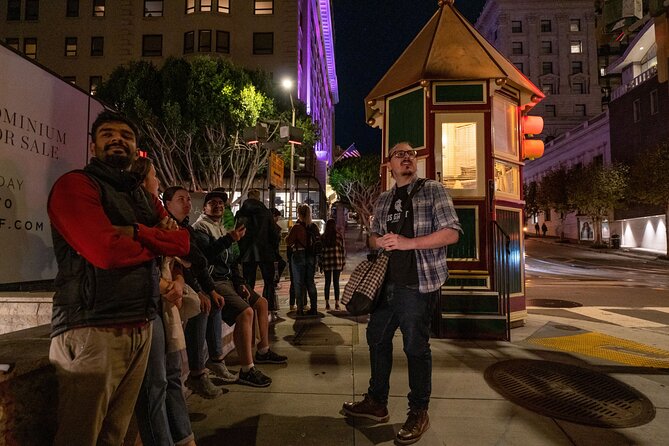
Gettysburg’s ghosts are tied to very real suffering. On this 9 p.m. walking tour, you move through streets where homes became hospitals, Confederate snipers occupied private houses, and frightened civilians hid while soldiers fought outside. The ghost stories work best when they grow from those hard facts.
I like the mix of Civil War history and local hauntings, and I like the small group limit of 20 people. Guides such as Amber, Daniel, Jim, Taylor, and Richard have earned strong praise for clear storytelling and solid knowledge of the town. The main drawback is guide-to-guide variation: some tours feel focused and complete, while others have been slow, distracted, or shorter than expected.
Key points before you book
- A one-hour route through Gettysburg’s haunted past: Expect a brisk outdoor walk with stops at former hospitals, homes, an old jail, and historic inns.
- The 9 p.m. start adds atmosphere: Dark streets and quieter surroundings suit the subject, but bring warm clothing in cold weather.
- The history comes first: You will hear how the battle affected civilians, prisoners, wounded soldiers, and local families.
- No indoor investigation: The tour visits the outside of historic buildings. You should not expect to enter homes, hotels, or former hospitals.
- Guide quality matters: Amber, Daniel, Jim, Taylor, Richard, Silver, and others have received especially warm praise, but the experience can vary.
- Good value for a first ghost tour: At $37, it is reasonably priced if you want a guided introduction rather than paranormal equipment or private access.
Why Gettysburg makes a strong ghost-tour setting
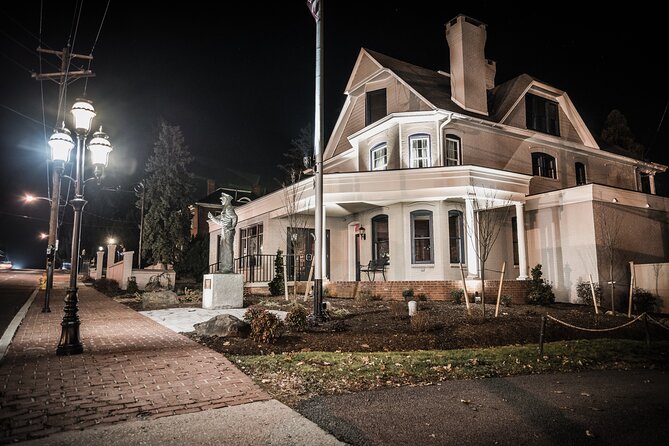
Gettysburg does not need much help creating an eerie mood. The town’s streets still contain homes, inns, churches, and public buildings that were pulled into the Battle of Gettysburg. During and after the fighting, large buildings became hospitals, private houses sheltered families and soldiers, and ordinary residents lived through scenes that would mark a place for generations.
That gives this tour a useful balance. You are not simply being led from one spooky address to another. At each stop, the guide connects a reported haunting to a building’s wartime use or to a personal story from the battle. I find that approach more satisfying than a string of ghost claims with no setting or context.
The tour begins at 452 Baltimore Street, at 9 p.m., and ends there. It lasts about an hour, although one reported outing ran more than 20 minutes over, while another felt as if it covered only about five locations. That inconsistency is worth keeping in mind. A strong guide can make the hour feel full and purposeful. A less organized one may make the route feel scattered.
More evening tours in Gettysburg:
- Spirits of Jennie Wade Ghost Night Tour in Gettysburg
★ 5.0 · 310 reviews - Gettysburg: Beginner’s Evening Paranormal Investigation Tour
★ 4.7 · 67 reviews - Gettysburg: Ultimate Dead of Night Haunted Ghost Tour
★ 4.4 · 33 reviews
The first stops: snipers, Lincoln, and a witness tree
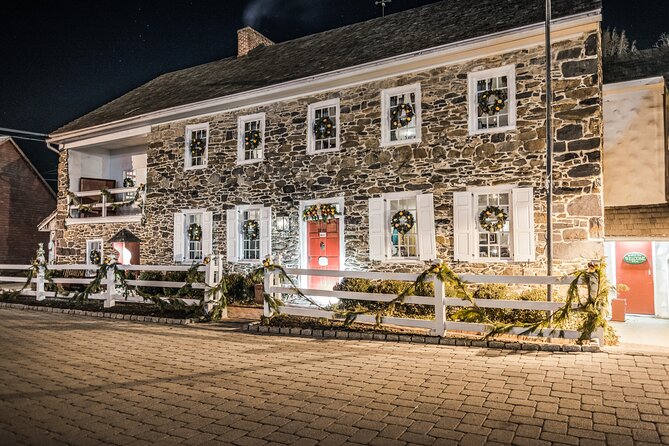
The opening stop is an inn that was once known as the Welty House. During the battle, Confederate snipers used the building, giving the guide an immediate way to explain how combat reached right into town. The reported supernatural activity here comes from later experiences connected with the inn.
This is a good opening subject because it joins the town’s military past to its modern ghost lore. You get a sense that these are not isolated battlefield tales. The fighting affected private buildings and the people who lived in them.
The route then reaches a Witness Tree, a tree associated with important historic events. This one was present during the battle and during Abraham Lincoln’s visit to deliver the Gettysburg Address. There is no particular ghost tale attached to the tree, and that is part of its value. It gives the walk a pause from the paranormal material and places you near one of the most important moments in American history.
If you are coming mainly for ghost stories, this stop may feel less dramatic. If you care about Gettysburg itself, it adds useful context and keeps the tour from becoming pure entertainment.
Homes that held soldiers and hidden families
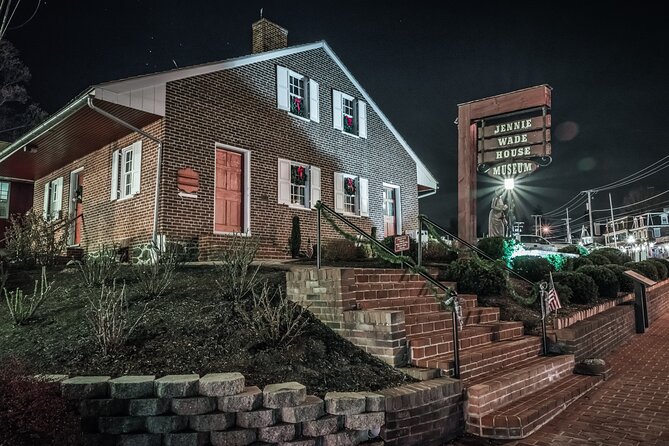
Another house on the route also sheltered Confederate snipers. The owner later brought in a psychic after having an unsettling experience, and the resulting stories focus on the presence believed to remain there.
You should treat this material as local tradition, not documented fact. The tour’s appeal is in hearing how a building’s wartime role shaped later stories, not in expecting proof of a spirit. The guide’s ability to explain that connection clearly makes a large difference.
One of the more personal stops concerns a homeowner who sent his wife and children away, then hid in the cellar while Union and Confederate soldiers fought above him. Visitors have reported urgent whispers at the property when nobody else was present. The story is effective because it begins with a plain human choice: protect your family, then find somewhere to survive.
That stop also shows why comfortable shoes matter. You are walking from address to address rather than standing in one place for a long presentation. Most stops are close enough for a moderate walk, but the route still involves being on your feet at night.
The old jail and the cost of wartime disorder
The municipal and police building once served as the county jail. Records describe the deaths of three prisoners during the battle period, including two executions and one suicide. The haunting connected with the building is said to involve at least one spirit that remains there.
This is one of the more somber stops. It moves away from the familiar image of a wounded soldier and reminds you that war disrupts law, confinement, and public order as well as armies. The story may appeal to you if you prefer darker material, but it can feel heavy compared with the more playful accounts later in the walk.
The guide’s delivery matters here. A thoughtful presentation can give the victims proper weight. A rushed or theatrical approach could make the stop feel less respectful. Several guides have been praised for presenting the history carefully, while one critical account described a guide as unfocused and disconnected from the ghost-tour theme.
A few more ghost walks around Gettysburg worth a look
- Civil War Ghosts: Echoes of the Fallen Gettysburg Ghost Tour
★ 4.5 · 913 reviews - Echoes of War All Ages Ghost Tour
★ 5.0 · 658 reviews - Gettysburg: Ghost Hunt Tour with Ghost Hunting Equipment
★ 4.5 · 589 reviews - Civil War Ghosts: Echoes of the Fallen Gettysburg Ghost Tour
★ 4.3 · 480 reviews
Former hospitals where the past feels closest
One building was constructed only four years before the battle and was turned into a hospital during and after the fighting. Seats were removed so the interior could become an operating room, with surgeons working in front of other soldiers.
You cannot go inside on this tour, but hearing what happened within those walls can still be powerful. The building’s design and wartime use explain why people associate it with lingering impressions. The story also gives you a clearer picture of battlefield medicine than a general account of the fighting would.
Another large building was also converted into a hospital. The spirit associated with it is said to be a soldier who looks for an exit but never finds his way home. It is a simple story, but it fits the setting well. A hospital filled with wounded men, many unable to leave, naturally becomes the basis for tales about someone still searching for a way out.
The Dobbin House Tavern is another important reference point in the tour’s hospital stories. Like other large buildings in Gettysburg, it served as a hospital during the battle. You should expect to hear about its wartime use from outside rather than tour its rooms.
This is where the experience is strongest for history buffs. The ghost stories give you a reason to notice buildings you might otherwise pass without a second thought, while the historical details give the stories some weight.
The haunted hotel and the friendly spirit called George
A historic hotel on the route also served as a wartime hospital. One guest later reported a frightening experience there, and the guide uses that account to explore the hotel’s haunting.
Hotels are useful ghost-tour settings because they combine a public building with private rooms and years of changing occupants. Still, do not book this walk expecting access to hotel interiors. The experience remains an outdoor storytelling tour.
Another location is linked to a playful spirit known as George. These reports are more recent, and nobody knows why the activity supposedly began. This lighter story helps vary the mood after the jail and hospital accounts.
I like that the route does not force every ghost into the same mold. Some stories involve fear, some involve sadness, and George is described as mischievous. That range makes the hour easier to enjoy as a group, especially if not everyone in your party is equally interested in serious paranormal material.
Trading with the enemy and stories of lost spoils
At one house, Union and Confederate soldiers reportedly traded with one another during pauses in the battle. The trades were not harmless souvenirs for everyone involved. Some soldiers never returned after going off with their goods, and their stories are part of the haunting connected with the home.
This stop gives you a glimpse of the strange pauses that can occur even during a battle. Enemies could be close enough to exchange items, yet the surrounding danger remained very real. It is an unusual detail, and it helps the tour avoid repeating only hospital stories.
You may find this kind of stop more interesting than a standard haunted-house tale because it shows the odd, improvised behavior of soldiers under pressure. Again, the guide needs to keep the story moving. One account described a guide who wandered off topic and added side conversations, causing the group to backtrack and remain outside in the cold longer than planned.
The Underground Railroad house and the children’s stories
The final house described on the route was among the first stops on the Underground Railroad and later served as a hospital during the war. The reported spirits here are, unusually, children.
That combination gives the stop several layers of American history without needing sensational treatment. The Underground Railroad connection points to the long struggle over slavery and freedom. The hospital connection brings the Civil War directly into the building. The children’s stories add an unsettling contrast to the site’s serious historical role.
For you, this may be one of the most memorable stops because it broadens the tour beyond battlefield ghosts. It also shows why a guide who can explain dates, people, and local context is more useful than someone who relies only on spooky sound effects.
What the guides do well, and where the experience can slip
Guide quality is the largest variable. Amber has been praised for her warmth, personality, and command of the subject. Daniel is frequently singled out for strong storytelling and a firm grasp of Gettysburg’s past. Jim, Taylor, Richard, Silver, Jack, Linda, Shirley, Jason, and Hannah have also been described as friendly and engaging.
That pattern tells me the company has several guides who can make the walk work well. A good guide keeps the group together, explains the historical setting, and makes each haunting feel connected to the place in front of you.
But you cannot choose your guide with certainty. One outing was criticized because the guide seemed distracted, interrupted stories, held side conversations, and ran well past the expected finish. Another person felt that only five places were covered and that the guide spent too long talking. A separate account felt that not all listed stops were visited.
Those reports do not erase the many positive experiences, but they matter when you are comparing tours. If you want a tightly timed route with a guaranteed number of stops, this may not be your safest choice. If you can accept some variation and care more about a personable guide than a formal performance, the odds are better.
Price, timing, and practical comfort
The price is $37 per person, which is fair for a one-hour guided walk in a historic town. You are paying for a local guide, researched history, and stories tied to specific buildings. You are not paying for transportation, food, drinks, indoor access, or a paranormal investigation with special equipment.
At $37, I would book it as an introduction to Gettysburg after dark. If your group wants a long, theatrical ghost production, the short duration may feel expensive. If you want a compact history walk with a supernatural theme, the price is easier to justify.
The 9 p.m. start is the right choice if atmosphere matters to you. It also means the temperature can drop, and one group ended up uncomfortably cold after the tour ran long. Wear warm layers, comfortable walking shoes, and something suitable for standing outdoors.
Parking deserves care. Do not use the Brickhouse Inn parking area, which is reserved for overnight guests and may result in towing. Street parking is available on the main street and on side streets behind the inn.
The group limit is 20 people. That is small enough for a guide to address the group directly, though the actual feel will depend on how well the guide manages the pace and speaking volume. Service animals are allowed, and the meeting point is near public transportation.
Who should book this Gettysburg ghost walk?
I would recommend it to first-time ghost-tour customers, families with older children, couples looking for a low-key evening activity, and history fans who want more than battlefield facts. The stories are spooky, but the route also teaches you how the battle affected homes, hospitals, prisoners, merchants, and civilians.
It suits you less if you want to enter haunted buildings, use paranormal devices, or conduct a serious investigation. The experience stays outside, and there is no guarantee of seeing a ghost. One person used an EMF app and enjoyed the evening, but paranormal equipment is not part of the basic tour.
The tour can also work for a mixed group. Someone interested in Lincoln and the Civil War can focus on the historical setting, while someone else can listen for whispers, watch for unusual movement, or simply enjoy the night walk.
Should you book it?
Book this tour if you want a short, affordable introduction to haunted Gettysburg and you value the link between ghost stories and Civil War events. Aim for a guide known for strong storytelling if you have that option, and arrive ready to walk outdoors for about an hour.
I would hesitate only if you demand strict timing, a guaranteed full route, or indoor access. The best version of this experience comes from a focused guide such as Amber, Daniel, Jim, Taylor, or Richard. With the right guide, the old homes, former hospitals, jail, and Witness Tree give you a memorable look at Gettysburg after dark.
FAQ
How long is the Ghosts of Gettysburg Ultimate Dead of Night Haunted Ghost Tour?
The tour lasts approximately one hour.
What time does the tour start?
The tour starts at 9 p.m.
Where does the tour meet?
The meeting point is 452 Baltimore Street, Gettysburg, Pennsylvania 17325.
Where does the tour end?
The activity ends back at the meeting point.
How much does the tour cost?
The listed price is $37 per person.
Is the tour conducted in English?
Yes. The tour is offered in English.
Does the tour include transportation, food, or drinks?
No. Transportation, food, and drinks are not included.
Can I enter the historic buildings?
The tour describes historic buildings and visits their locations, but indoor access is not included. You should expect an outdoor walking experience.
How many people can join the tour?
The tour has a maximum of 20 participants.
Just added around Gettysburg
- Gettysburg Ghost Hunt★ 4.5 · 31 reviews
- Spirits Speak Jennie Wade★ 5.0 · 33 reviews
- Haunted Smart Phone App Location Aware Walking Tour in Gettysburg★ 4.5 · 8 reviews
- Jennie Wade Birthplace Ghost Hunt with Equipment in Gettysburg★ 5.0 · 52 reviews
- Historic Jennie Wade Birthplace Ghost Hunt w/ Equipment★ 5.0 · 6 reviews
- Gettysburg Haunted Tour by Bus★ 4.5 · 47 reviews
- Gettysburg Self-Guided Audio Ghost Tour★ 3.5 · 4 reviews
- Gettysburg Haunted Pub Crawl★ 4.0 · 17 reviews
Gettysburg Ghost Tours, compared.
Civil War Ghosts: Echoes of the Fallen Gettysburg Ghost Tour
Read our review →
Civil War Ghosts: Echoes of the Fallen Gettysburg Ghost Tour
Read our review →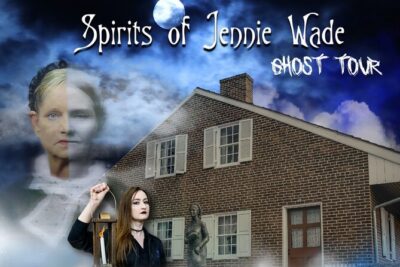
Spirits of Jennie Wade Ghost Night Tour in Gettysburg
Read our review →
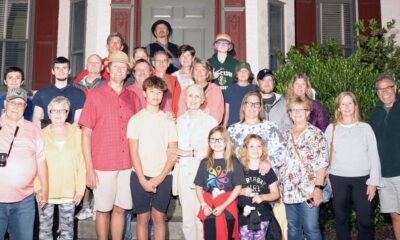
“History and Haunts” Family Friendly Ghost Tour
Read our review →Browse the lists this tour appears in