
REVIEW · NEW YORK CITY GHOST TOURS
Ghost Stories: A Mysterious, Macabre Tour in the Metropolitan Museum
The most interesting thing about this two-hour Met tour is its unusual question: what scares us, and how do artists show fear? Instead of marching through famous paintings in the usual order, you move across Egypt, Europe, and America, linking funerary masks, sculpture, still lifes, and tales of the supernatural.
I like the small maximum of 12 people, which gives the guide a fair chance to hold a real conversation. I also like that the tour ends with free time to explore the museum on your own. The main caution is expectation: this is not a nonstop haunted-house story. One review makes clear that the focus often falls on fear, mythology, and macabre art rather than literal ghosts, and the Met can be noisy.
Key points at a glance
- Fear is the connecting theme: The guide links objects from different cultures to the ways people imagine death, danger, spirits, and the unknown.
- The route crosses several art traditions: Expect Egyptian, American, and European works, including funerary masks, sculpture, still lifes, and the Flying Dutchman.
- The group is capped at 12: That is a useful size for questions and discussion inside a busy museum.
- The tone is suitable for ages 10 and up: It is spooky and macabre, but the format also includes fun, interactive activities.
- You can keep exploring afterward: The guided portion lasts about two hours, then you are free to continue through the Met independently.
- Sound may be the weak point: The museum can be loud, and one participant found it difficult to hear the guide in the group.
A different way to enter the Metropolitan Museum
The Met can be overwhelming. Its galleries cover thousands of years and many regions, so a first visit often becomes a march toward the famous rooms. You see a lot, but the objects may not connect.
This tour gives you a clear thread. The guide asks you to look at art through fear, death, ghosts, and the strange things people create when they try to explain what lies beyond ordinary life. That theme turns the museum into a place of stories rather than a long list of departments.
You should not expect every stop to feature a ghost. The tour can include stories about the supernatural, but its larger subject is the human response to fear. A sculpture may show a threatening figure. A funerary mask may reveal how one culture prepared for death. A still life may hint at the shortness of life through objects that fade, decay, or disappear.
That broader approach is one of the tour’s strengths. It gives you a way to connect art that might otherwise seem unrelated. It also explains why the experience can appeal to someone who likes mythology, art history, Halloween themes, or old stories, even if that person does not usually take museum tours.
More ghost story tours in New York City:
- Prague: Ghost Walking Tour Where Legends Come To Life
★ 4.4 · 5,253 reviews - Prague: Ghosts, Legends, Medieval Underground & Dungeon Tour
★ 4.3 · 5,104 reviews - Budapest: Buda Castle District Vampires and Myths Night Tour
★ 4.6 · 3,830 reviews
The Met as a setting for ghost stories
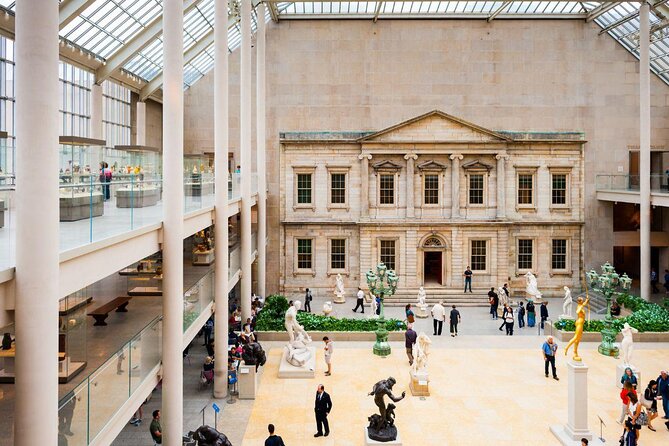
The Metropolitan Museum is a fitting place for a macabre tour because the building holds objects made for tombs, rituals, remembrance, and tales of spirits. You are not visiting a dark attraction with staged effects. You are looking at real works of art and considering the beliefs and fears behind them.
The setting also keeps the experience grounded. Instead of being told that something is frightening and moving on, you can examine the object itself. The guide can point out how a culture pictured death, danger, the afterlife, or creatures from another world.
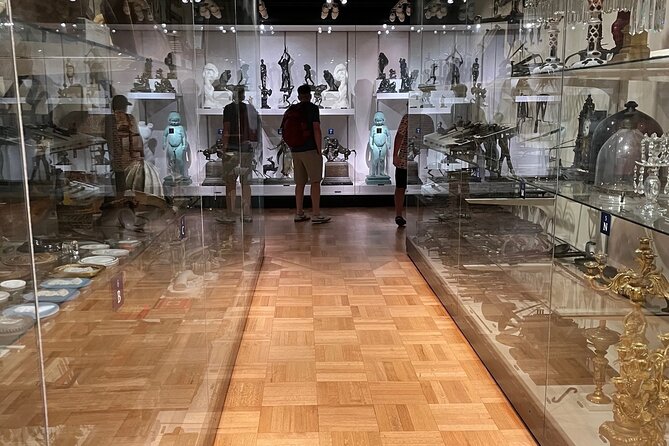
The Flying Dutchman is one of the unusual references connected with the route. That legendary ghost ship has traveled through European folklore for centuries, making it a natural bridge between storytelling and visual art. Funerary masks provide another angle, shifting the focus from wandering spirits to the ways people honor or preserve the dead.
The appeal is not only the subject matter. The museum gives the guide plenty of material for comparison. Egyptian, American, and European works allow you to see that fear is not expressed in one universal style. Some cultures use monsters or spirits. Others turn to symbols, ritual objects, tragic stories, or reminders of mortality.
What happens during the two-hour tour
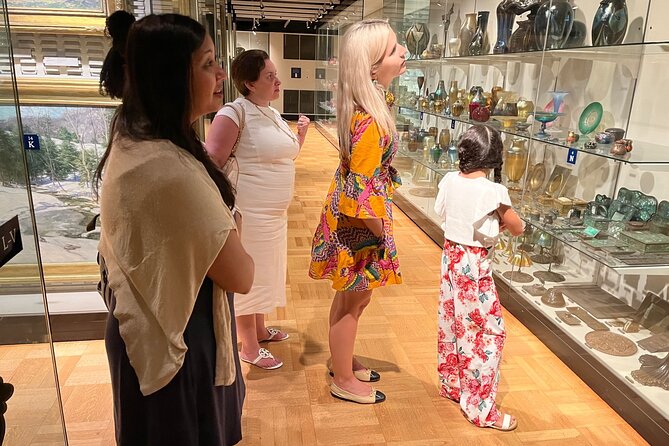
The experience is centered on one stop, the Metropolitan Museum of Art, but the route moves across different collections. The description points to Egyptian, American, and European works, so you should expect a changing sequence rather than one gallery devoted to ghosts.
A typical discussion may begin with an object that seems plainly frightening, then widen into a conversation about why it was made. From there, the guide can connect it to another work from a different culture or period. That is where the tour earns its keep. You are not just hearing isolated facts. You are being asked to notice a shared concern expressed in different forms.
The interactive part matters, especially for families and younger participants. The tour includes fun and spooky activities rather than relying only on a lecture. That can help keep the pace lively inside a museum where standing quietly in front of art for long stretches may test a child’s patience.
The best guide will use the works as prompts for conversation. One participant praised the guide’s careful research and strong command of the subject, while another appreciated the way the experience combined art education, history, and Halloween appeal. Those comments point to the ideal balance: the story should entertain you, but the art should remain central.
Allow about two hours, though the exact timing can vary. The group is limited to 12 people, which is small enough for a more personal exchange than a large museum walk. You may still need to stand close to hear clearly, particularly if other people are talking nearby.
Why the fear theme works
A standard museum visit often asks you to admire beauty. This one asks you to notice unease. That shift can change what you see.
A funerary mask, for instance, is not only an old object with a striking face. It can raise questions about identity, memory, and the wish to preserve a person beyond death. A sculpture can be beautiful and threatening at the same time. A still life can look calm while quietly reminding you that flowers wilt, fruit spoils, and time passes.
The tour’s emphasis on fear also lets you think about your own reaction. One participant found value in considering personal fears through individual encounters with art. That is a useful way to understand the experience. The guide is not simply telling you what to find scary. The tour gives you a framework, then leaves room for your own response.
This is also why the experience may surprise anyone expecting campfire-style ghost tales from beginning to end. The macabre theme is a doorway into art interpretation. If you want a string of dramatic supernatural stories, the tour may feel restrained. If you enjoy asking why an image feels disturbing, it can be much more rewarding.
More haunted museum visits in New York City:
- Medieval Torture Museum with Ghost Hunting and Tiny Art Gallery
★ 5.0 · 2,011 reviews - Medieval Torture Museum Ticket with Audio Guide and Ghost Hunting
★ 5.0 · 962 reviews - London: Jack the Ripper Museum Tickets
★ 4.2 · 894 reviews - Salem Witch Museum Admission Ticket
★ 3.9 · 417 reviews
The good and bad of touring inside a busy museum
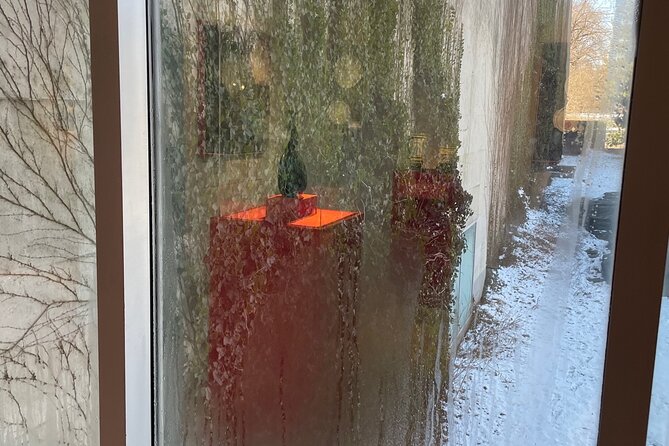
The Met is an active public museum, not a private nighttime set. Other visitors, nearby conversations, and general gallery noise can affect the experience. One participant specifically found the museum very loud and had trouble hearing the guide.
That is the clearest practical weakness. A group of 12 is relatively small, but it is not soundproof. If you have hearing concerns, stay close to the guide and position yourself where you can see the speaker. The supplied details do not mention audio equipment, so you should not assume that a headset is provided.
There is another expectation to settle before booking. The available information does not say that the museum closes for this experience. One participant expected a closed museum and was disappointed. Plan on a regular museum environment, with other people around and normal gallery activity.
Still, the public setting has a benefit. You encounter the works in the place where they belong, alongside the rest of the Met’s collections. The experience feels like a themed museum visit, not a staged attraction. For many people, that is exactly the point.
What you can do after the guided portion
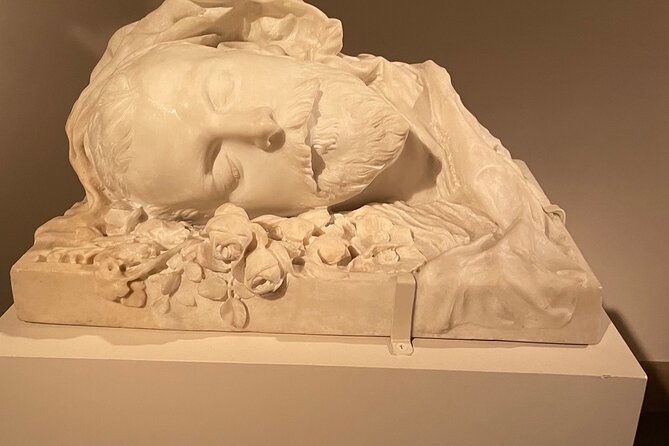
When the two-hour tour ends, you are free to explore the Metropolitan Museum on your own terms. This adds real value because the guided route can introduce you to works or departments you might otherwise miss, while the remaining time lets you follow your own interests.
You might continue with more Egyptian art, seek out European paintings, or simply wander toward the rooms that caught your attention during the tour. The guide’s connections can give you a better starting point. Instead of entering the Met with no plan, you leave the tour with a few themes to pursue.
Do not treat the guided route as a complete museum visit. The Met is too large for that. Think of the tour as a focused introduction, followed by independent time. If you want to see as much as possible, plan your energy carefully. Two hours of listening and walking can be tiring, and the museum offers far more than you can reasonably cover in one day.
The extra time is especially useful for families. Younger visitors get a clear, spooky program first, then adults can decide how long to continue. The activity is aimed at ages 10 and up, so it is not designed for very small children.
Price, group size, and overall value
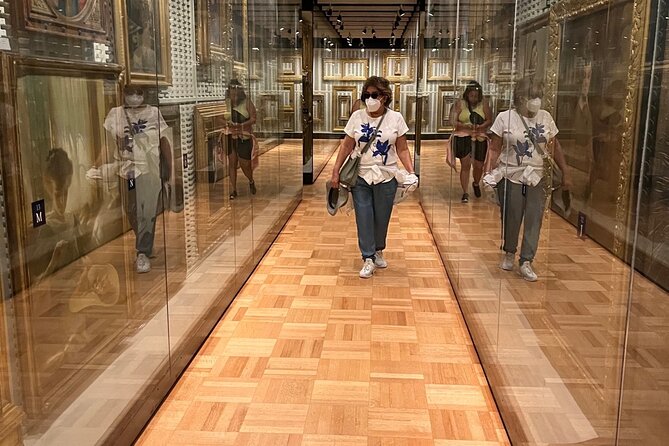
The price is $47.50 per person. That is more than a casual museum stroll, so the value depends on how much structure you want.
You are paying for a themed, guide-led experience rather than just entry to the building. The guide supplies the connections between objects, the stories behind the theme, and the activities that help you look at the art differently. If you would happily spend two hours reading labels and choosing your own route, you may prefer to visit independently.
For someone who wants direction, the price is easier to justify. The Met can be hard to plan, especially on a first visit. A small group and a focused subject can save you from wandering without purpose. The fact that you can continue exploring after the tour also gives the booking more value than a short, self-contained talk.
The tour details list the museum stop as admission ticket free. Since the provided information does not explain the museum’s separate admission arrangements, check the booking terms carefully so you know what the $47.50 covers. Do not assume that every possible museum access cost is handled unless the confirmation makes that clear.
The small group is another reason the price may work for you. With a maximum of 12 people, this is not built around a large crowd. That creates a better chance to ask questions and follow the guide’s line of thought, though museum noise can still make conversation difficult.
Who should book this experience
I would point this tour toward people who enjoy art with a story attached. You do not need to be an art expert. You only need curiosity about ghosts, mythology, death, fear, or the ways different societies picture the unknown.
It is a good match for:
- Families with children aged 10 and up who want a museum visit with a clear theme
- Halloween-season visitors looking for something more thoughtful than a haunted attraction
- First-time Met visitors who prefer a guided introduction
- Repeat visitors who want to see familiar collections from a new angle
- People who enjoy discussion and interpretation more than a fast list of famous objects
I would be more cautious if you want a pure ghost tour. The experience includes ghostly and ghoulish material, but the central subject is fear in art. You may hear fewer literal ghost stories than the title suggests.
It may also be a poor fit if you need a quiet setting for every part of a guided talk. The group is small, but the museum remains public and can be loud.
Practical details before you go
The experience is offered in English and uses a mobile ticket. Confirmation is provided when you book, and service animals are allowed. The Met is near public transportation, which makes the tour fairly easy to reach within New York City.
The activity is listed at about two hours. Give yourself enough time to arrive without rushing, since finding your way through a major museum can take longer than expected. The exact meeting instructions should come from your confirmation.
Free cancellation is available if you cancel at least 24 hours before the start time. Changes or cancellations inside that window are not accepted for a refund. The experience also requires a minimum number of participants, so if the operator cancels for that reason, you receive another date or experience, or a full refund.
The tour is typically booked about 32 days ahead. That does not guarantee that every date sells out, but it is a useful sign that you should not wait until the last minute if your New York schedule is fixed.
Should you book Ghost Stories at the Met?
Book it if you want the Metropolitan Museum presented through fear, mythology, death, and the supernatural, with a guide doing the connecting work for you. The strongest parts are the unusual theme, the cross-cultural route, the small group, and the chance to keep exploring after the guided portion.
Skip it if you expect a constant chain of literal hauntings or a closed, silent museum. The experience is closer to an art-and-story discussion with spooky edges. Noise is a real concern, and the theme may feel too broad if you want only ghost legends.
For the right audience, $47.50 buys more than two hours of facts. It gives you a new way to look at objects that might otherwise blur together in the Met’s enormous collection. That is a fair trade for a first visit, a Halloween outing, or a repeat visit with a fresh purpose.
FAQ
How long does the Ghost Stories tour last?
The tour lasts approximately two hours.
Where does the tour take place?
The tour takes place at the Metropolitan Museum of Art in New York City.
What kinds of art are included?
The experience includes Egyptian, American, and European works. The route may include funerary masks, sculpture, still lifes, and material connected with the Flying Dutchman.
Is this a traditional ghost tour?
Not entirely. The experience includes ghostly and macabre stories, but it also focuses on fear, mythology, death, and how different cultures express frightening ideas through art.
Can I explore the Met after the tour?
Yes. After the guided portion ends, you are free to explore the museum independently.
What age is the tour suitable for?
The experience is designed for scare-seekers aged 10 and up.
What happens if I need to cancel?
You can receive a full refund if you cancel at least 24 hours before the start time. Cancellations or changes made less than 24 hours before the start time are not refunded or accepted.
Just added around New York City
- New York Greenwich Village Speakeasy and Ghost Tour (with pizza!)★ 5.0 · 29 reviews
- West Village Haunted Tour★ 5.0 · 25 reviews
- Haunted Broadway Walking Tour★ 4.0 · 5 reviews
- Greenwich Village Group Haunted Ghost Tour, in NYC★ 4.5 · 166 reviews
- NYC Dark History Walking Tour: Ghosts, Murders, and Mafia★ 5.0 · 17 reviews
- Greenwich Village Haunted Tour★ 5.0 · 94 reviews
- New York Ghosts Boos and Booze Haunted Pub Crawl★ 4.0 · 8 reviews
- Ghosts of New York Walking Tour★ 3.5 · 13 reviews
New York City Ghost Tours, compared.
Ghosts of Greenwich Village: 2-Hour Private Walking Tour
Read our review →


NYC: Ghosts & Ghouls of Greenwich Village Walking Tour
Read our review →Browse the lists this tour appears in