

REVIEW · DARK HISTORY & TRUE CRIME TOURS
Hong Kong: Dark Side of Hong Kong Caged Homes Walking Tour
Hong Kong’s famous skyline tells only half the story. This two-hour walk takes you through Mong Kok and Sham Shui Po to see how families and low-income workers cope with tiny subdivided flats, cage homes, and some of the world’s highest housing costs. You may step inside a 100-square-foot unit where cooking, sleeping, washing, and living happen in one room.
I like the clear link between land policy and daily life, rather than a tour that simply points at poverty. I also like that the walk ends with SoCo, a long-running charity, so the story includes community action and possible solutions. The subject is heavy, and the busy streets, stairs, and older buildings can be tiring. This is not a light sightseeing stroll.
Key points to know
- See a full home in about 10 square meters: A subdivided flat can hold a bed, kitchen, toilet, and living area in one cramped room.
- Understand the housing crisis: A typical 500-square-foot apartment may be split into five separate units.
- Visit Sham Shui Po’s less-seen side: The route shows the sharp gap between luxury towers and dense low-income housing.
- Look up at rooftop homes: A rooftop stop offers a rare view of dwellings hidden above the city’s older buildings.
- Meet a guide with a personal connection: Guides including Stephen, Summer, Alice, Michael, Isaac, Wind, and others explain the issue with local insight.
- Finish at a 50-year-old charity: SoCo gives the tour a practical ending focused on rights and support.
Why this walk changes the way you see Hong Kong
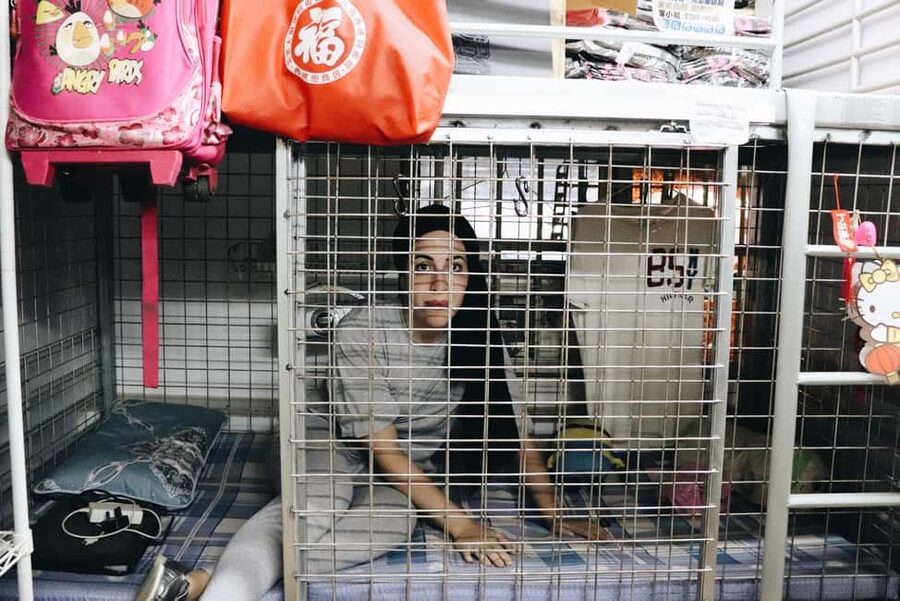
I find this experience useful because it connects big economic ideas to spaces you can actually see. Hong Kong is often presented through its harbor, towers, shopping streets, and efficient transport. Here, you look at the same city through the cost of rent, the shortage of land, population pressure, and the choices people make when ordinary housing is out of reach.
The tour focuses on the estimated 1.5 million residents living in poverty. That figure is difficult to grasp on its own. It becomes more real when you stand in a room of roughly 100 square feet and consider that one family may use it for sleeping, cooking, storage, and washing.
I appreciate the tone. The best guides set expectations early and explain the subject with care. Guides such as Stephen, Summer, Alice, Michael, and Isaac have been praised for answering questions clearly and treating residents with dignity. The aim is not to turn hardship into a spectacle. It is to explain how the housing system works and how people are affected by it.
More dark history tours in the world:
- Adults-Only New Orleans Ghost, Crime, Voodoo, and Vampire Tour
★ 5.0 · 6,545 reviews - Edinburgh: Dark Secrets of the Old Town Ghost Walking Tour
★ 4.6 · 1,671 reviews - New Orleans Adults-Only True Crime and Ghost Walking Tour
★ 5.0 · 1,666 reviews
Starting inside Prince Edward MTR Station
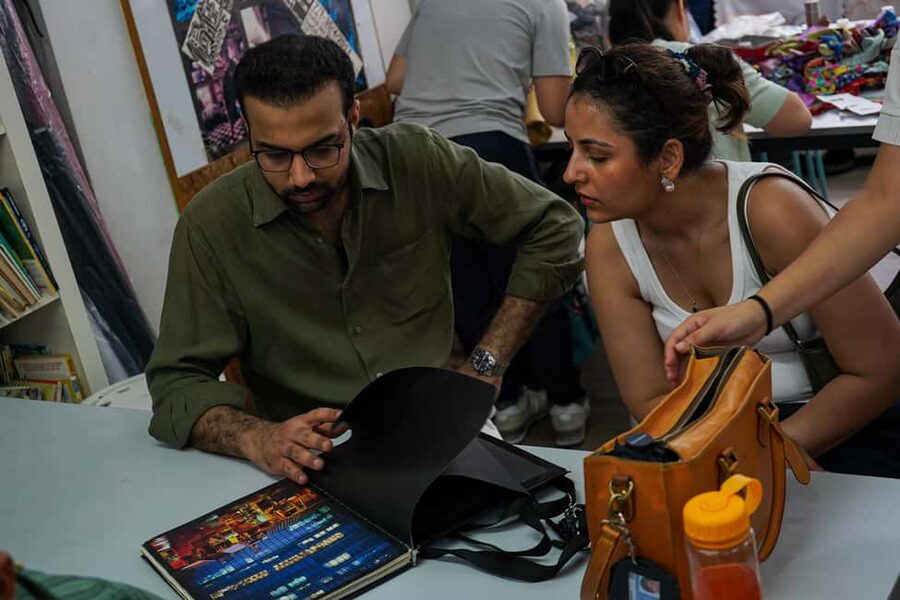
You meet at Prince Edward MTR Station Exit D, inside the station, near Playing Field Road. Pay attention to that detail. Do not wait on the pavement outside and assume the group will find you there.
The route begins around Prince Edward and then moves toward Mong Kok and Sham Shui Po. These districts are close together, but the walk still takes you through very different settings. You will pass ordinary streets and older buildings rather than a neat parade of monuments, so comfortable shoes matter.
The tour lasts two hours. That is long enough to cover the main ideas without turning into a full-day commitment. It also means the guide has to keep the pace moving. You should expect a walking route through crowded streets, staircases, and older buildings. Anyone with limited mobility should consider this carefully before booking.
From a 500-square-foot flat to five homes
One of the strongest parts of the experience is the explanation of subdivided housing. A typical 500-square-foot apartment may be divided into five tiny units. The original home is no longer a single family residence. It becomes a collection of separate rooms, each rented by someone who may have few other choices.
That example helps explain why Hong Kong’s housing crisis is not only about small apartments. It is also about how a limited supply of land and homes gets divided, priced, and resold. Population growth and market pressure push more people into less space.
The guide also explains the paradox at the heart of Hong Kong’s property market. The city has enormous wealth, expensive towers, and a strong financial economy, yet many workers live in cramped rooms. You may hear a personal account of that contradiction from your guide, which makes the subject less abstract.
The tour does not pretend that one cause explains everything. Land policy, capitalism, population density, and the price of property all play a part. I like this wider view because it gives you something more useful than a simple rich-versus-poor story.
Seeing the 100-square-foot subdivided flat
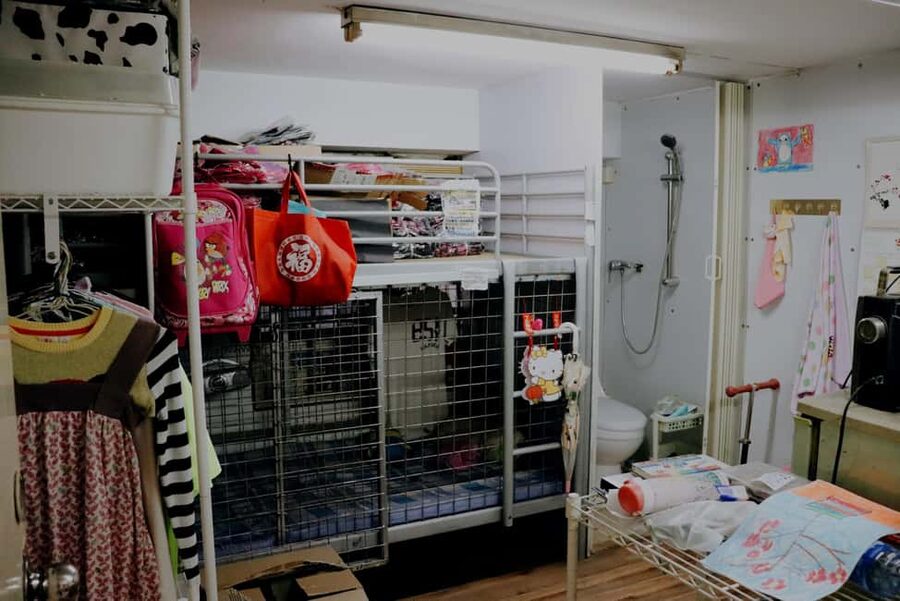
The tour’s central indoor stop is a subdivided flat measuring about 100 square feet, or roughly 10 square meters. It is arranged to show how a family can live in a space that combines a bed, cooking area, toilet, and living space.
This is the moment when the numbers become physical. A room of this size leaves little room for privacy or separation between activities. There is no obvious place to retreat, store belongings, cook without affecting the rest of the room, or give children their own space.
An important point for you as a visitor is that the flat used for the tour is vacant and maintained for educational purposes. You are not entering someone’s occupied home or interrupting a family’s daily life. The space functions more like a small exhibit showing the conditions of earlier residents.
That distinction matters. Poverty tours can easily become intrusive. Here, the vacant room lets you understand the layout without asking a current resident to perform or explain hardship for strangers. Still, I would keep your behavior respectful. This is not a photo prop.
More walking tours in the world:
- History and Hauntings of Salem Guided Walking Tour
★ 5.0 · 14,564 reviews - New Orleans Premier Ghost, Voodoo and Vampire Walking Tour
★ 4.5 · 12,856 reviews - Chicago: Gangsters and Ghosts Walking Tour
★ 5.0 · 7,155 reviews - Prague: Ghost Walking Tour Where Legends Come To Life
★ 4.4 · 5,253 reviews
Cage homes and the limits of private space
You will also learn about cage homes, metal enclosures that serve as complete living quarters for some single residents, including people working for minimum wage. The term sounds extreme because the conditions are extreme. A metal partition may define one person’s entire sleeping and living area within a larger room.
The visit is not designed to entertain you. It asks you to think about what privacy means when even a secure bed-sized space can be expensive. For some residents, the choice is not between a spacious flat and a small one. It is between a cage home, an overcrowded room, and the risk of having nowhere affordable to live.
I would not recommend this tour to anyone seeking only cheerful sightseeing. It can be sad and uncomfortable. That is part of its value, but you should be ready to listen rather than treat the stop as a curiosity.
Mong Kok: prosperity beside pressure
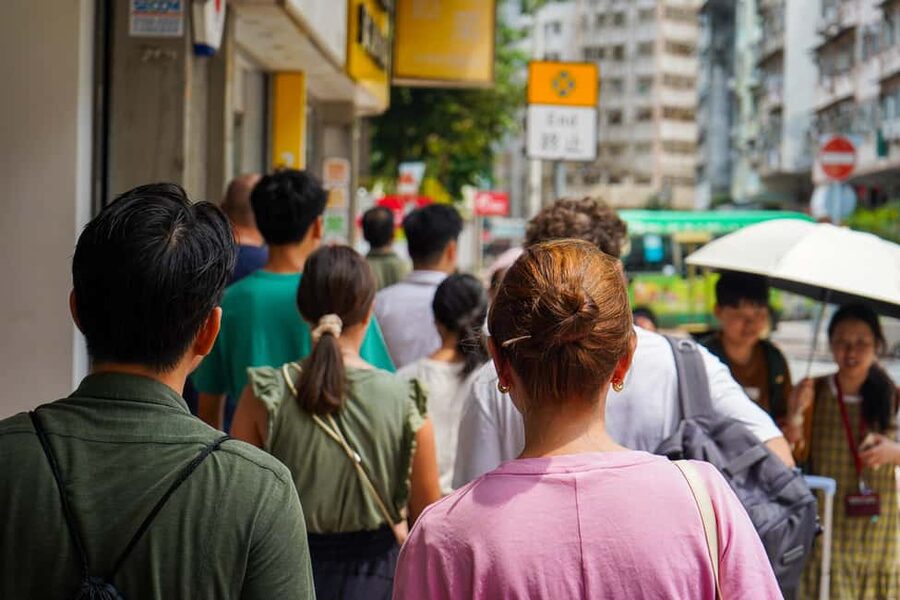
Mong Kok gives the tour a useful middle section. You are still in one of Hong Kong’s active commercial areas, but the guide points out what sits behind the shopfronts and towers. The district shows how luxury apartments, retail activity, older tenements, and subdivided flats can exist within a short walk of one another.
The stop here is brief, about 10 minutes, so do not expect a long neighborhood history. Its purpose is contrast. Hong Kong’s property prices and polished public image can seem disconnected from the small homes hidden in older buildings. Mong Kok helps tie those two versions of the city together.
I like the way this part makes you look upward and sideways. A modern tower may be right beside an aging block with tiny units. The city is not divided into a wealthy area and a poor area with a clean boundary. The two conditions often sit next to each other.
Sham Shui Po and the city behind the skyline
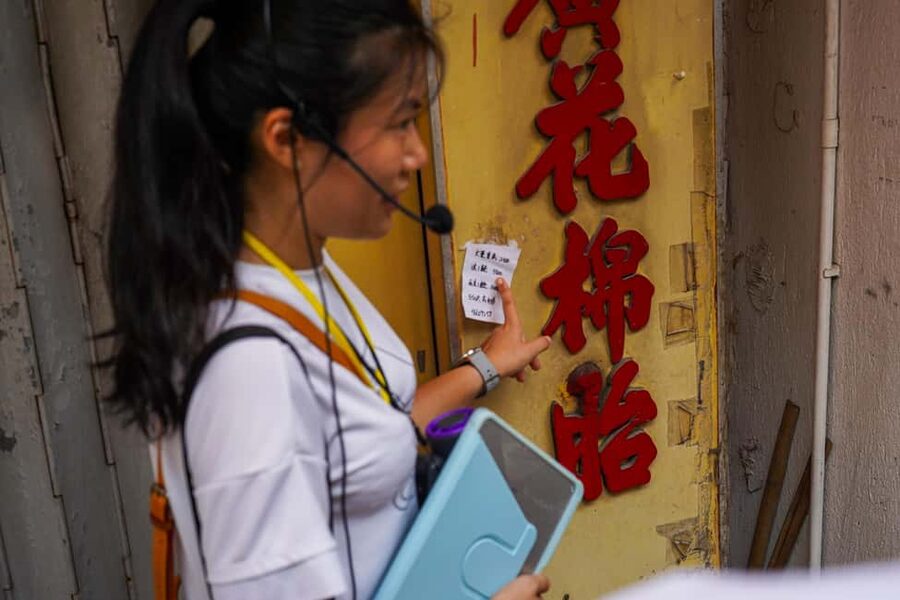
The walk continues into Sham Shui Po, one of Hong Kong’s poorest districts. This is where the experience feels most grounded in ordinary local life. You move through backstreets and older buildings, seeing the setting in which subdivided flats and cage homes exist.
The route may also touch on the area’s underworld and the difficult social issues linked to poverty. The point is not to label the whole neighborhood as dangerous or hopeless. Sham Shui Po is a lived-in district, not an open-air museum of hardship. You should behave as you would anywhere else: do not photograph people without permission, do not block doorways, and listen when the guide explains where privacy matters.
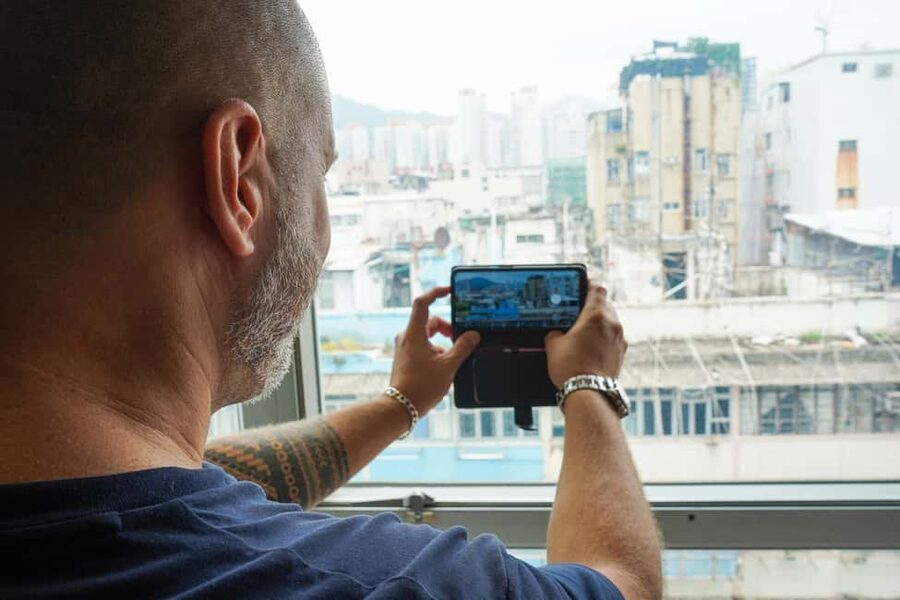
A rooftop stop offers a striking view of hidden dwellings above the city. From street level, Hong Kong’s vertical growth is easy to admire. From a rooftop, you may see another side of that density, with makeshift or cramped homes occupying spaces most visitors never notice.
This contrast is one of the tour’s most memorable ideas. The skyline is not false, but it is incomplete. The rooftop view adds the missing layer.
SoCo gives the final stop a purpose

The walk ends at SoCo, a local charity that has advocated for marginalized communities for more than 50 years. The visit shifts the conversation from describing the problem to asking what can be done.
You can expect discussion about residents’ rights, social support, and possible paths forward for Hong Kong. The ending matters because the tour does not leave you with shock alone. It points toward people and organizations working with communities affected by the housing crisis.
If you want to buy books or make a donation, carry some cash. One visitor specifically noted that card payment may not be useful for those purchases. Food and drinks are not included, so plan to eat separately. The walk ends at the North River Street Market and Cooked Food Centre, near Sham Shui Po MTR Station, giving you an easy place to continue your day.
What the guides add to the experience
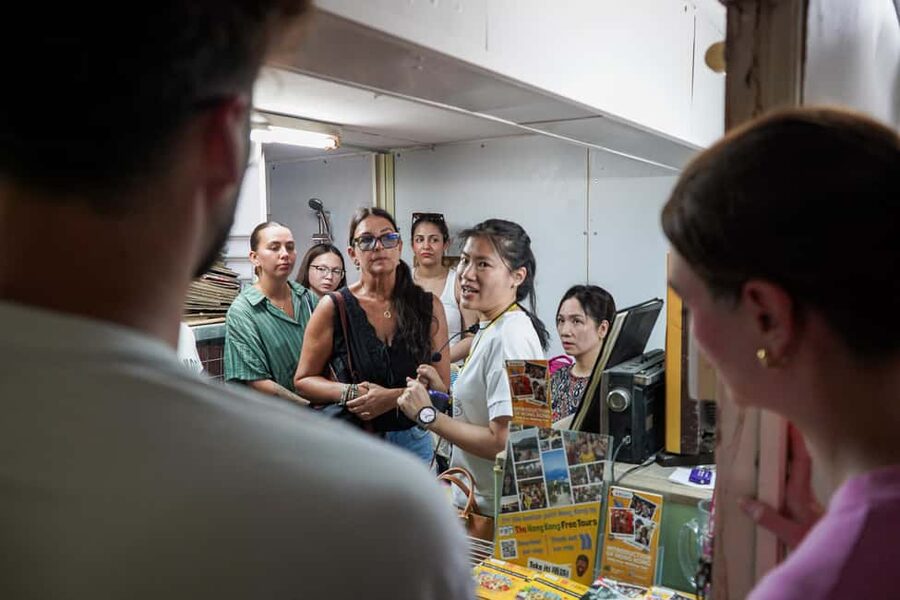
The guide can make a major difference on a subject this serious. The English-speaking team includes guides such as Stephen, Summer, Alice, Michael, Isaac, Wind, Simeone, and Wing Man. You may not get a particular guide, but the repeated strengths of the team are clear: local perspective, patience with questions, and care in discussing residents.
Stephen has been noted for sharing his connection to Hong Kong and explaining the property market in a clear way. Summer brings strong personal interest in poverty and affordable housing. Alice is known for using financial and statistical details without making the discussion dry. Michael connects the housing crisis with the wider effects on local people and migrants.
The best approach is to ask questions. The guides are there to explain the causes, not just lead you from one cramped room to another. If you are interested in economics, housing policy, social welfare, or urban planning, you will get more from this tour than someone looking only for unusual photographs.
Group size can affect the feel of the walk. The group may be on the larger side, although the guide works to keep people together. Busy streets and narrow interiors can make a larger group less nimble. That is a minor tradeoff for a tour at this price, but it is worth knowing.
Is the $31 price fair?
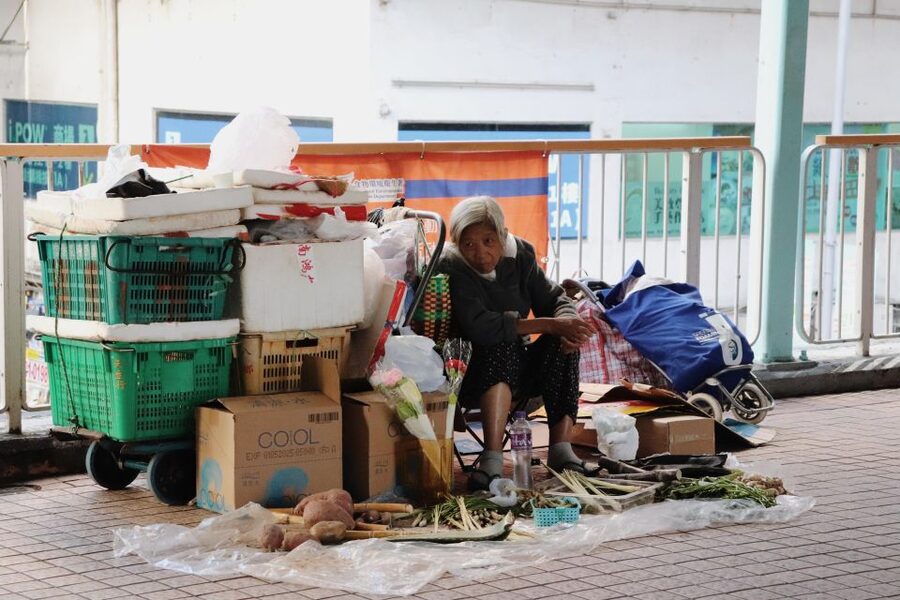
At $31 per person, I consider this a reasonable price for a two-hour guided experience. You are paying for a local guide, access to an educational subdivided flat, a carefully planned route through several districts, and the chance to support a social organization connected with the subject.
The value is not in the number of sights. This is not a ticket bundle or a fast tour of famous attractions. Its value comes from interpretation. Without a guide, you might walk through Mong Kok or Sham Shui Po and notice only old buildings, narrow streets, and high-rise apartments. The guide explains what those details mean.
It is also a good choice if you have already visited Hong Kong several times and want a different focus. The walk offers context that you are unlikely to get from harbor views, shopping areas, or standard city tours.
I would not book it if your main goal is food, architecture, or a relaxed morning. Food and beverages are not included, and the emotional weight of the subject is part of the experience. But for a visitor who wants to understand the city’s social and economic pressures, $31 buys a lot of useful context.
Practical advice before you go
Wear comfortable shoes. You will walk through busy streets, climb stairs, and enter older buildings. The route may be affected by weather, and poor conditions can lead to rescheduling or a full refund.
Keep your expectations clear. The tour begins at Prince Edward MTR Station Exit D inside the station and finishes near Sham Shui Po MTR Station. It does not include hotel pickup or drop-off.
I would also bring water, especially in warm or humid weather, though the tour does not provide food or beverages. Bring cash if you want to purchase charity books or donate at the end.
Most important, bring a respectful attitude. You will be looking at places connected to real hardship. Ask questions, but avoid treating residents or their homes as scenery. The tour works best when you see the people involved as neighbors dealing with a difficult system, not as objects of pity.
Who should book this Hong Kong housing tour?
I recommend it to first-time visitors who want a fuller picture of Hong Kong, repeat visitors seeking a different angle, and anyone interested in housing, economics, social policy, or urban development. It also suits people who prefer a local guide’s explanation to a museum display.
I would skip it if you want a light, photo-focused activity, dislike walking through older districts, or feel uncomfortable discussing poverty and housing insecurity. The tour is honest about its subject, and the experience can be emotionally demanding.
For me, the strongest reason to go is the connection between the tiny flat, the rooftop homes, the property market, and SoCo. Each stop adds another piece. You leave with a better sense of how a city can look prosperous from the harbor while remaining unaffordable for many of the people who keep it running.
FAQ
How long is the Dark Side of Hong Kong Caged Homes Walking Tour?
The tour lasts two hours.
What language is the tour conducted in?
The tour is conducted in English with a live guide.
Where does the tour begin?
It begins inside Prince Edward MTR Station at Exit D, near Playing Field Road.
Where does the tour end?
It ends at the North River Street Market and Cooked Food Centre, near Sham Shui Po MTR Station.
What will I see inside the subdivided flat?
You will see a vacant, tour-maintained unit of about 100 square feet, or 10 square meters, arranged with a kitchen, bed, toilet, and living space.
Does the tour visit an occupied home?
No. The subdivided flat used for the tour is vacant and maintained for educational purposes.
Is hotel pickup included?
No. You must make your own way to the meeting point, and hotel drop-off is not included.
Is food included?
No. Food and beverages are not included in the tour price.
Is the tour suitable for people with limited mobility?
It may not be suitable because the route includes busy streets, staircases, and older buildings. Comfortable shoes are recommended.
What happens if the weather is poor?
The tour is subject to weather conditions. If it is canceled because of poor weather, you can reschedule or receive a full refund.
Can I cancel the booking?
You can cancel up to 24 hours in advance for a full refund. You can also reserve now and pay later.
Just added around the world
- Zion: Harry Potter-Inspired Zion Ghost Tour with Sunset View★ 5.0 · 8 reviews
- Your evening in Venice – Legends&Ghosts&Aperitif★ 4.7 · 79 reviews
- York’s Haunted Heart : Ghost, Ghouls and Gallows★ 4.6 · 82 reviews
- York : Private Ghost Hunt★ 5.0 · 3 reviews
- Witches, Widows, & Wraiths: Wichita Ghost Tours★ 5.0 · 2 reviews
- Wraiths & Wicked Whispers: Wilmington Ghost Tour★ 4.2 · 25 reviews
- Witches, ghosts and executioners / Mystical North Hesse★ 4.4 · 4 reviews
- Wraiths of the West Texas Wind: El Paso Ghost Tour★ 4.5 · 9 reviews
Dark History & True Crime Tours, compared.

Adults-Only New Orleans Ghost, Crime, Voodoo, and Vampire Tour
Read our review →
The Deathly Dark Tour of York: Experience of the Year 2024
Read our review →
The Dark Side of Florence: Mysteries and Legends
Read our review →
Dark Secrets of the Old Town Ghost Walking Tour
Read our review →
New Orleans Adults-Only True Crime and Ghost Walking Tour
Read our review →
Genteel and Bard’s Savannah Dark History and Ghost Encounter Walking Tour
Read our review →
Buda Castle District Dark History, Legends and Vampire Night Tour
Read our review →Browse the lists this tour appears in