
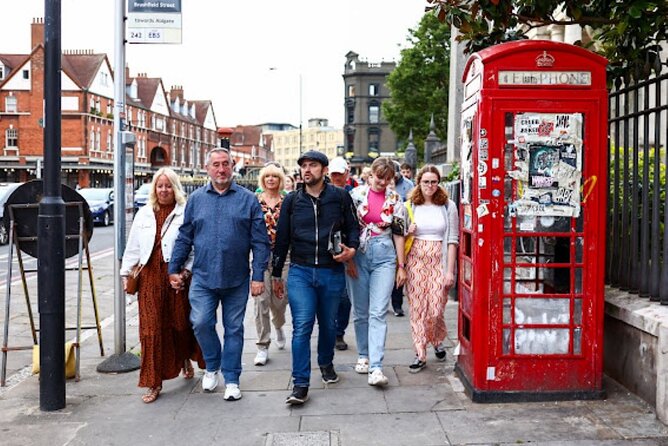
REVIEW · LONDON GHOST TOURS
Jack the Ripper and Victorian London: Beyond the Shadows
Jack the Ripper and Victorian London: Beyond the Shadows is less a grisly crime walk than a sharp look at the people and pressures behind the headlines. You follow the route from Braham Street through Whitechapel and Spitalfields, hearing what is known about the murders while giving proper attention to the women whose lives were cut short.
I like the way the tour connects crime to Victorian poverty and social pressure, rather than treating the East End as a stage set. I also like the guide-led storytelling, especially with Nick, whose humor and theatrical delivery help keep a grim subject thoughtful instead of merely gory. The main drawback is simple: this is a nearly two-hour walking tour about violent crimes, so it may not suit anyone wanting a light London stroll.
Key points to know before you book
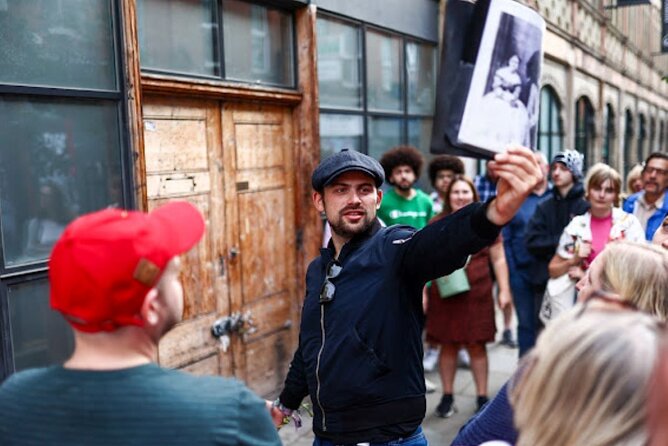
- The focus goes beyond Jack the Ripper: You learn about the victims, their lives, and the myths that grew around them.
- Nick brings a strong performance style: His background in musicals helps turn facts and theories into a lively walking presentation.
- The route covers real East End locations: Brick Lane, Hanbury Street, Goulston Street, and Mitre Square all form part of the walk.
- Victorian London gets equal billing: Expect social and cultural context, not just a list of dates and suspects.
- The tour costs $24 per person: For 140 minutes with a live English-speaking guide, that is a fair price for central London.
- You finish at Spitalfields Market: The ending gives you an easy place to continue eating, shopping, or exploring.
Why this Jack the Ripper walk feels different
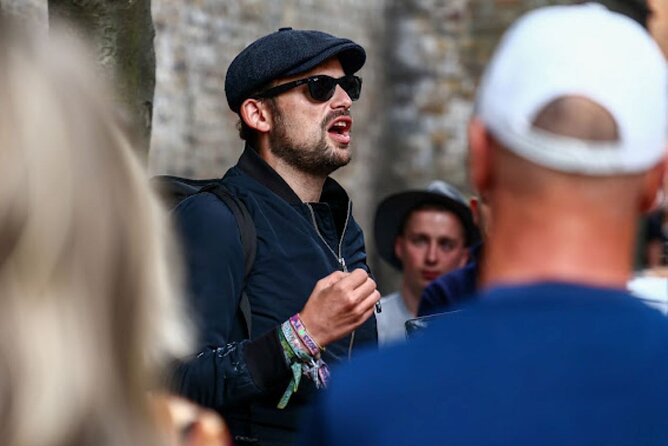
Many crime tours are built around suspense. This one uses the crimes as a doorway into Victorian East London. That distinction matters. If you only want theories about the killer, you may find the wider social detail slower than expected. If you want to understand the setting and the people involved, it gives you much more to work with.
The tour asks you to think about what is actually known, what was reported at the time, and what later storytellers added. That critical approach is useful because Jack the Ripper has become a popular legend filled with speculation. Here, the guide’s job is not simply to produce another suspect or repeat the most lurid version of events.
The women at the center of the story receive particular attention. Their lives are not reduced to their deaths. You hear about the misunderstandings surrounding them and gain a clearer sense of the social conditions in which they lived. That makes the tour more respectful and more historically useful than a walk built only on shock.
The tone also matters. Nick has been praised for being direct without relying on unnecessary gore, and for using humor carefully when the subject becomes heavy. His delivery can feel closer to a one-person performance than a standard sightseeing talk. That style suits visitors who learn best through stories, questions, and a bit of theatrical energy.
More Jack the Ripper tours in London:
- London: The Original Jack the Ripper Walking Tour
★ 4.7 · 7,833 reviews - London Jack the Ripper Guided Tour with Ripper-Vision
★ 4.5 · 4,840 reviews - London: Jack the Ripper Small Group Tour
★ 4.7 · 3,159 reviews
Starting at Braham Street
The experience begins at Braham Street, placing you near the East End setting that shapes the whole walk. From the outset, you are not simply handed a case file. The tour sets the scene of 19th-century London and explains how class, work, housing, and public reputation affected daily life.
This opening context is important. Without it, the murders can seem like isolated incidents in a dark alley. With it, you begin to understand why Whitechapel and Spitalfields carried such strong contrasts between hardship, commerce, immigration, entertainment, and respectable public life.
Nick’s local connection is another useful part of the experience. He has spoken about the area through the perspective of someone whose family has lived locally, giving the tour a personal link to the streets. That does not replace historical evidence, but it can help connect the old stories to the modern East End you see around you.
Braham Street is also a practical starting point for a walking route. Wear comfortable shoes, since the experience lasts 140 minutes and includes several stops on foot. The tour is listed as wheelchair accessible, although you may still want to confirm any specific access needs before booking.
Brick Lane and the changing East End
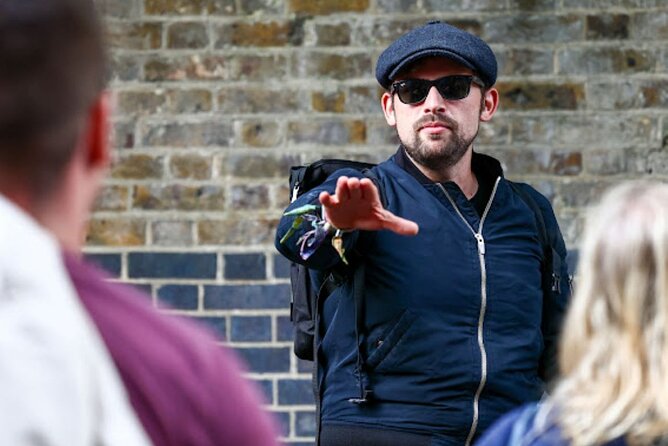
Brick Lane is one of the most recognizable parts of modern East London, known for food, markets, street art, and independent shops. On this tour, it also becomes a place to consider how much the area has changed since the Victorian period.
The value of stopping here is the contrast. You can look at a lively modern street while hearing about the poverty and social tension that shaped the old East End. The guide links the physical surroundings to the wider story, helping you see that this was never just a collection of gloomy alleys.
Brick Lane also gives the tour room to discuss cultural change. The activity promises insight into the East End’s cultural and historical character, not just the crimes. That makes this stop useful for anyone who wants to understand London as a city shaped by different communities and changing fortunes.
You should expect a guided walk rather than an extended visit inside a museum or historic building. The strength is the street setting and the guide’s explanation. The tradeoff is that you need to listen while standing or walking, and the experience depends heavily on the quality of the presentation.
Hanbury Street and the human stories
Hanbury Street is one of the places where the tour turns from broad setting to specific events. Here, the guide traces part of the route connected with the crimes and discusses the people involved.
The strongest feature is the effort to restore humanity to the victims. The tour does not treat them as names on a map or props in a murder mystery. You learn about the misunderstandings surrounding their lives and the way later accounts can distort the people behind the headlines.
That approach also helps you judge the era more fairly. Victorian London was shaped by severe economic pressure, limited support for vulnerable people, and sharp divisions between social classes. The tour uses individual stories to show how those forces affected real lives.
The stop may feel solemn, especially because the subject is not softened. At the same time, the guide’s humor and conversational manner can keep the group from becoming overwhelmed. You can expect a serious account, but not a constant attempt to frighten you.
A few more ghost walks around London worth a look
- Ghost, Ghouls and Gallows Tour : Guided Tour with Boat Ride
★ 4.5 · 3,212 reviews - London Jack The Ripper Guided Walking Tour
★ 5.0 · 3,131 reviews - London: Comedy Horror Ghost Tour on a Bus
★ 4.4 · 2,084 reviews - London: Jack the Ripper Tour with Immersive Ripper Vision
★ 4.5 · 1,840 reviews
Old Spitalfields Market and Victorian contrasts
Old Spitalfields Market adds an important change of mood and setting. Markets have long been tied to work, trade, food, movement, and public life, so this stop helps broaden the picture of the East End.
The tour uses the area to explore the contrast between poverty-stricken streets and more comfortable parts of Victorian society. That contrast is one of the most useful themes in the experience. London in this period was not one uniform city. Wealth, influence, deprivation, and opportunity existed close together, often separated by only a short walk.
You also get a stronger sense of how the East End functioned as a living district, not merely a crime scene. The market setting places the murders within a wider world of workers, traders, residents, and visitors. That is exactly the kind of detail that helps a historical walk feel grounded.
Because the tour ends at Spitalfields Market, this stop may feel like both a major historical point and a preview of where you can continue afterward. You can use the end of the walk to explore the market area on your own, though no extra food, drink, or shopping is included in the $24 price.
Goulston Street and the problem of evidence
Goulston Street is part of the route where the guide can address the evidence, reports, and theories that have kept the case alive. The tour’s stated aim is to separate fact from misunderstanding, which is especially valuable here.
Jack the Ripper stories often blur police records, newspaper coverage, later books, and popular entertainment. You will be encouraged to consider how reports were created and repeated, rather than accepting every famous detail as certain.
This is where the experience suits curious minds more than people looking for a simple answer. You may not leave with a neat solution to the identity of the killer. Instead, you gain a better sense of which parts of the story are solid, which are disputed, and why the mystery remains so durable.
Nick’s interactive style is useful at this point. He has been described as asking people to put the pieces together rather than merely reciting information. That makes the walk more engaging, particularly for older teenagers and adults who enjoy weighing competing ideas.
Mitre Square and the darkest part of the route
Mitre Square is one of the tour’s central stops and likely one of its most serious. The guide explains its place in the case and connects the location to the lives affected by the killings.
Do not expect a staged horror attraction. The emphasis is on the known events, the setting, and the wider conditions of the time. That restraint is a strength. You can learn about a disturbing case without being pushed toward graphic detail for its own sake.
The site also shows the limits of modern sightseeing. Streets change, buildings disappear, and the present-day surroundings may not look much like 1888. A good guide has to explain the vanished city as much as point to what remains. This tour appears designed around that kind of storytelling.
For me, the important question at Mitre Square is not simply who committed the crime. It is how the victims were seen by the public, how the press shaped the story, and how much of their own humanity was lost in the rush to create a mystery. That wider framing gives the stop more weight.
London Fruit & Wool Exchange and the city at work
The London Fruit & Wool Exchange adds another view of East London as a place of commerce and labor. Its presence on the route helps balance the darker stops with a reminder that people worked, traded, transported goods, and built businesses in the same broad area.
This part of the walk is valuable because it places the crimes within a functioning city. The East End was not only associated with slums and danger. It was also tied to markets, trade, employment, and the constant movement of goods.
The name itself points to the mix of commercial activity that shaped London. You get a better understanding of how connected the area was to the city’s wider economy, even as many local people faced poverty and insecurity.
If your interest is strictly in the murder case, this may feel like a pause from the main plot. I see it as necessary breathing room. It gives the tour a fuller sense of place and keeps the East End from being presented as a one-note setting of fear.
How Nick’s guiding style affects the experience
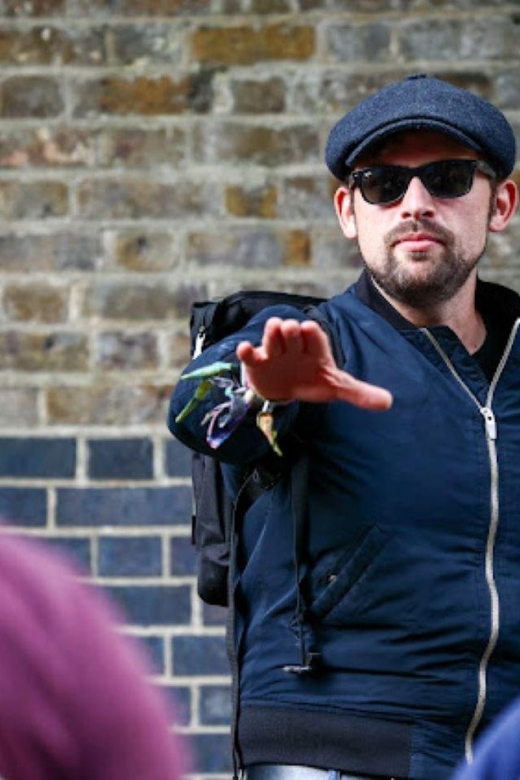
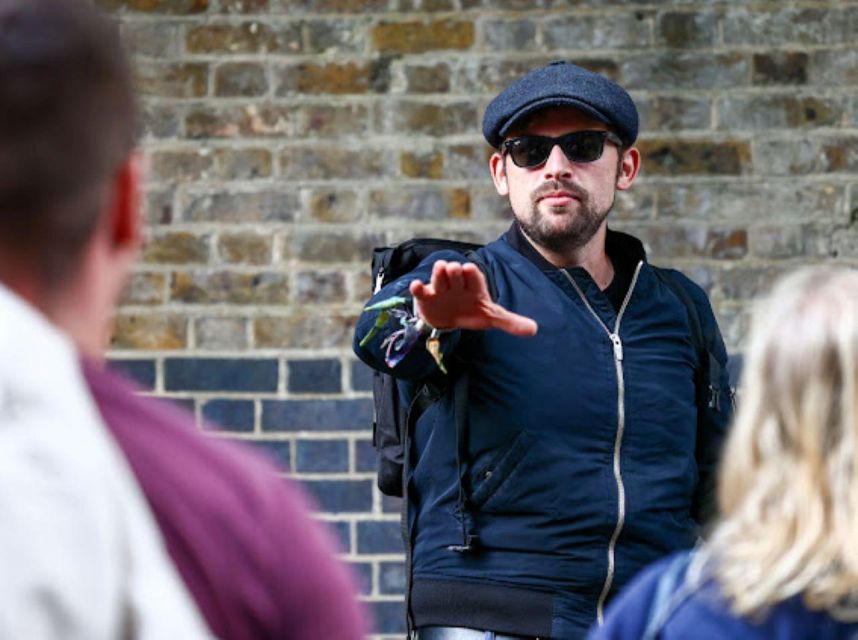
The guide can make or break any walking tour, and Nick receives unusually strong praise for his delivery. His style is described as funny, direct, warm, and highly theatrical. His past work in musicals appears to shape the way he tells the story, giving the walk a performance quality without turning it into a stage show.
That matters because 140 minutes is a long time to stand and listen to facts. Nick’s approach uses questions, humor, historical explanation, and dramatic storytelling to keep the pace moving. He also answers questions and adjusts to the group, which is useful when people arrive with different levels of interest.
The humor is not used to make light of the victims. Instead, it helps release some of the tension around a bleak subject. The overall tone remains serious, but it is not relentlessly grim.
The English-only format is clear and simple. If you are comfortable listening to English for nearly two and a half hours, you should be able to follow the presentation. If you need another language, this activity will not meet that need.
What $24 buys you
At $24 per person, the tour offers 140 minutes with a live guide and a route through several important East End locations. In London, that is a reasonable price for a focused walking experience, especially when the guide adds historical interpretation rather than simply leading you between points.
The value comes from the connections between the stops. You are not paying only to see Brick Lane, Mitre Square, or Spitalfields Market. You are paying for the explanation that ties them together, including Victorian society, the victims’ lives, the press, social class, and the myths surrounding the case.
The price does not include a meal, drinks, transport, or entry to a separate attraction. It is best understood as a guided outdoor history experience. One unusual account describes a beer-tasting stop during severe rain, but that was a personal accommodation during one outing, not a listed part of the tour, so you should not book expecting it.
Flexible booking adds practical value. You can reserve now and pay later, and cancellation is free up to 24 hours before the start time for a full refund. Check the available starting times when booking, since the exact schedule is not fixed in the information provided.
Who should book this East End walk
I would recommend it to you if you enjoy true crime but also want social history. It is particularly well suited to visitors who prefer a guide to explain evidence, challenge popular myths, and discuss the people behind the case.
It should also work for families with older children and teenagers. One family group with children aged 17 to 23 found the balance of learning, humor, and serious subject matter effective. Younger children may find the topic too disturbing, though no formal minimum age is provided.
History students, London first-timers, and visitors already exploring Spitalfields can all get something from the route. The finish at Spitalfields Market makes it easy to continue your East End outing afterward.
I would think twice if you dislike dark subjects, walking tours, or open-ended historical questions. This is not a polished sightseeing bus ride, and it does not promise a final answer to the Ripper mystery. Its purpose is to make you think more carefully about the people and city behind the legend.
Should you book it?
Book this tour if you want a thoughtful Jack the Ripper experience that treats the victims as people and Victorian London as more than a backdrop. The combination of Brick Lane, Hanbury Street, Goulston Street, Mitre Square, the Fruit & Wool Exchange, and Spitalfields Market gives you a clear route through the East End, while Nick’s lively delivery keeps the serious material approachable.
Skip it if you are seeking a short, purely spooky walk or graphic entertainment. For $24, the strongest value comes from the social context, careful handling of disputed facts, and guide-led storytelling. If those are what you want, this is a strong choice for an evening in East London.
FAQ
Where does the tour start?
The tour starts at Braham Street.
Where does the tour finish?
The tour finishes at Spitalfields Market.
How long does the tour last?
The tour lasts 140 minutes.
What places are included on the route?
The route includes Brick Lane, Hanbury Street, Old Spitalfields Market, Goulston Street, Mitre Square, and the London Fruit & Wool Exchange.
What language is the tour in?
The live tour is conducted in English.
How much does the tour cost?
The listed price is $24 per person.
Is the tour wheelchair accessible?
Yes, the activity is listed as wheelchair accessible.
Can I cancel or pay later?
You can cancel up to 24 hours in advance for a full refund. You can also reserve your place and pay later.
Just added around London
- Wicked Whitechapel: Where Now’s Jack The Ripper Audio Tour★ 5.0 · 2 reviews
- Ghosts, Gore & Other Ghasty Stories in the City of London★ 5.0 · 7 reviews
- Visit Jack the Ripper in French★ 5.0 · 33 reviews
- The Ghosts of the secret alleyways of old London town★ 5.0 · 2 reviews
- The Haunted Pubs of Old London: Small Group Tour★ 5.0 · 38 reviews
- Afternoon Jack the Ripper : Guided Tour★ 5.0 · 183 reviews
- The Fading Light London Ghost Walk★ 5.0 · 35 reviews
- Self-Guided Audio Tour-Behind the shadow of evil: Jack the Ripper★ 4.0 · 2 reviews
London Ghost Tours, compared.
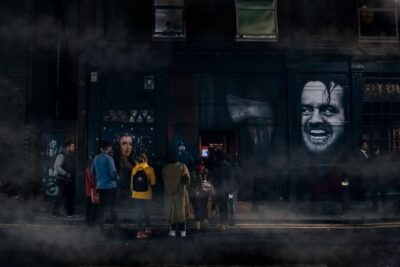
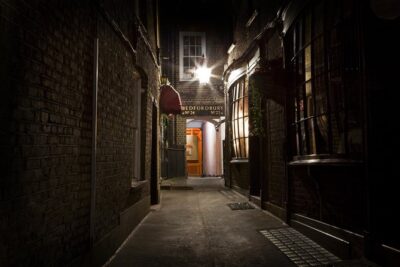
London Jack the Ripper Guided Tour with Ripper-Vision
Read our review →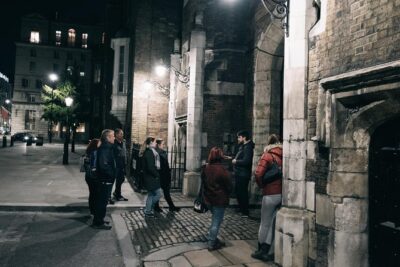
Ghost, Ghouls and Gallows Tour : Guided Tour with Boat Ride
Read our review →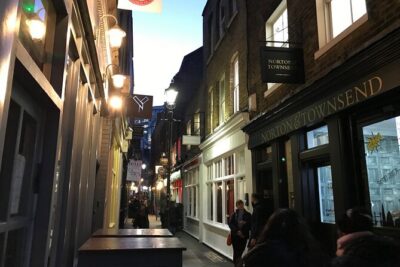
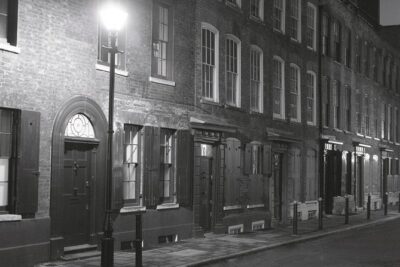
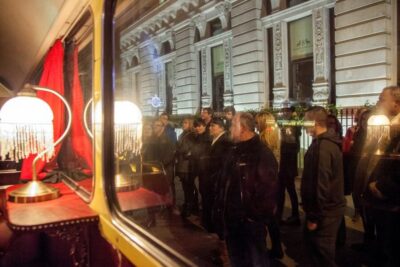
Jack the Ripper Tour with Immersive Ripper Vision
Read our review →
German Language : Original Jack the Ripper Tour
Read our review →Browse the lists this tour appears in