
REVIEW · LONDON GHOST TOURS
London: Jack The Ripper Walking Tour
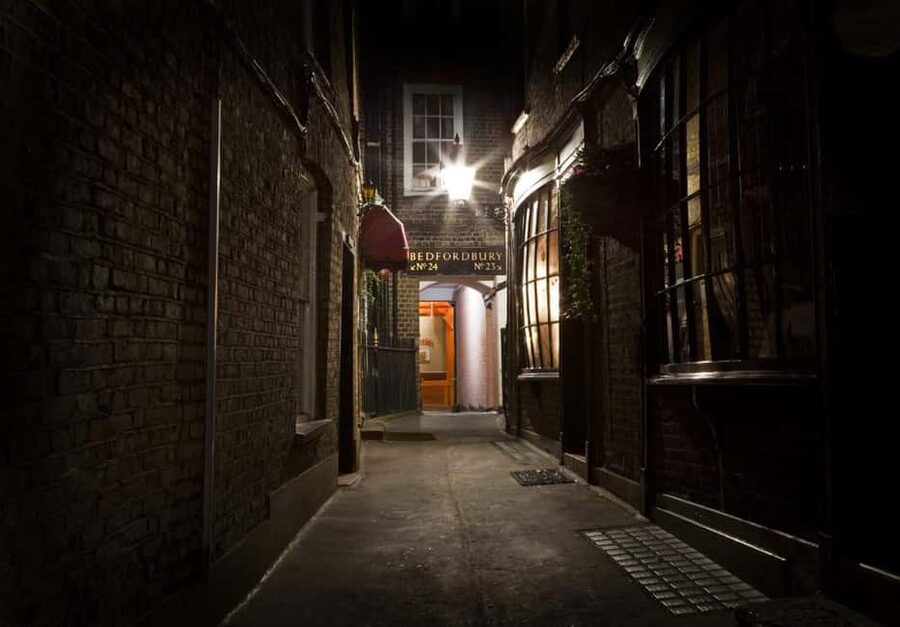
Jack the Ripper’s story becomes far more unsettling when you walk the real streets of Whitechapel rather than hear it in a museum. This 150-minute walking tour follows the places tied to the murders, then adds the social conditions, police work, and daily hardship of Victorian East London.
I like the respectful focus on the five female victims, and I like that the tour treats the case as history rather than a ghost story. Guides such as Carolina and Erik have been praised for clear storytelling and fact-based context. The main drawback is simple: you spend the whole time outdoors, so cold rain or strong wind can make the experience hard work.
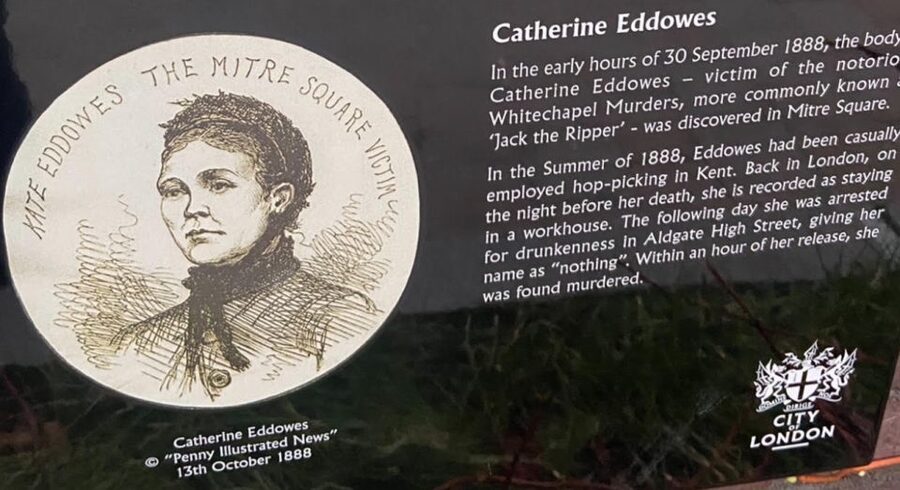
- Real Whitechapel crime locations: Visit Mitre Square and other streets linked to the case.
- Victims before myth: Hear about the lives of the canonical five, not just the killer.
- Victorian London context: Learn how poverty, prostitution, policing, and crowded housing shaped the story.
- East End landmarks: Walk through Petticoat Lane, Spitalfields, Old Spitalfields Market, and Brick Lane.
- Ten Bells finish: End at the pub long associated with the Ripper story.
- Good value at $18: A long guided walk with several historic areas included.
Starting at Aldgate Station with the right meeting point
Your tour begins outside Aldgate Station, beside Hotel Saint at 9 Aldgate High Street, London EC3N 1AH. Exit the station and look to your right for the hotel. The guide carries a yellow umbrella, which should make the meeting point easier to spot in a busy part of London.
Take care with the station name. You need Aldgate Station, not Aldgate East Station. London has a way of making small navigation errors expensive in time, and arriving at the wrong station could leave you rushing before the walk begins.
The meeting point places you at the edge of the historic East End, close to the streets that frame the tour. This is not a coach excursion with a quick photo stop. You set off on foot and remain outside for roughly two and a half hours, so wear comfortable shoes and bring clothing suited to London weather.
Large bags and luggage are not allowed. That makes sense on narrow streets and crowded pavements, but it also means you should plan this tour between hotel check-in and sightseeing rather than treating it as a luggage-friendly transfer.
Whitechapel and the human story behind the case
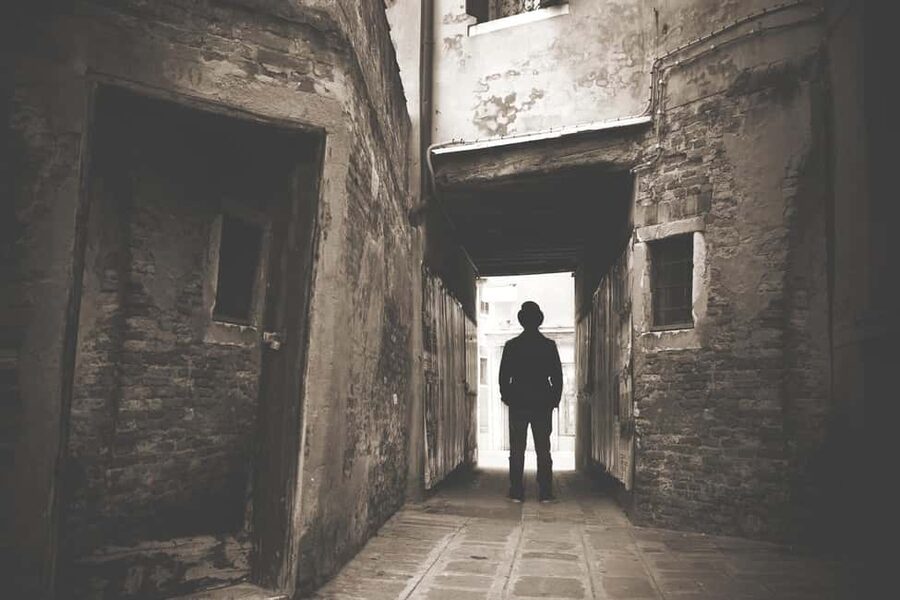
The strongest part of this experience is its attention to the victims. The women usually grouped together as the canonical five are often reduced to names in a murder mystery. A good guide gives them back their place as people living difficult lives in Victorian London.
Carolina has been praised for clear speech, strong presentation, and respectful treatment of the five women. Erik, also referred to as Eric in tour feedback, has taken a similar approach, placing the victims ahead of sensational stories. That matters here. The subject includes murder and prostitution, but the walk does not need cheap shock to hold your attention.
As you move through Whitechapel, the guide explains how the district’s social conditions shaped the case. You hear about life in the East End, the pressures faced by poor women, and the setting in which the murders took place. This background gives the streets meaning. Without it, the tour could become a string of dark anecdotes. With it, you get a clearer sense of the people and institutions involved.
The guide also covers the police investigation and the clues used to build different theories about the killer’s identity. Since Jack the Ripper has never been conclusively identified, the best part is not being handed a final answer. Instead, you compare evidence, suspect names, and the limits of what investigators actually knew.
More Jack the Ripper tours in London:
- London: The Original Jack the Ripper Walking Tour
★ 4.7 · 7,833 reviews - London Jack the Ripper Guided Tour with Ripper-Vision
★ 4.5 · 4,840 reviews - London: Jack the Ripper Small Group Tour
★ 4.7 · 3,159 reviews
Mitre Square and the real crime scenes
Mitre Square is one of the key stops. Here, the guide connects the physical setting to the murder associated with the location and explains how the police investigation unfolded. You are not simply shown a plaque or told a date. The point is to understand how the crime scene related to the surrounding streets and to the wider East End.
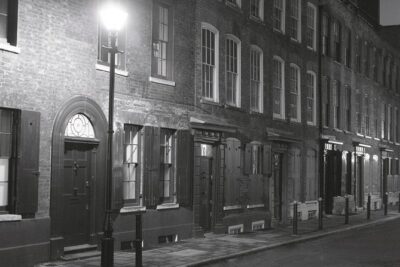
The area has changed greatly since 1888, and modern London does not look like the district described in Victorian accounts. That contrast is part of the value. You walk through a current working part of London while trying to picture a place lit differently, policed differently, and shaped by a very different social order.
The tour uses real locations, but you should not expect preserved crime scenes or a period set. This is a history walk through a modern city. The guide’s explanation does much of the work, helping you connect present-day streets with the evidence and testimony from the time.
Petticoat Lane and the crowded East End

Petticoat Lane adds more street-level context. The stop helps show the commercial and social character of the East End, where markets, lodging houses, workplaces, and busy streets formed part of everyday life.
The exact appeal of this section depends on the guide’s storytelling. The strongest approach links the market area to Victorian life rather than using it as filler between murder sites. You learn how the district functioned and why the East End became so closely tied to the public fear surrounding the case.
This is also where the walking format makes sense. You are not viewing Whitechapel from behind a bus window. You move through the same general district on foot, passing through streets and corners that help explain how people lived, worked, and moved around at night.
There is a practical trade-off. The tour has several outdoor stops, and shelter is limited. One cold-weather account found the full walk uncomfortable and wished for one or two pub stops. That is fair advice. If the forecast calls for heavy rain or sharp wind, warm layers and waterproof clothing are essential.
Spitalfields and Old Spitalfields Market
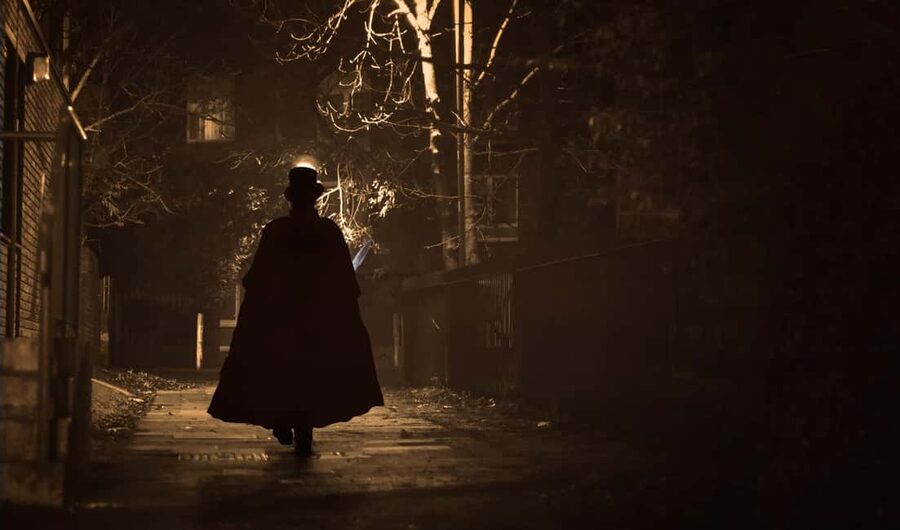
The route continues toward Spitalfields, one of the East End areas most closely linked with the story. Here, the guide broadens the subject beyond individual murders and talks about the wider history of London.
Old Spitalfields Market gives you a useful change of setting. It is a well-known East End landmark, and its presence helps connect the historic district with modern London. You get a sense of how areas once associated with poverty, trade, and crowded living have changed while still retaining their place in the city’s story.
The market is not presented as a separate food or shopping visit. It is one part of a longer walking route. If you expect free time to browse stalls, you may be disappointed, since the tour’s focus remains the Ripper case and Victorian London.
I like this part because it keeps the experience from becoming too narrow. The murders are the starting point, but the walk also asks what kind of city produced the conditions surrounding them. That makes the tour more useful for anyone interested in London’s past, not only in unsolved crime.
More walking tours in London:
- London Jack The Ripper Guided Walking Tour
★ 5.0 · 3,131 reviews - London: Jack the Ripper Evening Walking Tour
★ 4.9 · 1,449 reviews - London: Ghost Walk and River Thames Boat Ride
★ 4.5 · 1,251 reviews - London Jack The Ripper Small-Group Walking Tour
★ 5.0 · 1,013 reviews
Brick Lane and the city that moved on
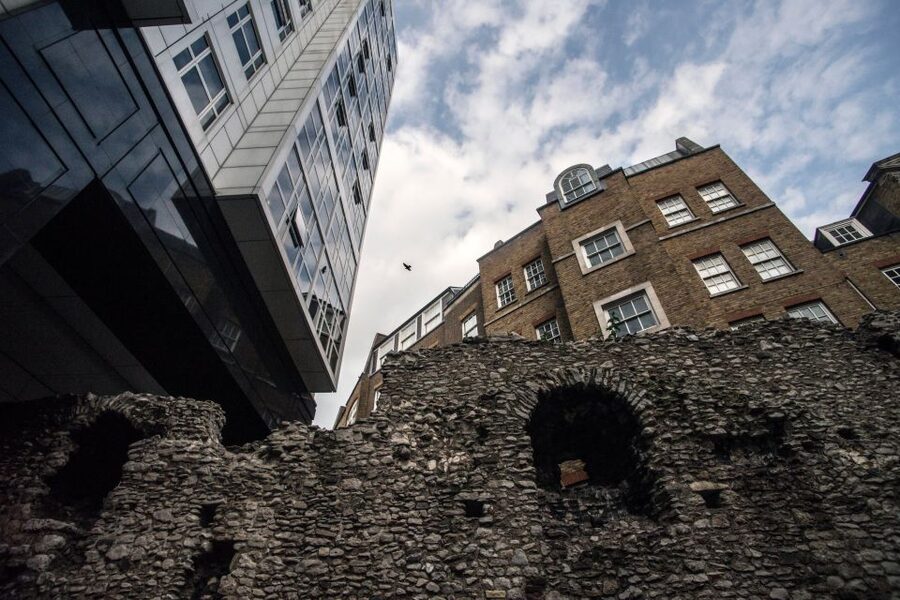
Brick Lane brings another modern East End landmark into the route. It is a lively part of London today, and walking through it makes the passage of time especially clear.
The tour does not promise a full Brick Lane food tour or a long shopping break. Instead, you see the area as part of the broader East End route. The guide may use the surroundings to explain how neighborhoods change and how modern London sits over older layers of the city.
This stop works best if you enjoy comparing present-day streets with historical accounts. It also gives the walk a little variety after several stops tied directly to murder scenes. At the same time, the modern surroundings can make it harder to picture the original setting. You rely on the guide to establish the connection.
The tour is conducted in English, and clear delivery matters. Carolina has been noted for speaking loudly and distinctly enough that no one missed the story. That is important on a city walk, where traffic, crowds, and open-air conditions can easily swallow a quiet voice.
Ending at the Ten Bells pub
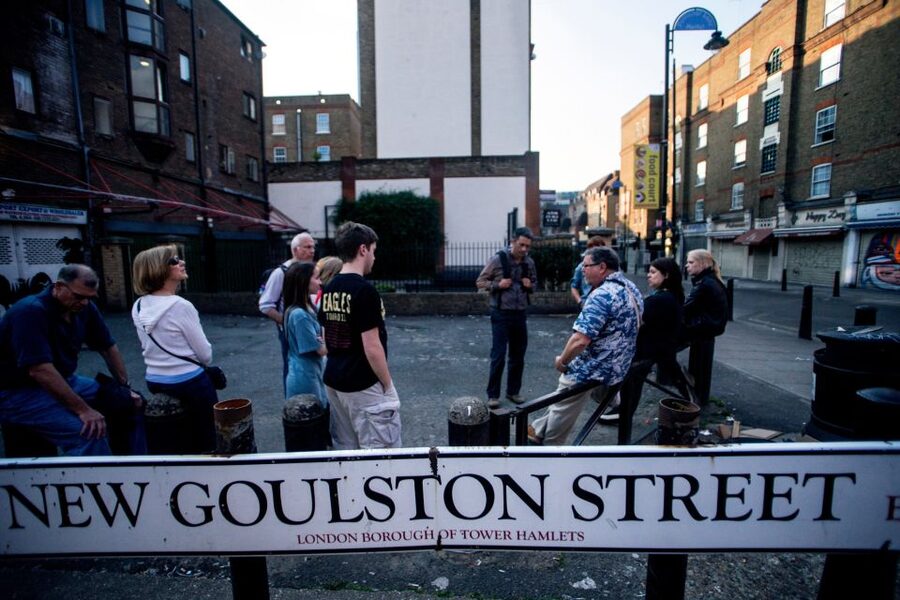
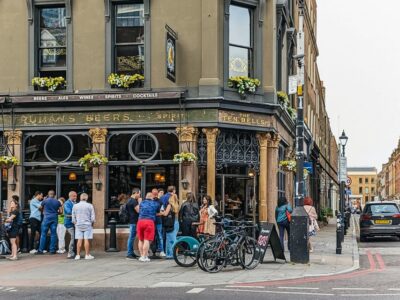
The final stop is the Ten Bells in Spitalfields, a pub closely associated with the Jack the Ripper story. Ending here gives the walk a natural finish and offers the option of having a drink after the tour.
The pub is part of the historical narrative, but you should not confuse the ending with a reserved pub session or included drink. The tour finishes at the Ten Bells, and the supplied details say you can enjoy a drink there afterward. Any purchase would be your responsibility.
This ending is useful for two reasons. First, it gives you a place to warm up or continue talking about the case. Second, it leaves you in Spitalfields, an area with plenty of other East End sights nearby. If you want a quiet end to the afternoon, you can stop for a drink. If you still have energy, you can continue exploring the neighborhood on your own.
How the guides handle Jack the Ripper’s identity
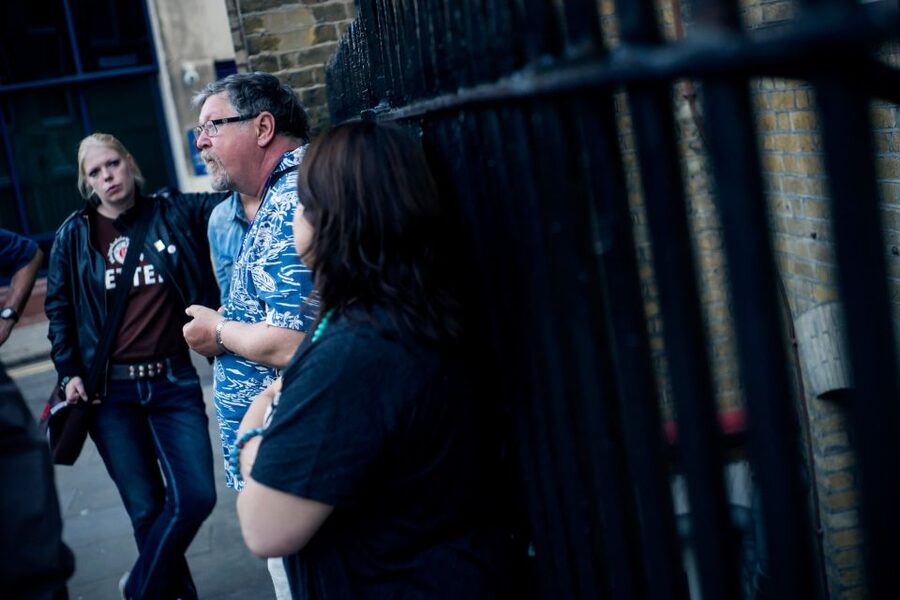
The central question remains the killer’s identity. The tour presents theories, clues, and evidence without pretending that an unsolved case has a certain answer.
That approach is important. Jack the Ripper has become a marketable legend, and it would be easy to turn the walk into a parade of suspects and dramatic claims. The best guides keep the distinction clear between documented evidence, later theories, and speculation.
Guides named in the supplied information include Carolina and Erik. Their strongest qualities are described as clear delivery, enthusiasm for the subject, and careful attention to the victims. You should still remember that a walking tour can vary with the individual guide. The structure is fixed, but the emphasis and storytelling style may differ.
One guide may spend more time on the police investigation, while another may focus more on social history or the women themselves. That flexibility can be a benefit, especially for repeat visitors, but it also means you should not expect a word-for-word script.
Price, pace, and practical value at $18
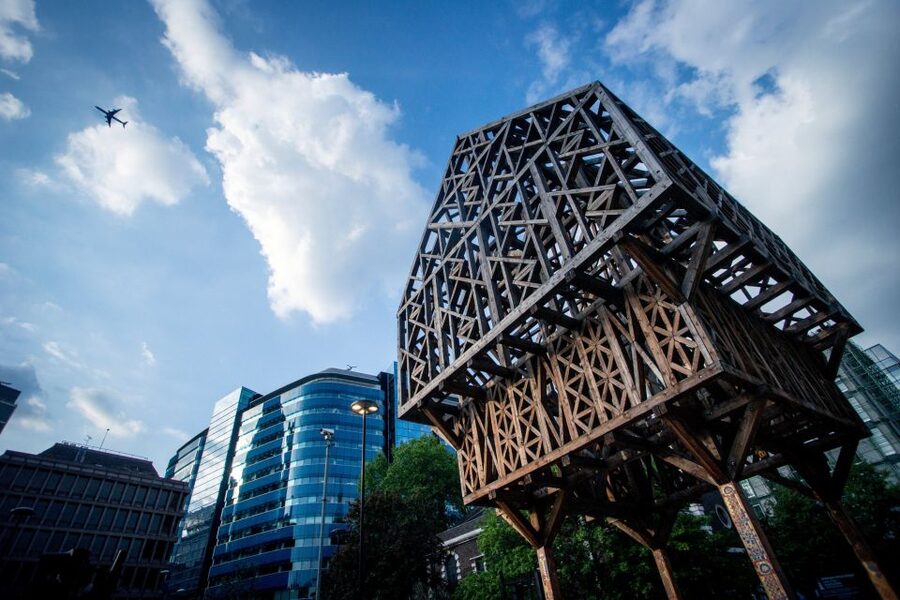
At $18 per person, this is a good-value way to spend an evening or afternoon in East London. You receive a professional guided walk lasting 150 minutes, covering several historic areas and real locations connected with the case.
The price is especially fair if you value interpretation. You could walk through Whitechapel, Spitalfields, and Brick Lane for free, but you would miss the organized explanation linking those places to the victims, police work, and competing theories.
The value drops if you dislike outdoor walking or already know the case in detail. The tour does not appear to include indoor visits, transport, food, or a guaranteed drink. You are paying mainly for the guide’s research, structure, and storytelling.
Book with the weather in mind. A cold, wet day can affect the whole experience because the tour keeps moving between outdoor stops. Comfortable footwear is just as important as a raincoat. The route is not suitable for wheelchair users, people with mobility impairments, or people with a low level of fitness.
The subject is mature. Murder and prostitution are discussed, and the recommended minimum age is 14. Children can attend at a parent or guardian’s discretion, but the guide will not change the material to suit younger children.
Free cancellation is available up to 24 hours before the tour for a full refund. You can also reserve and pay later, which helps if your London plans are still shifting.
Who will enjoy this Whitechapel walk
I would choose this tour if you want more than a spooky story. It suits you if you enjoy:
- Unsolved crime presented with historical evidence
- Walking tours that explain social conditions
- Victorian London and the East End
- Stories that give proper attention to victims
- A compact way to see Whitechapel, Spitalfields, and Brick Lane
It is less suitable if you need regular indoor breaks, have difficulty walking for two and a half hours, or prefer a theatrical ghost tour. The experience is described as factual and respectful, not as a haunted attraction.
You should also think about your comfort with mature subjects. The tour deals directly with murder and prostitution. That is central to the subject, not a minor detail that can be skipped.
Should you book the Jack the Ripper walking tour?
Book it if you want to connect the famous case with the actual streets and with the lives of the women involved. The strongest feature is the balance between crime investigation and Victorian social history, along with guides such as Carolina and Erik who place the victims ahead of sensational storytelling.
Skip it if bad weather is likely and you are unwilling to spend 150 minutes outdoors, or if you need a wheelchair-accessible route. At $18, it offers solid value for an English-speaking visitor who wants a thoughtful East End walk, but the experience depends heavily on suitable clothing, a steady pace, and an interest in difficult history.
FAQ
Where does the Jack the Ripper walking tour start?
The tour starts at Aldgate Station beside Hotel Saint, at 9 Aldgate High Street, London, EC3N 1AH. Use Aldgate Station, not Aldgate East Station. The guide will be holding a yellow umbrella.
Where does the tour finish?
The tour finishes at the Ten Bells pub in Spitalfields.
How long does the tour last?
The walking tour lasts 150 minutes, or two and a half hours.
What language is the tour conducted in?
The live guided tour is conducted in English.
Is the tour suitable for children?
The tour covers murder and prostitution. Children may attend at a parent or guardian’s discretion, but an age of 14 or older is recommended and the guide will not change the content for children.
Is the walking tour accessible for wheelchair users?
No. The tour is not suitable for wheelchair users, people with mobility impairments, or people with a low level of fitness.
Just added around London
- Wicked Whitechapel: Where Now’s Jack The Ripper Audio Tour★ 5.0 · 2 reviews
- Ghosts, Gore & Other Ghasty Stories in the City of London★ 5.0 · 7 reviews
- Visit Jack the Ripper in French★ 5.0 · 33 reviews
- The Ghosts of the secret alleyways of old London town★ 5.0 · 2 reviews
- The Haunted Pubs of Old London: Small Group Tour★ 5.0 · 38 reviews
- Afternoon Jack the Ripper : Guided Tour★ 5.0 · 183 reviews
- The Fading Light London Ghost Walk★ 5.0 · 35 reviews
- Self-Guided Audio Tour-Behind the shadow of evil: Jack the Ripper★ 4.0 · 2 reviews
London Ghost Tours, compared.
London Jack the Ripper Guided Tour with Ripper-Vision
Read our review →
Ghost, Ghouls and Gallows Tour : Guided Tour with Boat Ride
Read our review →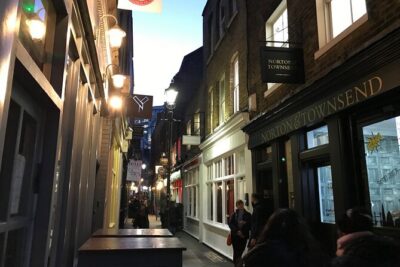

Jack the Ripper Tour with Immersive Ripper Vision
Read our review →
German Language : Original Jack the Ripper Tour
Read our review →Browse the lists this tour appears in