
REVIEW · LONDON GHOST TOURS
London: Jack the Ripper Walking Tour with an App
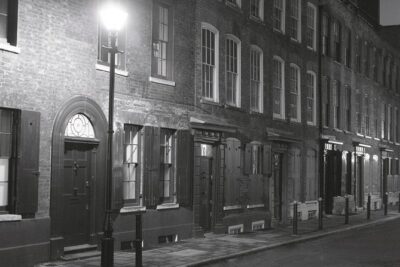
The most compelling part of this three-hour Whitechapel walk is its route through ordinary streets linked to the Jack the Ripper case. You pass pubs, markets, passages, and former crime scenes rather than simply hearing the story in a room. I like the freedom to stop, replay, or slow down, and I like that the tour points out less obvious places such as Saint James’s Passage and Henriques Street. The main drawback is that the app depends on GPS and a charged phone, so navigation may not always feel smooth.
At $12 per person, this is a low-cost way to see a large slice of East London. I especially like the chance to combine the darker story with Brick Lane, Spitalfields Market, and old streets that still form part of daily London life. The narration is available in six languages, but the German and French versions have been described as awkward automatic translations, so English may be the safest choice if you understand it well.
Key points before you follow the route
- The walk covers more than 40 narration points: You get a long route through Whitechapel, not just a few famous murder sites.
- The Frying Pan Pub anchors the early story: This is presented as a place where victims were last seen, giving the walk a strong human connection.
- Mitre Square is the key crime-scene stop: The audio focuses on one of the case’s most notorious murders.
- The app lets you control the pace: Start, pause, replay, and rewind sections as you walk.
- You need your own phone and headphones: Download the app and tour over Wi-Fi before setting out.
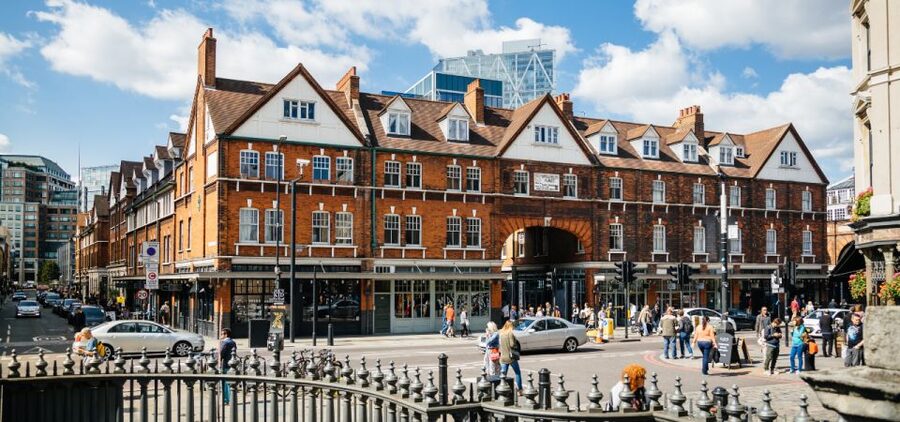
- The route mixes grim history with living London: Brick Lane, Spitalfields Market, and local pubs keep the walk connected to the modern city.
Whitechapel at street level, not behind glass
This tour works because it places the Jack the Ripper story in the actual streets of Whitechapel. You are not just looking at old photographs or reading dates on a display. You move through Gunthorpe Street, Brick Lane, Hanbury Street, and Mitre Square while the app explains why each location matters.
That setting also gives the tour a useful sense of scale. The names in the case can blur together when you hear them indoors. Walking from one stop to the next helps you understand how the neighborhoods connected, where markets and pubs sat, and how much of the route can be covered in one afternoon.
The mood is not polished or theatrical. This is a self-guided audio walk through active city streets. Traffic, pedestrians, shops, and pub noise are part of the experience. That can weaken the spooky atmosphere, but it also keeps the subject grounded. You are seeing a real neighborhood rather than a purpose-built attraction.
The tour lasts about three hours, though your exact time will depend on how often you pause, look around, or stop for a drink. The route includes more than 40 narration points, so you should expect a steady amount of listening. Some points mainly help you find the next street, while others explain the case or the area in more detail.
More Jack the Ripper tours in London:
- London: The Original Jack the Ripper Walking Tour
★ 4.7 · 7,833 reviews - London Jack the Ripper Guided Tour with Ripper-Vision
★ 4.5 · 4,840 reviews - London: Jack the Ripper Small Group Tour
★ 4.7 · 3,159 reviews
Starting on Gunthorpe Street and Flower and Dean Walk
The route begins on Gunthorpe Street, described as a quiet road within the old Whitechapel setting. From there, you continue toward Flower and Dean Walk and Osborn Street, where the narration explains the older housing and street pattern.
These opening stops are useful because they establish the social setting around the crimes. You hear about streets that once looked very different from the London you see today, with older buildings and working-class housing shaping the area. The app uses these points to build the background before reaching the better-known sites.
Do not expect every stop to be visually dramatic. Some streets have changed greatly, and the significance comes mainly from the narration. This is where the app’s detailed route matters. It gives you a reason to notice places that might otherwise look like ordinary city blocks.
The route also uses several points to guide you from one area to the next. That helps with orientation, but the number of directions can feel repetitive. If you already know Whitechapel, some of these sections may seem like padding. If you are new to the district, they make the route easier to follow.
Brick Lane, the Frying Pan Pub, and the early case
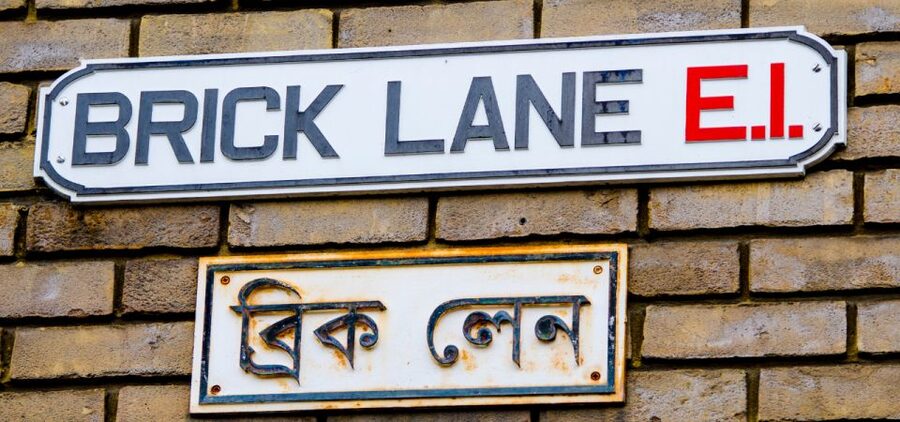
Brick Lane is one of the livelier sections of the walk. The street is busy today, with food shops, restaurants, and market activity, but the audio connects it to the older East End setting. This contrast is one of the tour’s strengths. You can hear about the past while standing in a street that remains a practical part of London life.
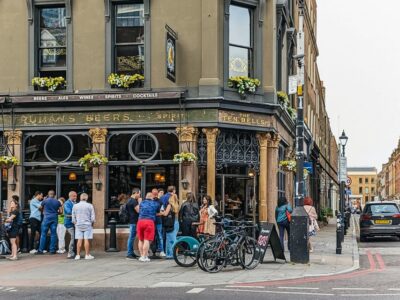
The Frying Pan Pub is an important early stop. The tour presents it as a place where victims were last seen, which gives the story a direct connection to a specific building rather than an abstract street name. The pub also offers a sensible point for a short break. One useful detail is that stopping at a pub can give you a chance to recharge your phone, since the app uses a fair amount of battery.
You should treat the pub stop as part of the route, not as an included visit. There is no entry fee included, and the tour does not provide a live guide or arranged meal. You can pause the audio, look at the area, and decide for yourself how long to stay.
Headphones are a good idea here. Brick Lane and the surrounding roads can be noisy, and the narration may be hard to hear over traffic and street activity. The app is designed to play automatically as you reach locations, but headphones make the experience more reliable.
Old Mortuary Street, Durward Street, and the former institutions
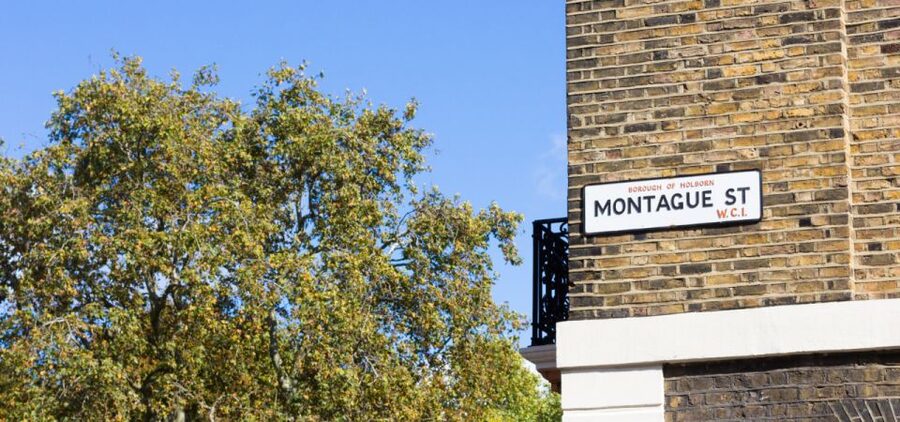
The next section takes you through Old Mortuary Street and Durward Street, two names that carry much of the tour’s darker tone. The narration uses these streets to discuss places where disturbing events took place and to explain how the district functioned in the late nineteenth century.
You also pass the Old Board School and the Working Lads Institute. These stops broaden the subject beyond the murders. They show the institutions that shaped local life and help explain the social world around the case. That extra context is useful because a tour made up only of crime scenes can become repetitive.
The Wood’s Building entrance is another smaller point along the route. Like several other locations, it may not look remarkable at first glance. The value is in knowing why the entrance matters and how it fits into the route.
The app’s detail is a benefit for people who like a full account. It also means you should not expect a quick walk. The three-hour estimate is realistic for a route with this many stops, especially if you stop to orient yourself or listen to sections again.
More self-guided tours in London:
- Haunted London: Ghost Hunt Self-Guided Walking Adventure
★ 3.5 · 13 reviews - Wicked Whitechapel: Where Now’s Jack The Ripper Audio Tour
★ 5.0 · 2 reviews - Self-Guided Audio Tour-Behind the shadow of evil: Jack the Ripper
★ 4.0 · 2 reviews - RIPPERTRAIL: Hunt for Jack the Ripper (Self-Guided History Walk)
★ 5.0 · 2 reviews
29 Hanbury Street and Wilkes Street
At 29 Hanbury Street, the audio focuses on another important event in the case. This is one of the stops where the location itself carries more weight than its present appearance. You may see a modern street scene, while the narration asks you to picture the older buildings and conditions that once occupied the area.
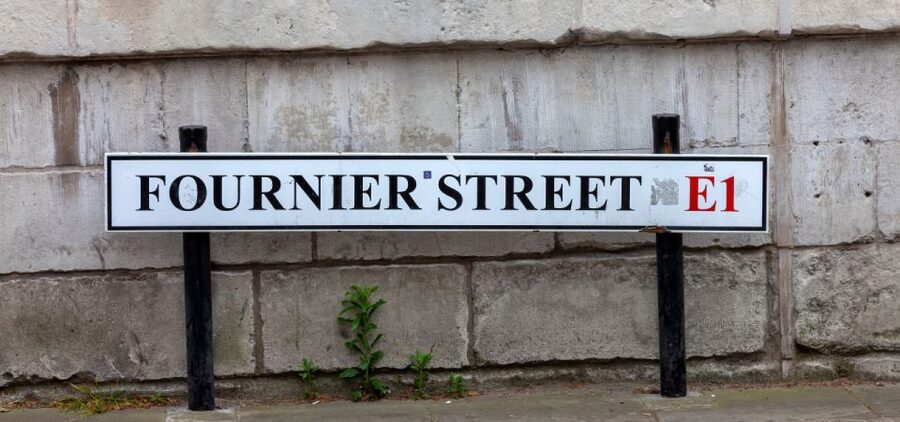
Wilkes Street and Fournier Street lead you toward Spitalfields. These streets offer a change of texture from the more commercial parts of Brick Lane. The route becomes a useful walking tour of the district as well as a Jack the Ripper tour.
That combination is important for value. For $12, you are not paying only for a murder-story soundtrack. You are also getting a self-guided look at several connected parts of Whitechapel and Spitalfields. If you are already planning to visit Brick Lane or Spitalfields Market, the audio gives those stops a historical frame.
The route can feel crowded and distracting in this part of London. Keep your attention on crossings and other pedestrians instead of staring at the phone. The app’s automatic playback is helpful, but you should still check where you are before moving on.
Ten Bells Spitalfields Pub and Spitalfields Market
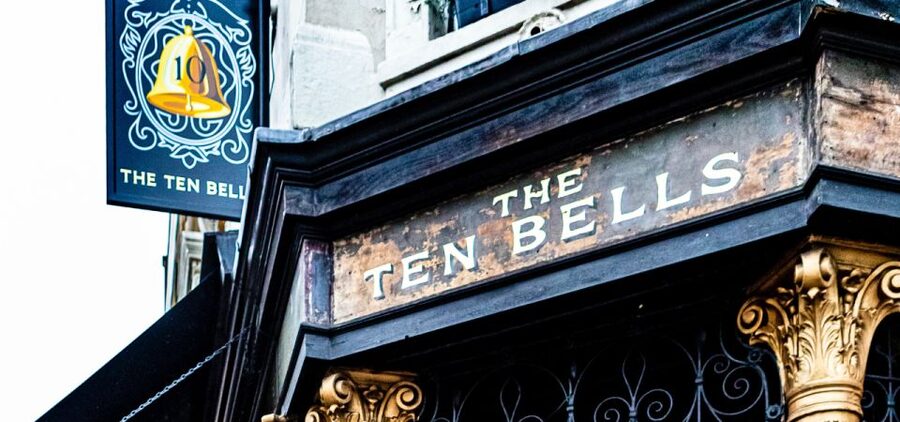
Ten Bells Spitalfields Pub is one of the best-known stops on the route. It is presented as a very old pub connected to the story, making it a natural place to pause and let the details settle.
The tour then reaches Spitalfields Market. This is a valuable contrast to the grim subject matter. Markets have long been part of the area’s identity, and the stop gives you a chance to see a public place rather than another enclosed passage or former crime location.
You can use this part of the walk to reset your pace. The app allows you to stop and restart the narration, so you do not need to hurry through the market. If you want to browse or take a short break, pause the tour rather than letting the next recording play while you are distracted.
The market also makes this tour easier to fit into a wider day in East London. You can continue exploring nearby streets after the audio ends, though the tour itself finishes farther south and west on the route. The supplied details do not promise an arranged return to the starting point, so plan your time with the ending in mind.
Queen’s Head Pub, Princess Alice Pub, and Henriques Street
The route includes short breaks at the Queen’s Head Pub and Princess Alice Pub. These stops help divide the long walk into manageable sections. They also offer a practical chance to rest, though drinks and any purchases are your responsibility.
Henriques Street brings the story back to a specific crime scene and introduces the account of Catherine Eddowes. This is one of the points where the tour becomes more focused on individual victims. That matters because the subject can otherwise turn into a list of dates, names, and locations.
I appreciate this part of the route for its balance between human detail and physical place. You are not only hearing about a famous criminal mystery. You are also being directed to streets associated with particular women whose lives have often been reduced to case notes.
The tone is necessarily grim. This experience will not suit you if you want a light sightseeing walk or if crime stories make you uncomfortable. The app presents the subject in simple, easy-to-follow language, but the material itself remains disturbing.
Saint James’s Passage and Mitre Square
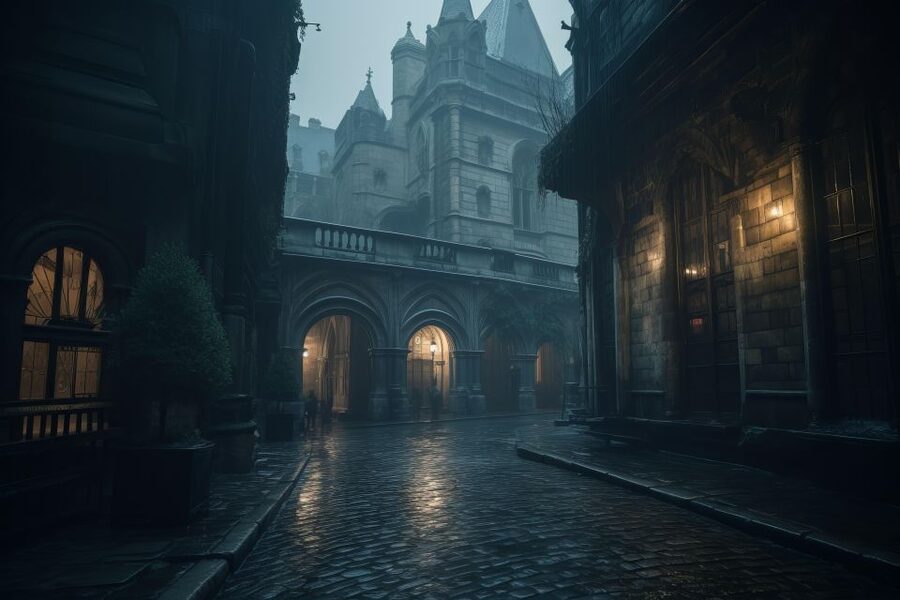
Saint James’s Passage is one of the more atmospheric locations on the route. Narrow passages can make the setting feel removed from the broad streets around Brick Lane, even though you are still in central East London. The app uses this stop to explain another part of the Ripper story.
Mitre Square is the major stop in this section and one of the tour’s most important locations. It is linked to the murder of Catherine Eddowes, and the narration gives the place a central role in the case.
This is likely to be the point where the tour feels most focused. The earlier stops have built the setting, introduced the streets, and explained the people involved. At Mitre Square, those threads come together in a clearly identified location.
You should not expect the square to look exactly as it did at the time of the murder. The value comes from standing in the same general place and hearing the explanation of what happened there. If you want a traditional guided experience with a person pointing out details in real time, this app cannot replace that. Its strength is giving you privacy and control over the pace.
The Workhouse and 13 Millers Court
The Workhouse is another stop that shifts the focus from individual events to the conditions of the period. The narration uses it as part of the wider story of poverty and hardship in the area. This helps explain why pubs, lodging houses, markets, and charitable institutions matter so much in the route.
At 13 Millers Court, the audio turns to Mary Jane Kelly. This is described as the place where something tragic happened to her and forms one of the final major crime-related stops.
As with other addresses on the tour, the present-day location may not provide a dramatic visual display. You are relying on the spoken account to connect the address with the past. That is normal for a walking route through a working city, but it is worth knowing before you book.
The section can also feel heavy after several hours of similar subject matter. Use the pause function when you need a break. You can replay a section later, so there is no need to force yourself to listen while tired or distracted.
Ending at the White Hart Pub
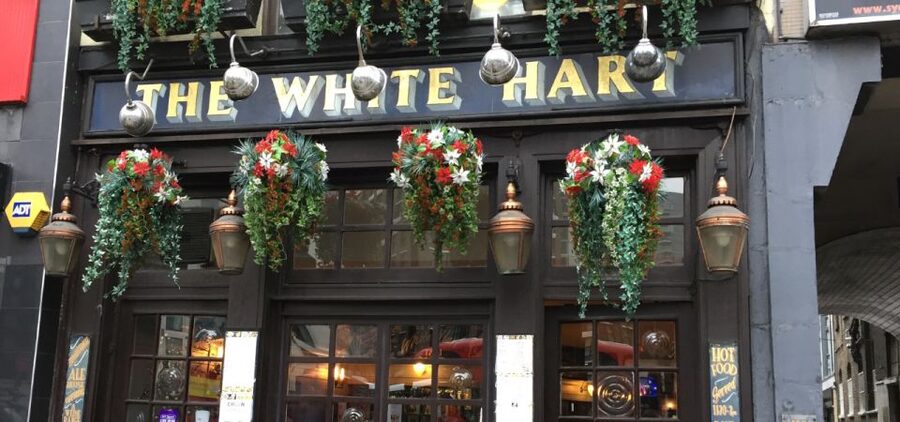
The tour ends at the White Hart Pub, a location described as being full of secrets. Ending at a pub gives the route a natural stopping point after the long walk. It also leaves you with somewhere to pause before deciding what to do next.
Because there is no in-person guide, the ending is not a formal group farewell. The app simply completes the route and narration. That is convenient if you want to continue exploring, but it lacks the personal recommendations you might get from a local guide.
The final pub stop also reinforces the importance of power management. The application can use a lot of battery during three hours of GPS tracking and audio playback. Start with a fully charged phone, download the tour over Wi-Fi, and consider bringing a portable charger if you have one.
App performance, languages, and practical comfort
The app is the heart of this experience, so its strengths and limits matter more than they would on a standard guided walk. The best feature is control. You can start, stop, replay, and rewind the recordings, and the stories are designed to play automatically as you move along the route.
The automatic playback makes the walk fairly intuitive when GPS is working well. One user found the route easy to follow through the busy streets, while another reported that the GPS sometimes reacted slowly and made it unclear where to go next. You should download the route in advance and allow a little patience when the location signal catches up.
The audio is offered in English, German, French, Spanish, Chinese, and Italian. The English version is the safest choice if you want the smoothest narration. The French and German versions have been described as automatic translations, with some awkward wording and even street names translated in ways that make them difficult to identify.
Bring:
- A fully charged smartphone
- The downloaded app and tour
- Headphones
- Comfortable shoes
- A power bank if available
The tour does not include entry fees, a live guide, food, or drinks. Since the route uses public streets, most of the value comes from the narration and directions rather than access to buildings.
Is $12 a fair price for three hours?
At $12, the price is attractive if you want a low-cost way to explore Whitechapel. A three-hour route with more than 40 audio points gives you a good amount of content for the money, especially if you enjoy walking and can manage the app yourself.
The value drops if you expect a polished production or a personal guide. Some audio points are mainly directional, and one assessment found too many stops repetitive. The app also received a mixed overall score of 3.7 from 11 ratings, which reflects the gap between strong content and uneven technical or translation quality.
For an independent visitor, the ability to pause and replay is worth real money. You can take a break at a pub, browse Spitalfields Market, or slow down when a location interests you. A fixed group tour may be better if you want a person answering questions and keeping the route moving.
Free cancellation up to 24 hours before the start and the option to reserve now and pay later add flexibility. The main thing you are risking is not a large booking fee, but your time and phone battery.
Who should book this Whitechapel audio walk?
I would recommend it to you if you like walking tours, historical crime stories, and the freedom to set your own pace. It is also a practical pick if you want to see Brick Lane, Spitalfields, Mitre Square, and several less familiar streets in one outing.
It suits independent visitors more than people who want social interaction. You will not have a live guide to answer questions or adjust the route. You need to follow directions, monitor the app, and stay alert in busy streets.
Families should consider the subject matter carefully. The language is described as simple and easy to understand, but the murders and descriptions are disturbing. It is better for adults and older teenagers who already know what kind of story they are choosing.
Should you book it?
Book this tour if you want an inexpensive, detailed walk through Whitechapel and you are comfortable using your own phone. The best parts are the broad route, the specific places, the control over playback, and the way the story connects pubs, markets, streets, and crime scenes.
Skip it if you need flawless GPS, natural translations in German or French, or a live guide. For the best experience, choose English if possible, download everything over Wi-Fi, wear headphones, begin with a full battery, and leave enough time for the full three-hour route. At $12, it is a reasonable choice for a self-guided introduction to the Jack the Ripper sites, as long as you treat it as an app-led walk rather than a polished theatrical attraction.
FAQ
How long does the Jack the Ripper walking tour take?
The tour lasts about three hours. You can pause the audio or stop along the way, so your total time may vary.
Is there an in-person guide?
No. The experience provides access to an audio tour through the Trippy Tour Guide app. You follow the route yourself using the app’s directions and automatic audio playback.
What languages are available?
The audio guide is available in English, German, French, Spanish, Chinese, and Italian.
What do I need to bring?
Bring a charged smartphone and download the app and tour using Wi-Fi before you begin. Headphones are also useful because the route passes through busy streets.
Can I pause or replay the audio?
Yes. You can start, stop, replay, and rewind the recordings. Stories are designed to play automatically as you reach the relevant locations.
What is included in the $12 price?
The price includes access to the app-based walking tour, more than 40 narration points, and directions to major and less familiar locations. Entry fees, food, drinks, and an in-person guide are not included.
More Walking Tours in London
- London Jack The Ripper Guided Walking Tour
★ 5.0 · 3,131 reviews - London: Jack the Ripper Evening Walking Tour
★ 4.9 · 1,449 reviews - London: Ghost Walk and River Thames Boat Ride
★ 4.5 · 1,251 reviews - London Jack The Ripper Small-Group Walking Tour
★ 5.0 · 1,013 reviews
Just added around London
- Wicked Whitechapel: Where Now’s Jack The Ripper Audio Tour★ 5.0 · 2 reviews
- Ghosts, Gore & Other Ghasty Stories in the City of London★ 5.0 · 7 reviews
- Visit Jack the Ripper in French★ 5.0 · 33 reviews
- The Ghosts of the secret alleyways of old London town★ 5.0 · 2 reviews
- The Haunted Pubs of Old London: Small Group Tour★ 5.0 · 38 reviews
- Afternoon Jack the Ripper : Guided Tour★ 5.0 · 183 reviews
- The Fading Light London Ghost Walk★ 5.0 · 35 reviews
- Self-Guided Audio Tour-Behind the shadow of evil: Jack the Ripper★ 4.0 · 2 reviews
London Ghost Tours, compared.

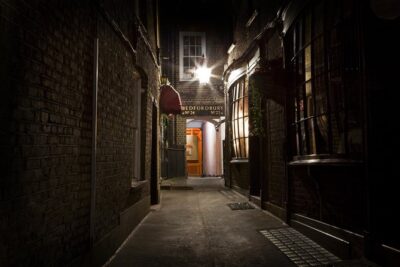
London Jack the Ripper Guided Tour with Ripper-Vision
Read our review →
Ghost, Ghouls and Gallows Tour : Guided Tour with Boat Ride
Read our review →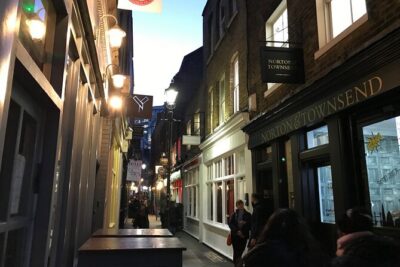

Jack the Ripper Tour with Immersive Ripper Vision
Read our review →
German Language : Original Jack the Ripper Tour
Read our review →Browse the lists this tour appears in