
REVIEW · DARK HISTORY & TRUE CRIME TOURS
Dark Side of Hong Kong – Kowloon Caged Homes Walking Tour
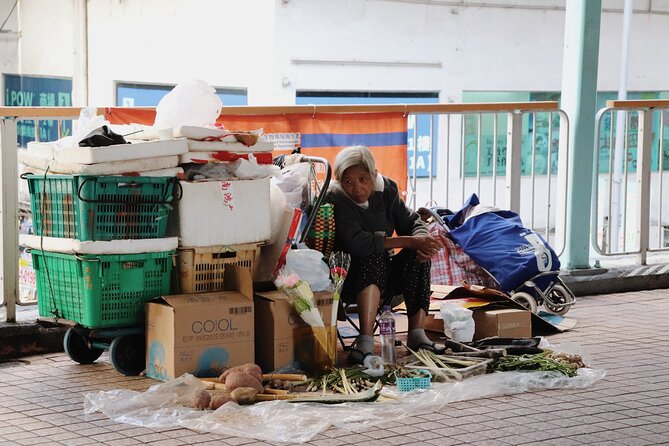
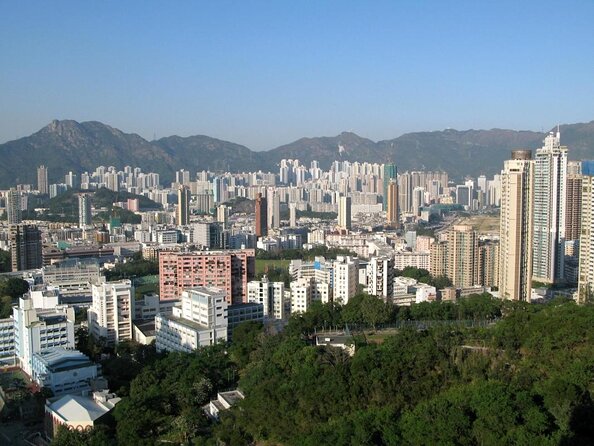
Hong Kong’s polished skyline tells only half the story. This walking tour takes you through Kowloon’s Sham Shui Po and Prince Edward districts, where crowded buildings, subdivided flats, rooftop structures, and low-income neighborhoods reveal how sharply life can differ from the city’s luxury image. The focus is housing, not sightseeing.
I like the tour’s clear connection between what you see and why it exists. You learn how land shortages, postwar population growth, and Hong Kong’s economic model helped create today’s housing crisis. I also like the human touch from guides such as Alice, Isaac, Grace, and Summer, who explain the issue in plain English and take questions seriously.
The main drawback is that you do not visit an occupied cage home. The small flat is a staged display, and much of the experience takes place outdoors on ordinary streets. If you expect a dramatic attraction, $32.82 may feel high. If you want a thoughtful look at modern Hong Kong, the price is easier to justify.
Key points to know before you book
- A housing lesson on foot: The route links Hong Kong’s cramped homes to land scarcity, population growth, and property prices.
- The 100-square-foot display flat: You can see how a tiny unit may combine a bed, kitchen, and living space, but it is not an occupied home.
- Sham Shui Po beyond the postcards: Markets, backstreets, rooftop structures, and dense apartment blocks provide the setting.
- Guides make the difference: Alice, Isaac, Grace, Summer, Wind, and others have been praised for clear explanations and thoughtful answers.
- A serious two-hour outing: This is not an upbeat sightseeing walk. The subject is difficult, and the pace centers on discussion.
- Easy urban meeting point: You start at 11:00 a.m. near Prince Edward on Nathan Road and finish at Sham Shui Po MTR Station.
Why this Kowloon walk feels different
Many Hong Kong tours point you toward Victoria Harbour, temples, markets, or skyscraper views. This one asks you to pay attention to the buildings people live in. The tour moves through streets where old tenements, small shops, low-income housing, and new apartment projects sit close together.
That contrast gives the experience its force. You may see expensive new apartments near buildings containing subdivided units, where a family’s usable space can be only a fraction of a normal flat. The point is not to treat hardship as a show. It is to understand the systems behind it and to recognize that low-income residents are working people, families, immigrants, and older residents, not just an abstract social problem.
The tour is led by a local guide, with names varying by departure. Alice, Isaac, Grace, Summer, Wind, Michael, and Simeone Lo have all led tours at different times. The strongest guides bring facts together with personal experience. At one stop, the guide discusses what it is like to search for housing in one of the world’s toughest property markets.
The experience carries a 4.8 out of 5 rating from 418 ratings, with 96 percent recommending it. That is a strong signal, but the subject matter matters more than the number. You should choose this walk because you want context and conversation, not because you want a polished attraction.
More dark history tours in the world:
- Adults-Only New Orleans Ghost, Crime, Voodoo, and Vampire Tour
★ 5.0 · 6,545 reviews - Edinburgh: Dark Secrets of the Old Town Ghost Walking Tour
★ 4.6 · 1,671 reviews - New Orleans Adults-Only True Crime and Ghost Walking Tour
★ 5.0 · 1,666 reviews
Starting near Prince Edward at 11:00 a.m.
The meeting point is on Nathan Road near Prince Edward. Your confirmation provides the exact instructions, and the tour ends at Sham Shui Po MTR Station rather than returning to the starting point. That makes the finish useful if you want to continue exploring Kowloon on your own.
The group can have up to 30 people. That is not a tiny private walk, so staying close to the guide will matter when the group is moving through narrow streets. A moderate level of fitness is expected. You will walk, stand, climb to a rooftop, and spend time outside, although some parts may take place indoors.
The 11:00 a.m. start gives you a full morning to reach Prince Edward. You will want comfortable shoes and water, especially in hot or humid weather. The route includes local streets rather than a controlled museum environment, so expect traffic, noise, and ordinary city conditions.
Cedar Street and the 500-square-foot problem
The opening stop on Cedar Street sets up the central fact of the tour. A typical 500-square-foot apartment can be divided into five units of roughly 100 square feet each. That sounds like a simple calculation, but seeing the buildings around you makes the numbers less abstract.
The guide explains why Hong Kong is often ranked as the world’s least affordable city. You are not given only a price statistic. You are shown how the pressure affects the shape of a home, the number of people sharing it, and the amount of private space available for sleeping, cooking, storing belongings, and raising children.
This is a good opening because it gives you a framework for the rest of the walk. Without it, a narrow corridor or crowded facade might look like a visual curiosity. With it, you begin to see the result of limited land and high demand.
Ki Lung Street and the forces behind the crisis
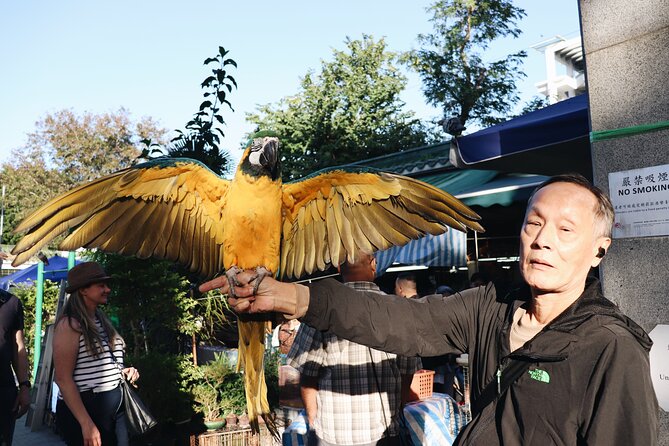
At Ki Lung Street, the discussion shifts from individual homes to the wider causes of the housing problem. The guide connects postwar population growth with scarce land and Hong Kong’s low-tax, capitalistic economic model.
This part will suit you if you enjoy economic and political context. The presentation is intended to be balanced and factual rather than a simple attack on one policy or one group. You learn how several forces work together, including the number of people needing housing, the restricted supply of land, and the cost of property.
The value here is interpretation. You are walking through a real district while learning why the buildings developed as they did. It is more useful than being shown a small room without any explanation of the decisions and pressures behind it.
More walking tours in the world:
- History and Hauntings of Salem Guided Walking Tour
★ 5.0 · 14,564 reviews - New Orleans Premier Ghost, Voodoo and Vampire Walking Tour
★ 4.5 · 12,856 reviews - Chicago: Gangsters and Ghosts Walking Tour
★ 5.0 · 7,155 reviews - Prague: Ghost Walking Tour Where Legends Come To Life
★ 4.4 · 5,253 reviews
The staged 100-square-foot flat on Cedar Street
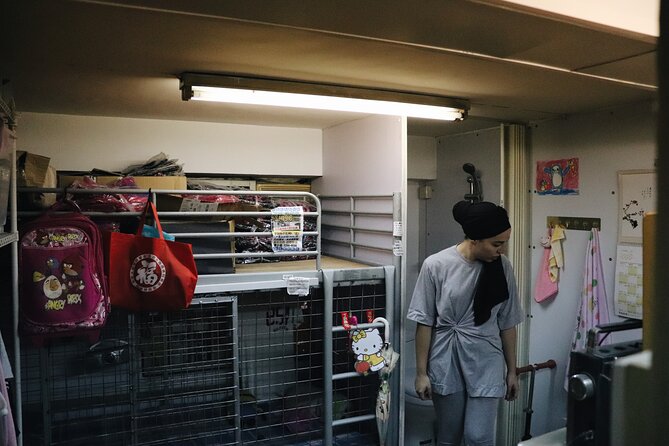
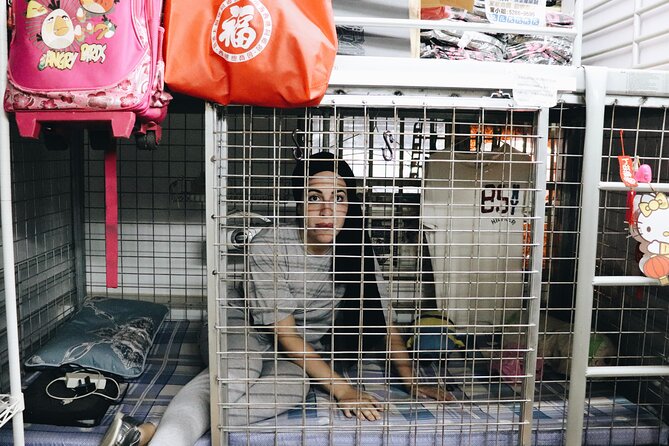
The most direct visual part of the tour comes when you enter a 100-square-foot subdivided flat. The display shows how a minimum-wage family might fit a kitchen, bed, and living area into a space that would feel extremely small to most visitors.
You also see a cage-home arrangement intended for one resident. This is the point where the tour becomes especially concrete. A cage is not presented as an unusual design choice. It is shown as a response to high housing costs and limited options.
It is important to set your expectations correctly. You are not entering an occupied cage home or meeting a resident inside a private flat. The unit is a staged display. Some people find that limitation disappointing, especially if they expect direct access to real homes. I see it as an ethical and practical boundary, but it also means the tour must rely on explanation and visible neighborhood conditions.
The display works best as a scale reference. Once you have stood inside a 100-square-foot space, the later discussion of subdivided flats becomes easier to picture. Still, it cannot show every reality of a lived-in home, including family tensions, storage problems, noise, or privacy.
Lui Seng Chun and the guide’s housing story
At Lui Seng Chun, the guide shares a firsthand account of dealing with Hong Kong’s property market. This is one of the tour’s more personal moments. Statistics explain the crisis, but a guide’s own experience helps you understand how housing affects ordinary decisions.
The guide may discuss the difficulty of finding suitable accommodation, the compromises people make, or the gap between wages and rent. The exact story depends on who leads your group. Alice, Isaac, Grace, and Summer have each been praised for answering questions carefully, while Wind and other guides have also received strong comments for making the subject approachable.
This stop is useful because it keeps the discussion from becoming too theoretical. The tour is not only about the poorest residents. It is also about how the housing market affects people who work, earn regular wages, and still struggle to find enough room.
Yee Kuk Street and the darker side of Sham Shui Po
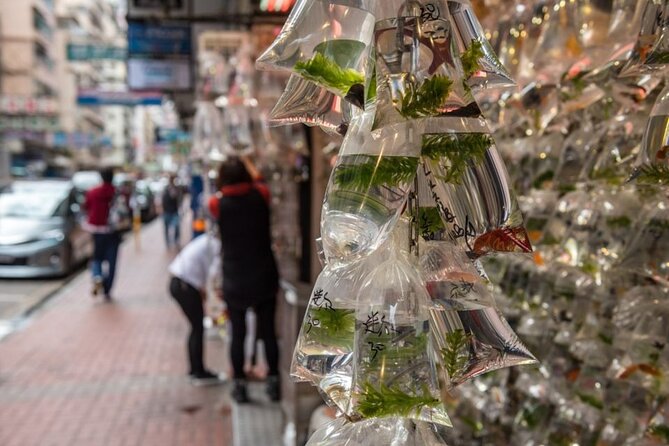
Yee Kuk Street brings a different subject into view. The guide points out parts of Sham Shui Po’s backstreets and discusses the illicit connections between the drug trade and sex trade.
This section may feel heavier than the housing discussion. It is not presented as entertainment, and you should not expect a staged crime tour. The purpose is to explain how vulnerable communities can be exposed to illegal activity and exploitation.
The backstreets also show why a walking route can teach more than a classroom talk. You are close to the ordinary shops, apartment blocks, and narrow lanes where social problems exist beside daily life. The setting is not separated from the city. It is part of the city.
Hai Tan Street and the sharpest contrast
At Hai Tan Street, the tour highlights new apartments priced around USD $1.5 million beside dense clusters of subdivided homes and cage units. This is probably the clearest visual contrast on the route.
You do not need a long lecture to understand the message. New development and cramped older housing can sit side by side, serving people with radically different incomes. The guide uses this contrast to explain wealth disparity and the uneven benefits of Hong Kong’s property market.
The stop is also a useful reminder that poverty in Hong Kong is not confined to a distant district. It can exist a few steps from expensive real estate. The city’s shiny image and its housing problems are not separate worlds. They overlap on the same streets.
Pei Ho Street and the rooftop view
On Pei Ho Street, the group climbs to a rooftop in central Sham Shui Po. From there, you can see rooftop structures and the dense arrangement of buildings below.
The rooftop visit gives you a wider view of the area. On street level, it is easy to focus on one storefront, doorway, or apartment facade. From above, you can better understand how tightly the neighborhood is packed and how little spare space exists.
This is also one of the tour’s more visual moments, making it appealing if you enjoy street photography. A guide such as Grace may point out small details that carry a larger story, from building additions to the way residents use shared or limited space. Ask before taking photographs of people or private areas. The subject calls for care.
Climbing to the rooftop is one reason the moderate fitness requirement matters. The route is not described as strenuous, but it is not fully flat or indoors.
Kweilin Street and possible answers
The last stop is on Kweilin Street, where you visit SoCO, a charity with 50 years of work advocating for marginalized people. The discussion turns toward possible solutions and the city’s future.
This is a welcome ending. A tour about severe housing problems can leave you feeling helpless if it only presents suffering. Here, the guide connects what you have seen with advocacy and policy questions. You may not receive a neat solution, because Hong Kong’s housing pressures are too large for one short walk to resolve, but you get a clearer idea of who is working on the problem.
The stop also puts the route into perspective. You have seen a staged unit, crowded streets, expensive new apartments, and rooftop structures. The charity visit asks what should happen next and how the city might better support people living on its margins.
How much value do you get for $32.82?
At $32.82 per person, this is not the cheapest way to spend two hours in Kowloon. You can walk through Sham Shui Po without paying anything, visit its markets independently, and observe the contrast between old and new buildings on your own.
The fee pays for structure, translation, local interpretation, and the guide’s ability to connect separate sights. Without a guide, you may notice the crowded buildings but miss the history of postwar growth, the economic choices, and the details of subdivided housing.
I consider the price fair if you are interested in urban issues, housing, economics, or social history. It is less convincing if you want a packed schedule of major attractions or a hands-on visit inside occupied homes. One short tour cannot provide a complete picture of Hong Kong’s housing system, but it can give you a strong starting point.
The mobile ticket is convenient, and confirmation is provided at booking. Hotel pickup and drop-off are not included. The tour requires good weather and may be canceled if the minimum group size is not met. If poor weather or low enrollment cancels the experience, you are offered another date or a full refund.
Who should take this walk?
I would choose this tour for a first or second visit when I wanted to understand how Hong Kong works beyond its famous skyline. It suits you if you enjoy asking questions, listening to local perspectives, and thinking about how cities are built.
It is also a good choice for older teenagers who can handle serious subject matter. One family found it worthwhile with a 16-year-old, but the tone is difficult at times. Parents should explain beforehand that the tour deals with poverty, exploitation, overcrowding, and unequal access to housing.
You may also enjoy it if you like photography. The district has strong street scenes, colorful shopfronts, crowded lanes, and unusual building details. Photography should never come before residents’ privacy, especially around homes.
I would skip it if your main goal is food tasting, shopping, or cheerful sightseeing. The walk includes traditional markets and local streets, but those are part of a social lesson rather than the central attraction.
Practical advice for a better experience
Read the tour description carefully before booking. The phrase caged homes can create an expectation that you will enter a real occupied unit. You will see a staged display and learn about the issue, but you will not tour someone’s private home.
Wear shoes suitable for city walking and rooftop access. Bring water for warm days. The route includes outdoor sections, even though some stops may offer indoor relief.
Keep your group small around the guide. With a maximum of 30 people, it may be harder to hear in narrow streets or near traffic. Arrive at the Prince Edward meeting point before 11:00 a.m., and remember that the walk finishes at Sham Shui Po MTR Station.
If the guide is Alice, Isaac, Grace, Summer, Wind, Michael, or Simeone Lo, expect the exact style to vary. The strongest part of the experience is the conversation, so prepare a few questions about rent, subdivided flats, public housing, or possible reforms.
Free cancellation is available up to 24 hours before the start time for a full refund. Changes or cancellations inside that window are not accepted, so check the local cut-off time before making plans.
Should you book the Dark Side of Hong Kong walk?
Book it if you want to see Hong Kong as a lived-in city rather than a collection of postcard views. The route offers a clear explanation of the housing crisis, strong visual contrasts, and access to a side of Kowloon that many visitors miss.
Do not book it expecting a real cage-home visit, a private encounter with residents, or nonstop sightseeing. The display flat is staged, the subject is serious, and some of the walk is simply moving through ordinary streets while the guide explains what you are seeing.
For $32.82, I think it is worthwhile for curious visitors who value context. The best guides, including Alice, Isaac, Grace, and Summer, turn a difficult subject into a careful, human lesson. If that sounds like your kind of travel, this is one of the more useful two hours you can spend in Kowloon.
FAQ
How long is the Dark Side of Hong Kong walking tour?
The experience lasts approximately two hours.
Where does the tour start?
It starts at 11:00 a.m. on Nathan Road near Prince Edward in Hong Kong.
Where does the tour end?
The tour ends in Sham Shui Po near Sham Shui Po MTR Station.
Will I enter a real occupied cage home?
No. The tour includes a staged 100-square-foot subdivided flat and shows a cage-home design, but it does not visit an occupied private home.
How many people can join the tour?
The maximum group size is 30 people.
What happens if the tour is canceled because of weather?
You will be offered another date or a full refund if poor weather causes the cancellation.
Just added around the world
- Zion: Harry Potter-Inspired Zion Ghost Tour with Sunset View★ 5.0 · 8 reviews
- Your evening in Venice – Legends&Ghosts&Aperitif★ 4.7 · 79 reviews
- York’s Haunted Heart : Ghost, Ghouls and Gallows★ 4.6 · 82 reviews
- York : Private Ghost Hunt★ 5.0 · 3 reviews
- Witches, Widows, & Wraiths: Wichita Ghost Tours★ 5.0 · 2 reviews
- Wraiths & Wicked Whispers: Wilmington Ghost Tour★ 4.2 · 25 reviews
- Witches, ghosts and executioners / Mystical North Hesse★ 4.4 · 4 reviews
- Wraiths of the West Texas Wind: El Paso Ghost Tour★ 4.5 · 9 reviews
Dark History & True Crime Tours, compared.
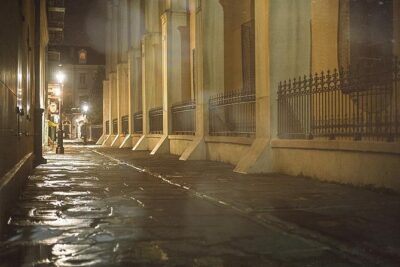
Adults-Only New Orleans Ghost, Crime, Voodoo, and Vampire Tour
Read our review →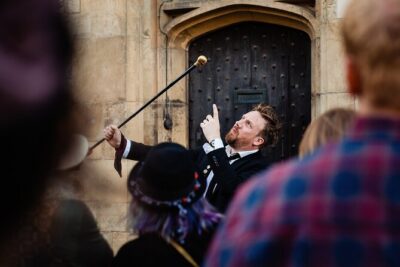
The Deathly Dark Tour of York: Experience of the Year 2024
Read our review →
The Dark Side of Florence: Mysteries and Legends
Read our review →
Dark Secrets of the Old Town Ghost Walking Tour
Read our review →
New Orleans Adults-Only True Crime and Ghost Walking Tour
Read our review →
Genteel and Bard’s Savannah Dark History and Ghost Encounter Walking Tour
Read our review →
Buda Castle District Dark History, Legends and Vampire Night Tour
Read our review →Browse the lists this tour appears in