
REVIEW · USA GHOST TOURS
Hilo: Walking Ghost Tour
Hilo’s ghost stories are not generic campfire tales. They draw on Hawaiian beliefs, Japanese traditions, tragic tidal waves, sacred mountains, and the town’s own long memory. I like that this two-hour walking tour treats the supernatural as part of Hilo’s culture, not just as a string of cheap scares.
I also like the small group, limited to 10 people, and the route through old Hilo rather than a bus ride past it. You get time to look at murals, storefronts, theaters, and civic buildings while your guide explains the spirits connected with them. The main drawback is simple: this is a rain-or-shine outdoor walk, so wet weather or cool evenings can affect your comfort.
Key points to know before you book
- Hawaiian and Japanese ghost traditions: Hear about ʻuhane, ʻaumakua, akualele, and local supernatural encounters from more than one cultural point of view.
- A walk through old Hilo: The route links the Wailuku River area with historic buildings, public spaces, and the Pacific Tsunami Museum.
- Merrie Monarch stories: The famous annual hula festival brings its own unusual tales and connections to Hilo’s spiritual side.
- A small group of 10: The format should make it easier to hear the guide and ask questions during the stops.
- A rain-or-shine activity: Bring comfortable shoes and warm clothing, and be ready for changing weather.
- A $64 experience: The price is reasonable if you want local storytelling and cultural context, but less so if you only want a quick scare.
Hilo’s ghost stories begin with place, not fiction
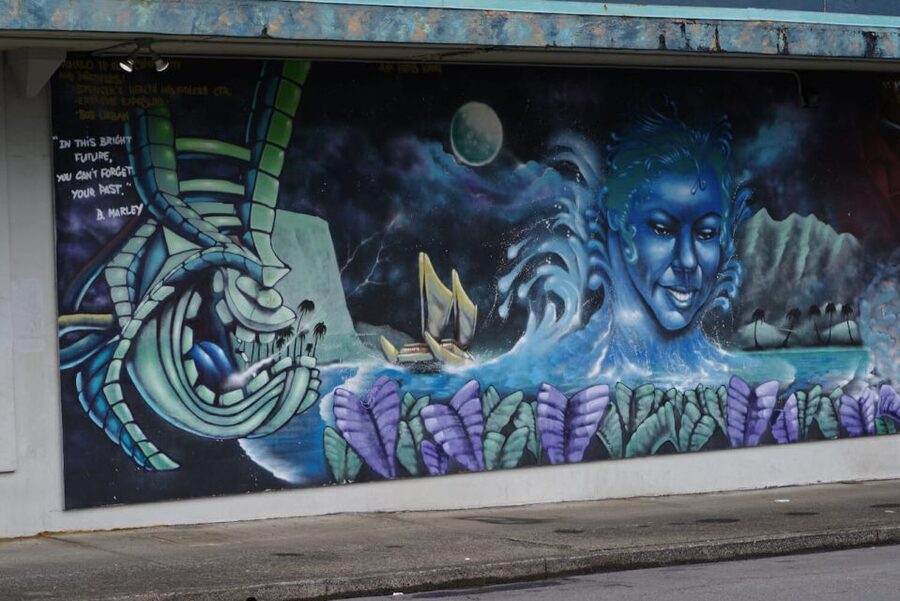
The best reason to take this tour is the setting. Hilo is a colorful old town with murals, historic storefronts, music venues, and buildings that still give the center a pre-World War II feel. You are not being driven to a purpose-built haunted attraction. You are walking through the town while learning how local people connect place, memory, family, death, and the unseen world.
The tour introduces several Hawaiian terms along the way. An ʻuhane is a wandering spirit. An ʻaumakua is an ancestor who has become a family god. An akualele is a mysterious fireball associated with curses and the dead. These ideas give the walk more substance than a standard list of supposedly haunted rooms.
You also hear Hawaiian and Japanese accounts of supernatural encounters. That matters in Hilo, where the tour presents paranormal stories through more than one cultural lens. The result should feel less like a horror performance and more like a guided look at the beliefs that have shaped the town.
The tour also discusses Mauna Kea, the sacred mountain whose spiritual importance reaches far beyond its physical presence. You do not need to be an expert in Hawaiian traditions to appreciate this part. It helps explain why places, mountains, ancestors, and natural forces can carry such strong meaning in local storytelling.
More Ghost Walking Tours in the USA
- Savannah History and Haunts Candlelit Ghost Walking Tour
★ 5.0 · 3,235 reviews - Asheville Night-Time Walking Ghost Tour
★ 4.5 · 2,053 reviews - New Orleans Adults-Only True Crime and Ghost Walking Tour
★ 5.0 · 1,666 reviews
Meeting near the Wailuku River and Day-Lum Properties
The meeting point is at the historical marker near Coldwell Banker DAY-LUM Properties, at 2 Kamehameha Avenue. This is a useful detail to handle before you arrive. Look for the historical marker rather than expecting a large tour booth or a vehicle with a sign.
The walk begins near the Wailuku River. Here, the guide may discuss a fierce sacred being called a moʻo, along with tragic events attributed to powerful supernatural forces. The river setting gives these stories a natural starting point. It also helps you understand how Hawaiian legends often connect spiritual beings with specific parts of the land.
The first stop at the Day-Lum Properties area is listed as a 10-minute visit and photo stop. That does not mean you spend the whole tour standing still. The experience is a walking route, so part of the time is spent moving between locations and taking in Hilo’s older streets.
I would arrive a little early. The tour does not include hotel pickup, and the meeting point is in town. If you are coming from elsewhere on the island, allow time to find parking or reach the area without rushing. The supplied information does not state parking arrangements, so you should check those separately before setting out.
The Pacific Tsunami Museum and Hilo’s wandering spirits
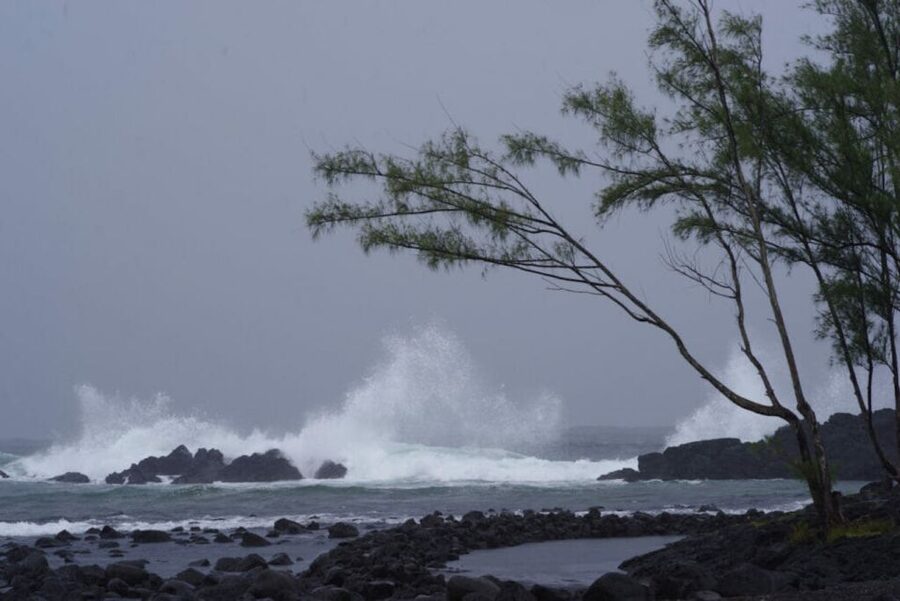
The Pacific Tsunami Museum is one of the most meaningful stops on the route. Here, the tour turns to the wandering spirits left behind by deadly tidal waves. The subject is serious, and it gives the ghost stories a human center.
This is where the experience is likely to feel different from a typical haunted walk. The stories are not only about mysterious sightings or strange sounds. They are also tied to real loss and the way communities remember people who died suddenly. The museum stop adds context to the idea of ʻuhane, or spirits who remain connected to the world of the living.
The scheduled visit lasts about 10 minutes. That is enough for an introduction, but not enough for a full museum visit. If you want to explore the Pacific Tsunami Museum in detail, plan a separate visit at another time. The walking tour uses the museum as one part of a larger story rather than treating it as the main attraction.
I like this stop because it asks you to listen carefully. Ghost tours can become silly when every old building is presented as proof of something supernatural. A story connected to natural disaster and community memory deserves a quieter approach.
Kress Building, Palace Theatre, and old Hilo streets
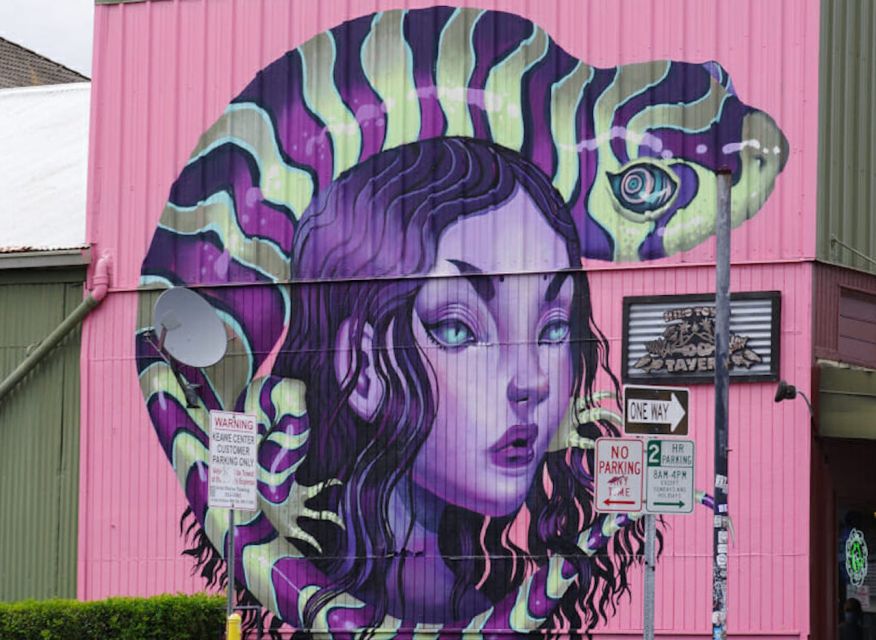
The route continues through several landmarks that show off Hilo’s old-town character. The Kress Building is one of the scheduled photo stops. The itinerary gives you about 10 minutes there, which should allow time to look at the building and hear the story connected with it.
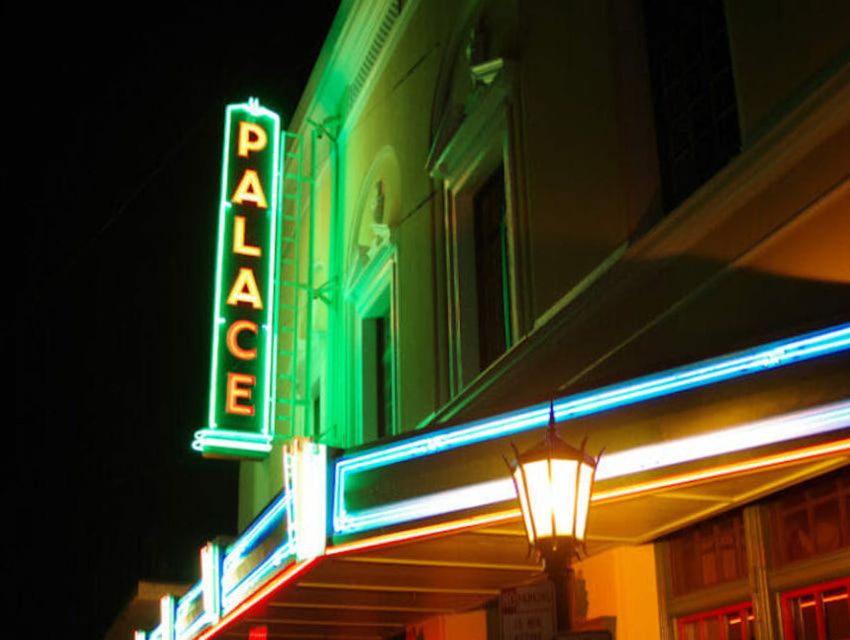
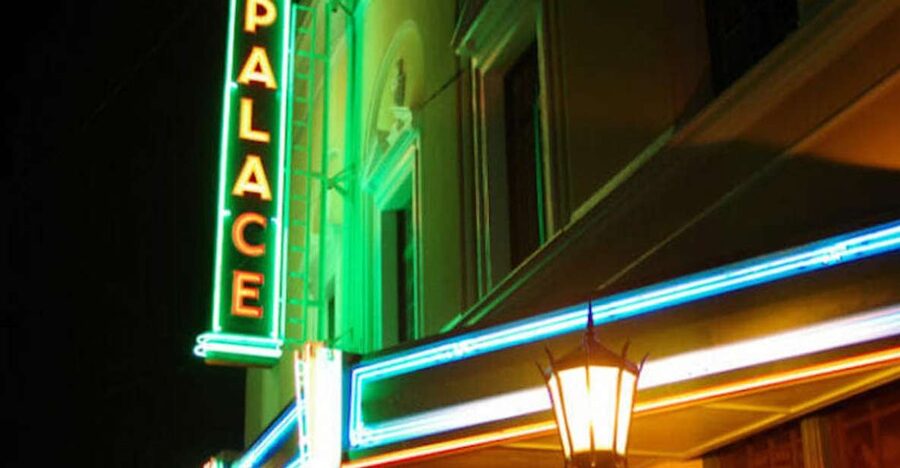
Next comes the Palace Theatre, Hilo’s historic theater. The stop adds a touch of old entertainment culture to the walk. The theater is also a good example of how paranormal stories often gather around places where generations of people have spent time together.
The tour then visits The Exhibit Gallery of Art and Events, along with Hilo Town Tavern. This section gives the walk a more local, everyday feel. Instead of moving only among famous landmarks, you are also passing through places that form part of Hilo’s social life.
You should expect stories and explanations at each location, not lengthy indoor visits. The published schedule lists each of these stops as a 10-minute photo stop and visit. That makes the pace manageable, but it also means the guide has to keep moving. If you prefer long periods to examine architecture or browse galleries, this tour may feel brisk.
The route’s charm comes from the combination of walking and storytelling. You get a chance to notice Hilo’s murals and storefronts, while the guide adds a second layer to places that might otherwise seem ordinary.
Same streets after dark, a different sort of fright:
- History and Hauntings of Salem Guided Walking Tour
★ 5.0 · 14,564 reviews - New Orleans Premier Ghost, Voodoo and Vampire Walking Tour
★ 4.5 · 12,856 reviews - Chicago: Gangsters and Ghosts Walking Tour
★ 5.0 · 7,155 reviews - Adults-Only New Orleans Ghost, Crime, Voodoo, and Vampire Tour
★ 5.0 · 6,545 reviews
Naha Stone and Kalakaua Park
The Naha Stone is another important stop. The supplied details do not explain the full story presented by the guide, so you should expect an introduction rather than a complete historical lecture. Its place on the route signals that the tour connects Hilo’s physical landmarks with older Hawaiian traditions and ideas about power, ancestry, and spiritual presence.
Kalakaua Park follows as another 10-minute stop. Public parks often work well on a walking ghost tour because they provide room for the guide to tell a longer story without blocking a narrow sidewalk. This is also one of the places where the tour’s focus on ʻuhane and ʻaumakua may make more sense as cultural teaching than as a simple fright show.
At both stops, listen for how the guide separates Hawaiian spiritual concepts from modern horror language. That distinction is important. The tour deals with sacred beings, ancestors, curses, and the dead, but the point is not necessarily to prove or disprove every tale.
The route is wheelchair accessible, which makes this a practical option for many visitors. Still, it remains an outdoor walking tour, and the details supplied do not describe every surface, slope, or restroom arrangement. If you need specific mobility information, ask the operator before booking.
Merrie Monarch tales and the spirit of Mauna Kea
Hilo’s annual Merrie Monarch Festival brings another special thread to the walk. The festival is one of the best-known cultural events associated with Hilo, and the tour includes strange stories connected with it. These tales help show how the supernatural can appear in modern community life, not only in old legends.
You will also hear about Mauna Kea and its sacred influence. The tour does not take you to the mountain, so this is a cultural and storytelling connection rather than a mountain excursion. That distinction matters when planning your day. You are learning why Mauna Kea has spiritual weight, not visiting its summit.
I like this part because it broadens the tour beyond haunted buildings. Hilo’s paranormal traditions are presented as connected to festivals, mountains, family ancestors, natural events, and local identity. You may come away with a better sense of how Hawaiian stories can function as teachings about respect and place.
The guide speaks English, and the tour is designed for a small group. A group of 10 is large enough to have energy but small enough that the guide can usually keep the conversation personal. One of the strongest details from the feedback is the repeated praise for the guide’s storytelling and knowledge of Hilo’s past. No individual guide name is provided, but the experience clearly depends heavily on the guide’s ability to explain both history and myth.
Finishing at Jackie Rey’s Ohana Grill
The tour ends at Jackie Rey’s Ohana Grill Hilo. The restaurant is described as a site connected with paranormal activity, so the final stop keeps the ghost theme alive right to the end.
You are not promised a meal, drink, or private restaurant experience. Food and hotel transportation are not included. Think of the restaurant as the endpoint for the walking route, and a possible place to continue your evening on your own if it suits your plans.
By the finish, the guide has introduced you to ʻuhane, ʻaumakua, akualele, moʻo, Mauna Kea, tsunami spirits, and Merrie Monarch stories. That is a lot of vocabulary for two hours, but it gives the walk a clear subject. The tour is about the many ways Hilo understands the unseen world.
The ending also works well logistically. You do not have to return to the starting point, which can be convenient if you plan to eat in town afterward. Check your own transportation plans, since the tour does not provide a ride back to your hotel.
Is $64 a fair price for two hours?
At $64 per person, this is not the cheapest way to spend an evening in Hilo. You are paying for a guided experience, not admission to a major attraction. The value depends on how much you enjoy local storytelling and cultural context.
I think the price is fair for someone who wants a focused, small-group introduction to Hilo’s ghost traditions. The tour visits several places, covers Hawaiian and Japanese accounts, and gives you a guide who can connect architecture, tragedy, sacred beliefs, and local events.
The value is weaker if you expect theatrical effects, actors, costumes, or a high-fright haunted house. Nothing in the description promises those features. This is a walking talk through town, with supernatural stories woven into Hilo’s past.
Free cancellation up to 24 hours before the start gives you some useful flexibility, and the reserve-now, pay-later option can help if your island schedule is still changing. The tour lasts two hours, but starting times vary, so check availability for your preferred date.
Weather, clothing, and who should take this walk
Hilo weather can change quickly, and this tour runs rain or shine. Bring comfortable shoes and warm clothing. A light rain layer would also be a sensible addition, although it is not specifically listed among the required items.
You should choose this experience if you enjoy:
- Local legends explained alongside town history
- A relaxed walking pace through older streets
- Hawaiian and Japanese perspectives on spirits
- Small groups rather than large coach tours
- Stories connected with real places and community memory
You may want to skip it if you dislike outdoor activities in poor weather or want a fast, frightening attraction. The walk has an educational side, and some stories involve death, disaster, curses, and grieving spirits.
Families and mixed-age groups may appreciate the short duration and accessible format, but the supernatural themes are not light in every section. Use your judgment if younger children are sensitive to stories about the dead or tragic events.
Should you book the Hilo Walking Ghost Tour?
Book it if you want to see Hilo after the usual sightseeing stops and hear how local beliefs shape the town’s stories. The strongest reasons are the small group, the walk through historic Hilo, and the range of subjects, from the Wailuku River and Mauna Kea to tsunami spirits and Merrie Monarch tales.
I would choose this tour early in a Hilo visit. It can give you useful context for places you pass later, including the Pacific Tsunami Museum, old storefronts, and central Hilo landmarks. Wear comfortable shoes, prepare for rain, and arrive at the Day-Lum Properties historical marker with enough time to get oriented.
Skip it if you want guaranteed scares or a fully indoor activity. Choose it if you prefer a thoughtful ghost walk that treats Hilo’s spiritual traditions as part of the town’s identity.
FAQ
How long is the Hilo Walking Ghost Tour?
The tour lasts two hours.
How much does the tour cost?
The price is $64 per person.
Where does the tour meet?
Meet at the historical marker near Day-Lum Properties, at 2 Kamehameha Avenue.
Where does the tour finish?
The tour ends at Jackie Rey’s Ohana Grill Hilo.
Is hotel pickup included?
No. Hotel pickup and drop-off are not included.
What language is the tour offered in?
The live guided tour is offered in English.
Is the tour wheelchair accessible?
Yes, the activity is listed as wheelchair accessible.
What should you bring?
Bring comfortable shoes and warm clothing. The tour takes place rain or shine.
More Walking Tours in the USA
- Ghosts of Charleston Night-Time Walking Tour with Unitarian Church Graveyard
★ 4.5 · 2,835 reviews - New Orleans Haunted Ghost, Voodoo & Vampire Walking Tour
★ 4.5 · 2,731 reviews - Savannah’s Ghost City “Dead of Night” Walking Night Tour
★ 4.5 · 2,482 reviews - Ghost and Vampire Walking Tour Of The French Quarter
★ 4.5 · 2,406 reviews
Just added around the USA
- Zion: Harry Potter-Inspired Zion Ghost Tour with Sunset View★ 5.0 · 8 reviews
- Witches, Widows, & Wraiths: Wichita Ghost Tours★ 5.0 · 2 reviews
- Wraiths & Wicked Whispers: Wilmington Ghost Tour★ 4.2 · 25 reviews
- Wraiths of the West Texas Wind: El Paso Ghost Tour★ 4.5 · 9 reviews
- Williamsburg: Haunted Ghosts, Witches, and Pirates Tour★ 4.5 · 107 reviews
- Wilmington: Boos and Booze Haunted Pub Crawl★ 4.0 · 8 reviews
- Williamsburg: Dead of Night Paranormal investigations Tour★ 5.0 · 4 reviews
- Williamsburg: Echoes of Twilight Late-Night Ghost Tour★ 4.6 · 13 reviews
USA Ghost Tours, compared.
History and Hauntings of Salem Guided Walking Tour
Read our review →
New Orleans Premier Ghost, Voodoo and Vampire Walking Tour
Read our review →

Adults-Only New Orleans Ghost, Crime, Voodoo, and Vampire Tour
Read our review →
Haunted Evening Horse and Carriage Tour of Charleston
Read our review →
New Orleans Adults-Only Ghost, Voodoo and Vampire Tour
Read our review →
Savannah History and Haunts Candlelit Ghost Walking Tour
Read our review →Browse the lists this tour appears in