
REVIEW · SEOUL GHOST TOURS
Seoul: Korea Dark History Tour at Seodaemun Prison
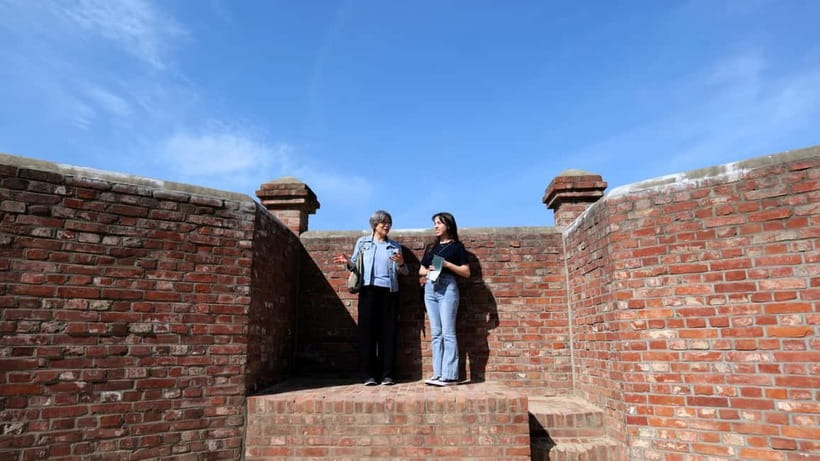
Seodaemun Prison is not a light sightseeing stop. It is a place where Korea’s fight for independence and democracy becomes personal, especially when you hear about young activists such as Yu Gwan-sun. I like that this tour links the prison with Dongnimmun Gate, so you begin with the idea of self-determination before entering the cells. I also like the small group size, capped at 10, which gives you room to ask questions. The main drawback is emotional: this is a serious, sometimes painful visit, not a cheerful break between palaces.
Guide Bae Jung-hui has earned especially strong praise for clear explanations, fluent English, and thoughtful answers. Wear good walking shoes, arrive ready to concentrate, and allow yourself time afterward to process what you have seen. At $31 per person, the price is fair because admission and a personal guide are included, though transportation and food are not.
Key points to know before you go
- The tour begins with Korea’s independence story at Dongnimmun Gate, a short but useful introduction before the prison visit.
- Most of the two hours are spent inside Seodaemun Prison History Hall, where the preserved spaces give the subject real weight.
- Yu Gwan-sun’s story adds a personal focus, showing how a 17-year-old student became a symbol of courage.
- The group is limited to 10 people, making it easier to hear the guide and ask direct questions.
- English and Japanese tours are available, with Japanese offered as an option.
- The subject matter can be emotionally intense, and the tour is not suitable for wheelchair users.
Why Seodaemun Prison belongs on a Seoul history list
Seoul offers plenty of polished palace courtyards, shopping streets, and modern attractions. Seodaemun Prison gives you something different: a direct look at the struggles that helped shape present-day Korea.
The visit focuses on Korea’s path toward independence and democracy. Rather than treating history as a list of dates, the guide connects the buildings with the people who were detained, punished, and remembered. That personal approach matters. It helps you understand that national history is made up of individual choices, fears, sacrifices, and acts of courage.
I find the prison especially valuable if you are visiting Korea for the first time and want context beyond food, pop culture, and royal history. The tour gives you a clearer sense of how Korean identity was shaped through resistance and hardship.
This is also a good choice if you prefer a guide-led visit to reading wall panels on your own. The prison can be seen without a tour, but the meaning of each space may not be obvious. Your guide places the buildings in order and points out the important details, so the visit has a clear thread from beginning to end.
More haunted jails and asylums in the world:
- Charleston Haunted Jail Night-Time Walking Tour with Admission to Old City Jail
★ 4.5 · 570 reviews - Adelaide: Ghosts, Dark Secrets and Paranormal Hunt Gaol Tour
★ 3.9 · 93 reviews - Adelaide Gaol Ghost Tour and Paranormal Investigation
★ 4.0 · 66 reviews
Starting at Dongnimmun Gate
The tour begins at one of two listed meeting points, 102-55 or 102-6. Check the exact option you booked before setting out, since the meeting point can vary.
The first stop is Dongnimmun Gate, also known as Independence Gate. You spend about 20 minutes here with the guide. This is a short opening section, but it gives the tour a useful starting point. The gate represents Korea’s desire for self-determination, and its symbolism helps frame everything that follows.
I like beginning here because the prison does not appear in isolation. You first consider the idea of national independence, then walk into a site connected with the people who fought for it. That shift gives the tour a stronger shape than a simple prison visit.
Do not expect a long architectural study at the gate. Twenty minutes is enough for an introduction and explanation, not an extended sightseeing stop. The real detail comes later at Seodaemun Prison History Hall.
The walking route is short enough to be manageable for most visitors who are comfortable on their feet, but you should still wear walking shoes. The experience is not suitable for wheelchair users, so accessibility needs careful thought before booking.
Entering Seodaemun Prison History Hall
The prison section lasts about 100 minutes, making up most of the two-hour experience. Admission is included, so you do not need to arrange a separate entrance ticket.
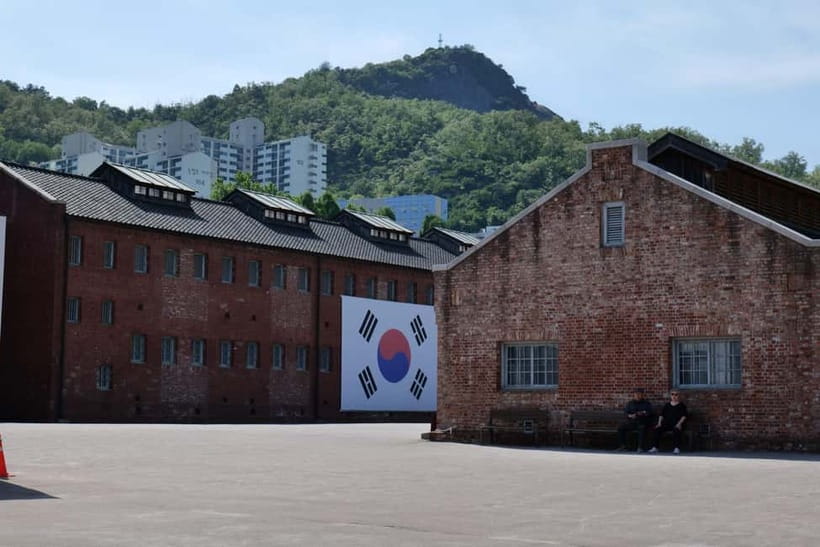
This is where the tour becomes more intense. You move through preserved prison spaces and learn about the activists held there. The physical setting gives the guide’s stories a force that a classroom or museum display cannot quite match. You are not only hearing about imprisonment. You are looking at the cells and rooms connected with that history.
The guide helps you understand what you are seeing and keeps the visit in historical order. That matters because the subject can become confusing if you only look at separate rooms and displays. A strong guide ties the pieces together and explains why each part is important.
The experience is not designed to entertain you in the usual sightseeing sense. Some visitors may find the prison’s displays and stories difficult. That is part of its value, but it also means you should not schedule it when you want a carefree afternoon.
The story of Yu Gwan-sun
One of the tour’s most memorable human stories is that of Yu Gwan-sun, a 17-year-old student who became a national symbol of courage.
Her story gives the wider subject a face and an age. It is easier to understand the scale of Korea’s struggle when you consider the choices made by someone so young. The guide uses her experience to show how courage was not limited to famous political leaders or military figures.
I find this kind of storytelling more useful than a long list of names. You may forget a date, but the image of a teenage student facing repression is likely to remain with you. It also gives the tour emotional balance. The prison is not only about suffering. It is also about conviction, bravery, and the power of an individual example.
Because the experience deals with real violence and sacrifice, you should approach it with respect. Families and older children may find the subject meaningful, but the tour is not described as a children’s activity, and the emotional tone may be too heavy for very young visitors.
More dark history tours in the world:
- Adults-Only New Orleans Ghost, Crime, Voodoo, and Vampire Tour
★ 5.0 · 6,545 reviews - Edinburgh: Dark Secrets of the Old Town Ghost Walking Tour
★ 4.6 · 1,671 reviews - New Orleans Adults-Only True Crime and Ghost Walking Tour
★ 5.0 · 1,666 reviews - Genteel and Bard’s Savannah Dark History and Ghost Encounter Walking Tour
★ 5.0 · 1,546 reviews
What the guide adds to the visit
The guide is the main reason to choose this experience rather than simply entering the prison on your own. You receive a guided explanation in English or Japanese, and the small group gives the visit a more personal feel.
Bae Jung-hui is specifically praised for welcoming visitors warmly, explaining difficult material clearly, and answering questions in detail. Her English has also been described as impressive. That combination is useful here because the subject includes historical terms, dates, people, and political changes that can be hard to follow without help.
A guide who welcomes questions can also give you perspective instead of only reciting prepared information. Several comments about the experience point to the value of asking questions, especially when you want to understand the sequence of events or the meaning behind a particular place.
The group limit of 10 is another practical advantage. You are less likely to lose the guide’s voice, and you have a better chance of asking something without holding up a large crowd. On a quiet day, the group may be smaller. One booking even had only two participants, which created an unusually personal visit, though you should not assume that will happen every time.
The tour is conducted in English, with Japanese available as an option. If language matters to you, confirm the option at booking rather than assuming both languages will be used together throughout.
Two hours used well
The timing is sensible. About 20 minutes at Dongnimmun Gate gives you context, while 100 minutes inside the prison leaves enough room for explanation and reflection.
A two-hour tour also fits well into a Seoul day. You can place it alongside other nearby plans without giving up an entire morning or afternoon. Still, do not treat it as a rushed photo stop. The subject rewards attention, and the prison portion may feel full because there is a lot to take in.
There is no meal or drink included. That is not a serious issue for a two-hour activity, but you should plan food separately if you are arranging a tight schedule. Transportation to and from the attractions is also not included, so you need to make your own way to the meeting point and away from the final stop at 102-6.
Since the start has two possible locations, check your booking details carefully. A small amount of planning will prevent the common mistake of going to the wrong end of the site.
Is $31 a fair price?
At $31, this is a reasonably priced guided history tour. The comparison is not simply between a guided visit and a free walk. Your fee covers the guide’s time, the small-group format, and admission to Seodaemun Prison.
The value is strongest if you want context and conversation. A visitor who is happy to read independently may prefer to enter the site alone, but you would miss the organized explanation and the opportunity to ask questions as the story unfolds.
The price also works well for solo visitors. A private guide would cost much more, while a large group can make a serious subject harder to follow. With a maximum of 10 people, you receive some of the benefits of a personal tour without paying a private-tour price.
The tour offers free cancellation up to 24 hours before the start and a reserve-now, pay-later option. Those terms are useful if your Seoul plans are still shifting, though you should still check the precise conditions shown when you book.
Who will get the most from this tour?
I would recommend it most strongly to visitors who want to understand Korea beyond its royal palaces and present-day culture. It is also a good fit if you enjoy guided museums, social history, and stories about ordinary people caught up in major events.
You will probably appreciate it if you:
- Want a clear introduction to Korea’s independence movement
- Prefer a guide who can explain context and answer questions
- Are comfortable with serious historical material
- Like small groups rather than large coach tours
- Have two hours available for a focused walking visit
- Can manage the walking and standing involved
You may want to skip it if you are looking for a relaxed or lighthearted activity. The prison setting and stories of suffering can be upsetting. It is also not suitable for wheelchair users, according to the activity information.
The weather does not necessarily ruin the experience, since the main visit is indoors at the prison site, but the tour still involves walking between locations. Bring suitable clothing and shoes. One guide even shared a UV umbrella with a visitor during poor weather, but that should be treated as a kind gesture, not something you can count on.
What I would remember afterward
The strongest part of this tour is the link between place and story. Dongnimmun Gate introduces the hope of independence. Seodaemun Prison shows the cost paid by people who resisted control. Yu Gwan-sun’s story brings that struggle down to the age and courage of one young person.
I also value the way the experience connects independence with democracy. It is not only a tour about the past. It helps explain why ideas of freedom, national identity, and sacrifice still matter in modern Korea.
Give yourself a little quiet time after the tour if you can. You may want to discuss what you saw, read more about the people introduced by the guide, or simply let the visit settle. A serious historical site does not need a grand finale. Sometimes the useful part is leaving with better questions.
Should you book it?
Book this tour if you want a focused, human explanation of Korea’s fight for independence and democracy. The combination of Dongnimmun Gate, Seodaemun Prison, a small group, included admission, and an experienced English or Japanese guide makes $31 good value.
I would not book it as a casual filler activity or if you dislike emotionally difficult museums. For the right visitor, though, it is one of the more meaningful ways to spend two hours in Seoul. Choose it for the stories, not the photo opportunities, and arrive ready to listen.
FAQ
How long does the tour last?
The tour lasts two hours. About 20 minutes are spent at Dongnimmun Gate, followed by about 100 minutes at Seodaemun Prison History Hall.
What places does the tour visit?
It visits Dongnimmun Gate, also called Independence Gate, and Seodaemun Prison History Hall.
Is admission to Seodaemun Prison included?
Yes. Admission to Seodaemun Prison is included in the tour price.
What languages are available?
The tour is available in English and Japanese. Japanese is offered as an optional language.
How large is the group?
The group is limited to 10 participants.
Is transportation included?
No. Transportation to and from the attractions is not included.
Are food and drinks included?
No. Meals and drinks are not included.
Is the tour suitable for wheelchair users?
No. The activity is listed as not suitable for wheelchair users.
Can I cancel the booking?
Yes. You can cancel up to 24 hours in advance for a full refund. A reserve-now, pay-later option is also available.
More Heritage Tours in the world
- History and Hauntings of Salem Guided Walking Tour
★ 5.0 · 14,564 reviews - Savannah History and Haunts Candlelit Ghost Walking Tour
★ 5.0 · 3,235 reviews - Stockholm: Ghost Walk and Historical Tour
★ 4.7 · 2,685 reviews - New Orleans Small-Group Haunted History Carriage Tour
★ 4.5 · 2,289 reviews
Just added around the world
- Zion: Harry Potter-Inspired Zion Ghost Tour with Sunset View★ 5.0 · 8 reviews
- Your evening in Venice – Legends&Ghosts&Aperitif★ 4.7 · 79 reviews
- York’s Haunted Heart : Ghost, Ghouls and Gallows★ 4.6 · 82 reviews
- York : Private Ghost Hunt★ 5.0 · 3 reviews
- Witches, Widows, & Wraiths: Wichita Ghost Tours★ 5.0 · 2 reviews
- Wraiths & Wicked Whispers: Wilmington Ghost Tour★ 4.2 · 25 reviews
- Wraiths of the West Texas Wind: El Paso Ghost Tour★ 4.5 · 9 reviews
- Witches, ghosts and executioners / Mystical North Hesse★ 4.4 · 4 reviews
Seoul Ghost Tours, compared.
Evening Dark History, Folklore & Ghost Story Walking Tour
Read our review →
Dark Side of the City and Ghost Stories Walking Tour
Read our review →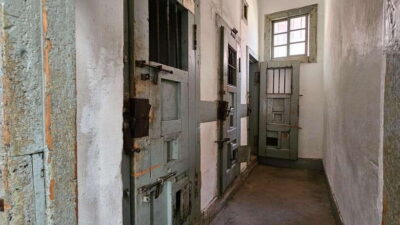
Blood & Tears: Korea Dark History Guided Walking Tour
Read our review →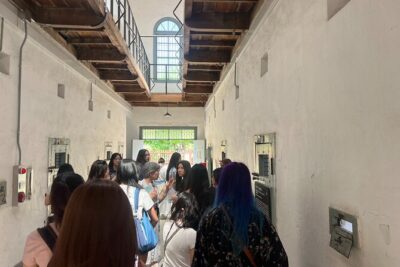
Seoul’s Hidden Dark History Guided Tour of Seodaemun Prison
Read our review →Browse the lists this tour appears in