
REVIEW · SEOUL GHOST TOURS
Blood & Tears: Korea Dark History Guided Walking Tour
Korea’s past comes into sharp focus on this small-group history tour, where prison cells, torture rooms, former intelligence offices, and an ordinary market tell the story more clearly than a textbook. You can choose the independence route through Seodaemun or the democracy route through postwar Seoul, and each one asks you to slow down and think.
I like the way the tour uses real places instead of only museum displays. I also like the flexible, conversational style reported with guides such as Joseph, Laura, Gina, and Chuck. The main drawback is that this is serious material, not a light sightseeing walk, and the public transportation, walking, and emotionally difficult sites may not suit every visitor.
Key points to know before booking
- Two different chapters of Korean history: Choose the Japanese colonial period and independence movement, or the later struggle against military rule and political oppression.
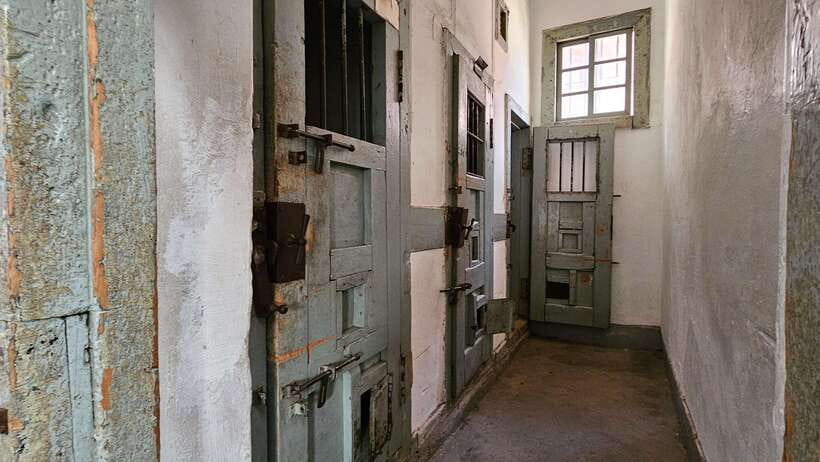
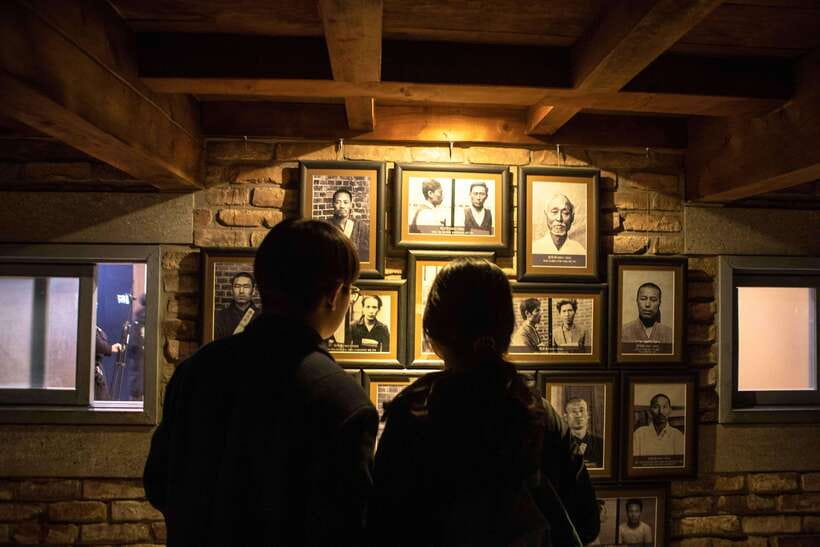
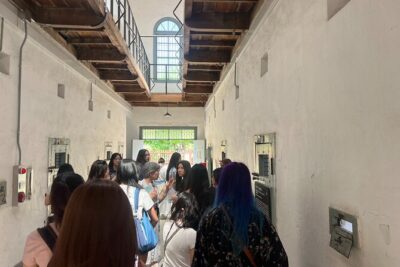
- Seodaemun Prison History Hall: See cells, torture rooms, and execution-related sites connected with Korean freedom fighters.
- A useful Tongin Market stop: The democracy route includes time for a traditional lunch at a local market, with meals paid separately.
- Guides shape the experience: Joseph, Laura, Gina, Chuck, and other English-speaking guides explain people and events in a conversational way.
- Small groups of up to 10: A smaller group makes it easier to ask questions and adjust the pace.
- Plan for public transport and walking: Bring practical shoes, allow for weather changes, and note that strollers or wheelchairs may be inconvenient despite the activity being listed as wheelchair accessible.
Two routes, two sides of Korea’s struggle
This experience is really two tours under one name. Package 1, Then: Fight for Independence, looks at Korea under Japanese colonial rule and the 1919 independence movement. Package 2, Now: Road to Democracy, follows the country’s later move from postwar reconstruction and military government toward democracy.
The choice matters. If you want to understand the colonial period, independence activists, and the roots of modern Korean nationalism, choose Package 1. If you are more interested in the political struggles of the twentieth century, citizen resistance, and the path to democracy, Package 2 gives you that focus.
You can also take both on separate days. That would give you a more complete picture, since the tours cover different periods rather than repeating the same sites.
More dark history tours in the world:
- Adults-Only New Orleans Ghost, Crime, Voodoo, and Vampire Tour
★ 5.0 · 6,545 reviews - Edinburgh: Dark Secrets of the Old Town Ghost Walking Tour
★ 4.6 · 1,671 reviews - New Orleans Adults-Only True Crime and Ghost Walking Tour
★ 5.0 · 1,666 reviews
Seodaemun Prison puts colonial rule in human terms
Package 1 begins at 9:30 AM at Dongnimmun Station Exit 5. The first major stop is Seodaemun Prison History Hall, one of the most powerful places in Seoul for understanding Japanese colonial rule.
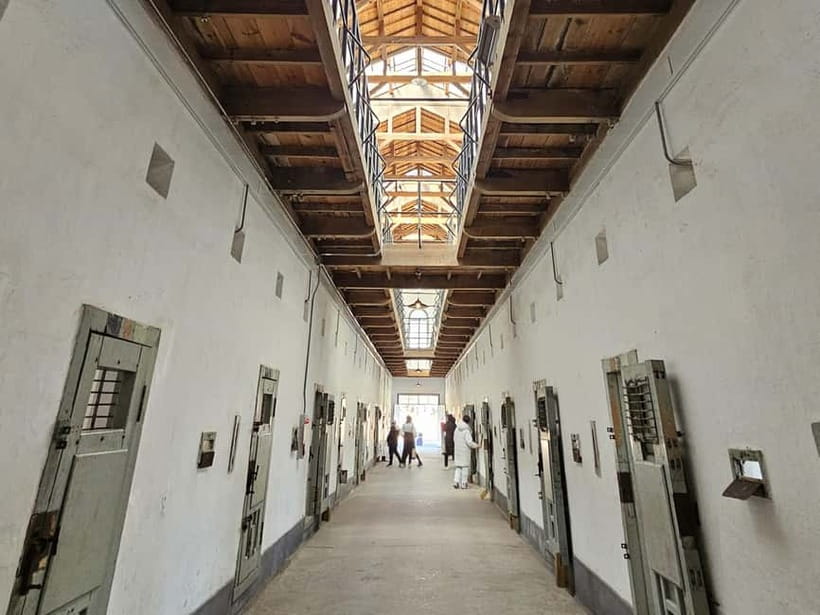
Here, you move through former cells and areas connected with interrogation, torture, and execution. The physical setting matters. Reading that people were imprisoned for resisting colonial rule is one thing. Seeing the cramped cells and the stark treatment areas gives that information a harder edge.
The site is not presented as a simple story of heroes and villains. The guide helps connect individual suffering with the wider independence movement, so you can understand why resistance grew and what it cost. This is where the tour earns its title. The material is painful, and you should not expect a cheerful morning activity.
I would give yourself time to look quietly rather than rushing from room to room. The guide’s explanations add context, but the place also needs a little silence. If you prefer only palaces, food stops, and photo opportunities, this visit may feel heavy. If you want to understand the forces that shaped modern Korea, it is essential.
Dongnimmun Arch and the meaning of independence
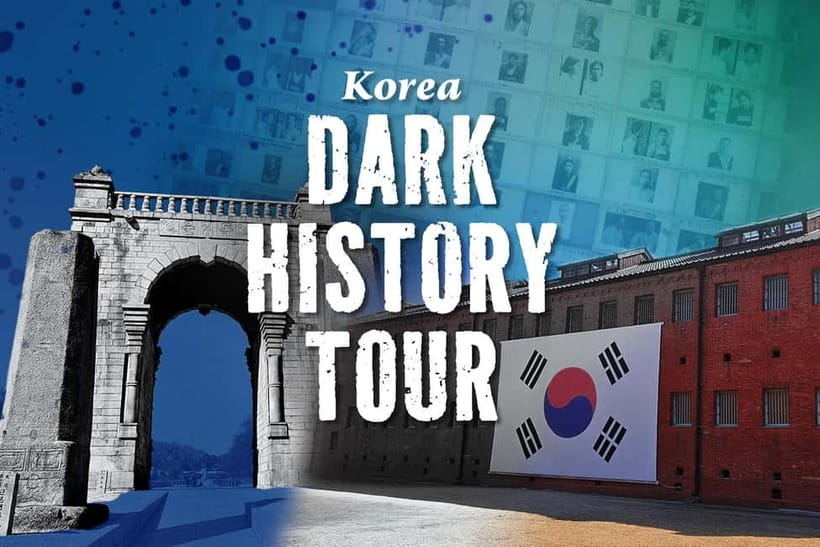
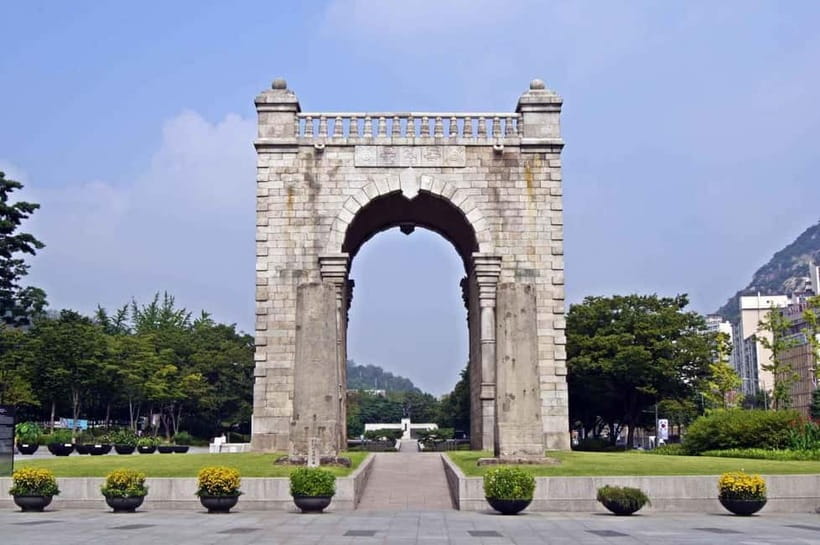
From the prison area, the route continues to Dongnimmun Arch. Built to celebrate independence, the arch also carries the memory of the colonial period that made independence such a powerful goal.
This is a good example of how the tour reads Seoul as a historical record. The city is not only a collection of old buildings and modern streets. Its monuments have changed meaning over time, and your guide explains how national pride, foreign control, and liberation meet at this site.
The stop is less confined and graphic than Seodaemun Prison, but it helps widen the story. You are no longer looking only at imprisonment. You are considering how a nation remembers its loss and marks its freedom.
Because this is a walking route using public transportation, you should expect the day to include movement between sites rather than one long museum visit. That keeps the tour connected to the city, though traffic and weather can affect the timing.
Dilkusha adds an outsider’s view
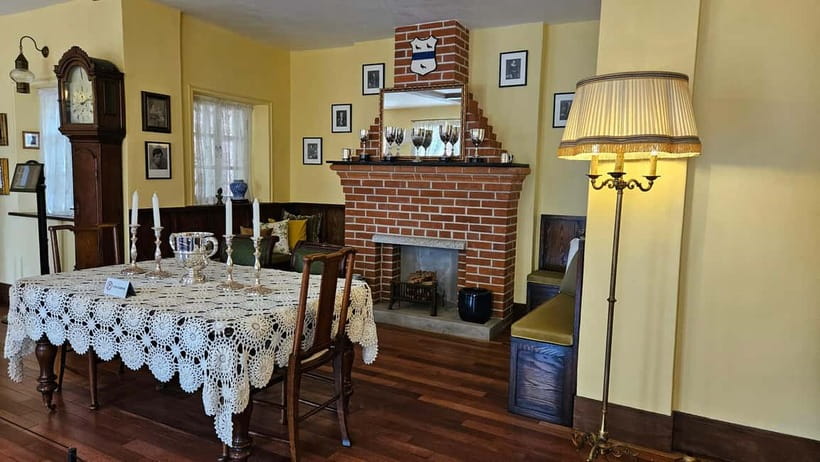
The next stop is Dilkusha, the former home of Albert W. Taylor, an American journalist who reported on Japanese rule. His role gives the independence story an international angle.
The value here is not simply seeing a historic residence. Dilkusha helps show how news about Korea’s treatment under colonial rule reached the outside world. After the prison and the arch, the house gives you a different way to consider the same period: through reporting, witness, and the spread of information.
You may need to remove your shoes inside Dilkusha to help protect the historic building. Slippers are provided, so wear socks you are comfortable taking off and choose footwear that is easy to remove.
Package 1 ends at Tapgol Park at about 1:00 PM. In 1919, the first cries for independence were heard here, helping spark a nationwide uprising. Ending at this park gives the morning a clear arc, from imprisonment and oppression to public protest and the hope of freedom.
More heritage tours in the world:
- History and Hauntings of Salem Guided Walking Tour
★ 5.0 · 14,564 reviews - Savannah History and Haunts Candlelit Ghost Walking Tour
★ 5.0 · 3,235 reviews - Stockholm: Ghost Walk and Historical Tour
★ 4.7 · 2,685 reviews - New Orleans Small-Group Haunted History Carriage Tour
★ 4.5 · 2,289 reviews
Tapgol Park connects private courage with public action
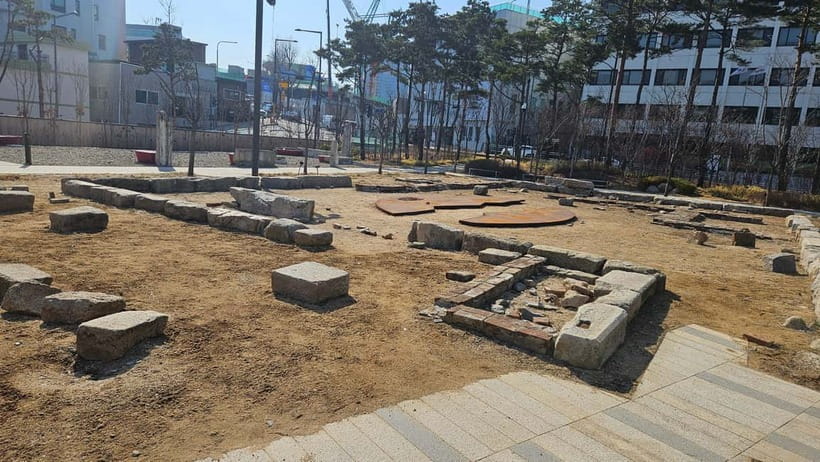
Tapgol Park is especially useful as the final stop because it shows how political movements move into public space. The independence cause was not only carried by famous figures. It depended on ordinary people gathering, speaking, marching, and accepting serious risks.
Your guide can connect the earlier sites to the 1919 movement, helping you see why the park matters beyond its appearance today. The stop is also practical for your Seoul plans. Finishing near the center of the city gives you a convenient point from which to continue sightseeing or find lunch after the tour.
Package 1 lasts about three and a half hours, including transport and walking. The stated duration for the activity can range from 210 to 330 minutes, so do not schedule a tight appointment immediately afterward.
Package 2 follows the road to democracy
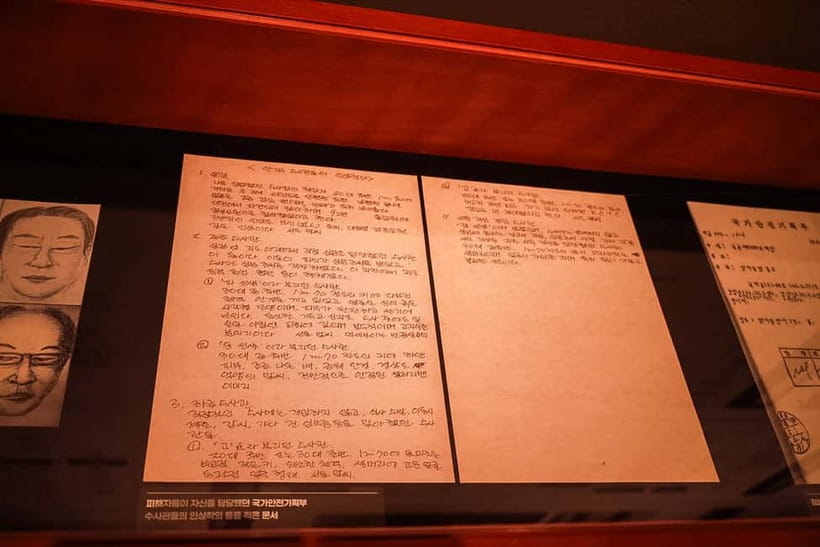
Package 2 begins at 9:50 AM at Gwanghwamun Station Exit 7. It focuses on the postwar period, military governments, political surveillance, torture, and citizen resistance.
The first stop is the National Museum of Korean Contemporary History. This provides the background you need before visiting former sites of political oppression. Korea’s postwar story includes reconstruction and rapid change, but also periods when dissent was suppressed. The museum helps place those events in order.
This route is a good pick if you want context for modern Korean politics rather than only the colonial period. The guide explains how Korea moved from war and reconstruction through military rule and toward a democratic system shaped by public resistance.
The content can be difficult, especially when the route later reaches locations tied to surveillance and torture. Still, the museum-first structure is sensible. It gives you a framework before the more troubling places, instead of presenting isolated events with no explanation.
Tongin Market brings lunch and daily life into the route
After the museum, the group walks through the alleys of Tongin Market and stops for a traditional lunch. Meals are not included in the price, but the guide leads you to the market and helps make this part of the day easier.
I like this stop because it breaks up a demanding subject without changing the focus of the tour. A market shows the everyday Seoul that exists alongside government buildings, museums, and former security offices. It also gives you a chance to eat in a local setting instead of remaining inside formal cultural institutions.
One useful detail from the experience is the mention of bento-style meals at Tongin Market. You should still budget separately for lunch and personal purchases. The market stop may feel more relaxed, but the tour remains a history walk, not a food tour.
This is also where a small group helps. Guides such as Joseph have been praised for answering questions and allowing the group to move at its own pace. With no more than 10 people, you can usually ask about a political figure, event, or place while the subject is fresh.
Namsan KCIA headquarters reveals the darker side of power
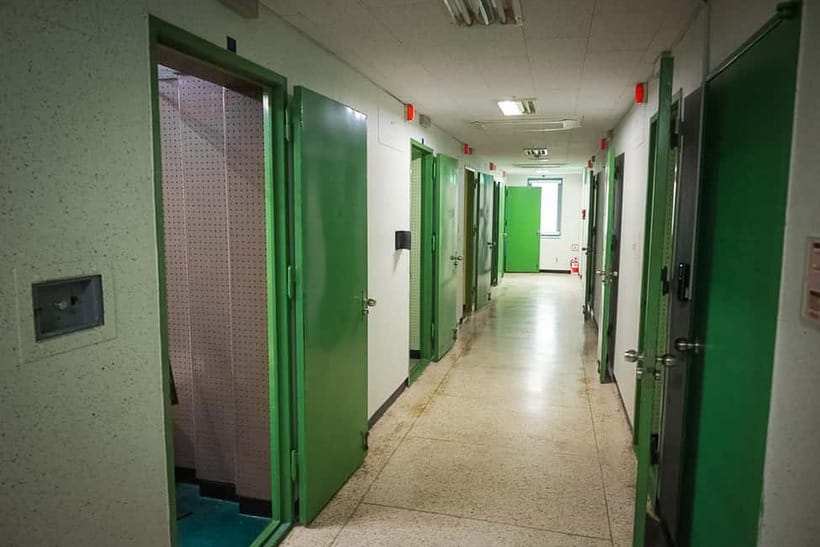
The route then moves to the former Namsan KCIA headquarters, a site associated with surveillance, political control, and torture. This is one of the places where the title Road to Democracy becomes most meaningful.
The building and its history show that democracy did not arrive simply because the country modernized. People had to challenge institutions that were built to monitor and silence opposition. Your guide explains how state power worked and how resistance developed in response.
The subject is stark. You may find this stop more unsettling than the museum because the location was part of the machinery of control, not merely a display about it. The benefit of visiting with a guide is that you receive political and historical context instead of trying to piece together the story alone.
The route finishes at the Korea Democracy Foundation at around 4:00 PM. The visit may be adjusted depending on on-site conditions, so treat the foundation as a planned part of the route rather than an absolute guarantee of the exact stop sequence.
The guides make the difference
The strongest part of this experience is the human explanation. Guides including Joseph, Laura, Gina, and Chuck have been described as warm, engaging, patient, and able to answer questions without turning the walk into a lecture.
Laura has been especially praised for explaining colonial history clearly and for adjusting when an unplanned stop was needed. Joseph has been noted for creating a conversational pace and tailoring the discussion to the group. Gina and Chuck have also been singled out for making difficult history easier to follow.
One useful feature is the willingness to explain historical figures as people, not just names. A guide may connect events to familiar dramas or films, which can help if you already know Korean popular culture. At the same time, the focus remains on documented political and social change rather than entertainment.
The quality of a history walk depends heavily on communication. Here, the small group limit gives you a better chance to ask questions than a large coach tour would. If you have a specific interest, such as the independence movement, military rule, or the Gwangju Democratization Movement, raise it early so the guide can shape the discussion where possible.
Price, pace, and practical value
At $61 per person, the price includes admission fees, public transportation used during the tour, and an English-speaking guide. Meals, insurance, and personal spending are extra.
I think the value is strongest if you want interpretation rather than a simple route between attractions. You are paying for access to several historic places, transport planning, and a guide who can connect them into one story. Admission and transport alone do not explain the cost, but the small group and discussion-based format add real value.
The time commitment is substantial. Package 1 takes about 210 minutes, while Package 2 can run closer to 330 minutes. You will walk, use public transit, and spend several hours with serious subject matter. Wear comfortable shoes and keep your schedule flexible.
The activity is listed as wheelchair accessible, but public transportation may be inconvenient for wheelchair users, and strollers may also be difficult. Ask about the exact route before booking if mobility is a major concern. Weather and traffic can also affect the itinerary.
Cancellation is free up to 24 hours before the start time, and you can reserve now and pay later. Those policies are useful if your Seoul plans are still changing, but the more important booking decision is choosing the route that matches your interests.
Who should book this Seoul history walk
I would recommend Package 1 to you if colonial history, independence movements, memorial sites, and the 1919 uprising are your main interests. Seodaemun Prison and Dilkusha provide different but complementary viewpoints, and Tapgol Park gives the story a strong ending.
Choose Package 2 if you want to understand Korea’s modern political development. The museum, Tongin Market, Namsan KCIA site, and Korea Democracy Foundation create a route through postwar reconstruction, repression, resistance, and democracy.
This is a good choice for solo visitors because the small group format makes it possible to join without needing a private booking. It also suits couples and friends who enjoy asking questions and discussing what they see.
I would not choose it for young children who may find the prison and torture material upsetting, though the supplied information does not set a formal age limit. I would also think twice if you want a relaxed sightseeing day with little walking or no difficult topics.
Should you book Blood & Tears?
Book it if you want Seoul to make more sense. The tour links buildings and streets to the human cost of colonial rule, political repression, and the fight for democracy.
For a first visit, Package 1 gives you a clear introduction to the independence movement. Package 2 works especially well if you have already seen the major historic sights and want to understand the political story behind modern Korea. Taking both gives you the fullest view, but one route is enough to make the experience worthwhile.
The key question is simple: do you want a pleasant walk through Seoul, or do you want to confront the events that shaped it? If you choose the second, this small-group tour offers a thoughtful and practical way to begin.
FAQ
How much does the tour cost?
The price is $61 per person.
How long does the tour last?
The duration ranges from 210 to 330 minutes, depending on the package and schedule.
What languages are available?
The tour is conducted in English with a live English-speaking guide.
What are the two package options?
Package 1 is Then: Fight for Independence. Package 2 is Now: Road to Democracy.
Where does Package 1 begin?
Package 1 begins at 9:30 AM at Dongnimmun Station Exit 5.
Where does Package 2 begin?
Package 2 begins at 9:50 AM at Gwanghwamun Station Exit 7.
Is lunch included?
No. Lunch is not included, though Package 2 includes time to eat at Tongin Market.
What is included in the price?
Public transportation fees during the tour, admission fees, and an English-speaking guide are included.
Is the tour wheelchair accessible?
The activity is listed as wheelchair accessible, but public transportation may be inconvenient for wheelchair users. Strollers may also be difficult to use.
Can I cancel for a full refund?
Yes. You can cancel up to 24 hours in advance for a full refund. You can also reserve now and pay later.
More Walking Tours in the world
- New Orleans Premier Ghost, Voodoo and Vampire Walking Tour
★ 4.5 · 12,856 reviews - Chicago: Gangsters and Ghosts Walking Tour
★ 5.0 · 7,155 reviews - Prague: Ghost Walking Tour Where Legends Come To Life
★ 4.4 · 5,253 reviews - Ghosts of Charleston Night-Time Walking Tour with Unitarian Church Graveyard
★ 4.5 · 2,835 reviews
Just added around the world
- Zion: Harry Potter-Inspired Zion Ghost Tour with Sunset View★ 5.0 · 8 reviews
- Your evening in Venice – Legends&Ghosts&Aperitif★ 4.7 · 79 reviews
- York’s Haunted Heart : Ghost, Ghouls and Gallows★ 4.6 · 82 reviews
- York : Private Ghost Hunt★ 5.0 · 3 reviews
- Witches, Widows, & Wraiths: Wichita Ghost Tours★ 5.0 · 2 reviews
- Wraiths & Wicked Whispers: Wilmington Ghost Tour★ 4.2 · 25 reviews
- Witches, ghosts and executioners / Mystical North Hesse★ 4.4 · 4 reviews
- Wraiths of the West Texas Wind: El Paso Ghost Tour★ 4.5 · 9 reviews
Seoul Ghost Tours, compared.
Evening Dark History, Folklore & Ghost Story Walking Tour
Read our review →
Dark Side of the City and Ghost Stories Walking Tour
Read our review →
Seoul’s Hidden Dark History Guided Tour of Seodaemun Prison
Read our review →Browse the lists this tour appears in