
REVIEW · CHICAGO GHOST TOURS
Chicago: Gangsters and Ghosts Walking Tour
Chicago’s Loop is more than office towers and famous photo stops. Beneath its polished streets are old vice districts, bootlegger routes, gangster headquarters, tragic accidents, and hotels where ghost stories have lasted for generations. This two-hour walk brings those tales together, with Al Capone, the Palmer House, Death Alley, and the Congress Plaza Hotel at the center.
I like the mix of documented Chicago history and reported hauntings, since the tour is not just a parade of spooky claims. I also like the guides’ clear, lively delivery. Taka, Sophia, Tanner, Avery, and Willis are singled out for strong storytelling, loud voices, and the ability to keep a group together on noisy city streets.
The main drawback is simple: most of the experience takes place outdoors, and you spend about 1.5 miles on foot. The tour can be cold, windy, or rainy, and many stops involve looking at historic buildings from the outside rather than going inside.
Key points to know before you book
- The Loop is the main stage: Walk through Chicago’s old vice district, once filled with speakeasies, bootleggers, and gangster activity.
- The route covers about 1.5 miles: Frequent stops, a refreshment and restroom break, and a generally manageable pace make it less strenuous than a long city march.
- The stories go beyond Al Capone: You may hear about the SS Eastland disaster, Chicago’s underworld, old hangouts, and reported ghost sightings.
- The Palmer House is a highlight: Step into its historic lobby for a break and hear why the hotel is considered haunted.
- The ending is suitably spooky: The walk finishes at Congress Plaza Hotel, where Capone once had a headquarters and ghost stories center on the eighth floor.
- A bus option is available: The minibus version includes one stop at Harry Caray’s Italian Steakhouse for a more seated experience.
Why Chicago’s Loop works so well for a gangster and ghost tour
Chicago’s Loop gives this experience a useful sense of place. You are not hearing old stories in a distant museum. You are walking through the area once linked with Prohibition-era crime, speakeasies, secret routes, and organized vice.
The tour begins at 71 East Wacker Drive, near public transportation, and moves through the downtown core. You will see major sights such as Millennium Park, the Chicago Riverwalk, and the Chicago Theatre, but the guide’s job is to point out the darker stories attached to these familiar places.
That contrast is part of the fun. In one moment, you are looking at a polished downtown landmark. In the next, you are hearing about a fatal accident, a former gangster hangout, or a spirit said to linger in a hotel corridor.
The storytelling style is more campfire than stage show. That matters if you want a theatrical haunted house experience. This is not a costumed performance with actors jumping from doorways. It is a guided city walk built around history, atmosphere, and stories that have been passed down over time.
The group size is limited to 20 people. That is large enough to have energy but small enough for the guide to manage the group. Strong projection is important in downtown Chicago, and several guides are praised for speaking clearly despite traffic, crowds, and city noise.
More walking tours in Chicago:
- Chicago: Gangsters and Ghosts Guided Walking Tour
★ 4.7 · 1,697 reviews - Haunted Chicago Booze and Boos Ghost Walking Tour
★ 5.0 · 266 reviews - Chicago: Ghosts & Hauntings of the Windy City Walking Tour
★ 4.4 · 45 reviews
The Loop and Chicago’s Prohibition-era underworld
The opening section focuses on the Loop, the part of downtown most closely tied to the tour’s gangster theme. In the 1920s and 1930s, this area was associated with speakeasy saloons, organized crime, and hidden routes used by bootleggers.
Al Capone is the best-known name, but the value of this section is the setting around the name. You are shown places connected with old gangster activity and hear how the city’s nightlife and illegal liquor trade shaped downtown.
I like this approach because it gives you more than a list of famous criminals. The guide connects the buildings and streets to the wider story of Chicago during Prohibition. You begin to see the Loop as a working district with competing businesses, secret drinking spots, and people trying to hide illegal operations in plain sight.
The route has frequent stops, which helps. You are not expected to walk continuously while listening to a long lecture. The guide pauses to tell each story, then moves the group to another location.
Still, you should set your expectations correctly. The tour does not promise access to private gangster rooms or underground tunnels. You see the places from public areas, and some of the best details come through the guide’s account rather than through a physical exhibit.
Millennium Park and the Bean
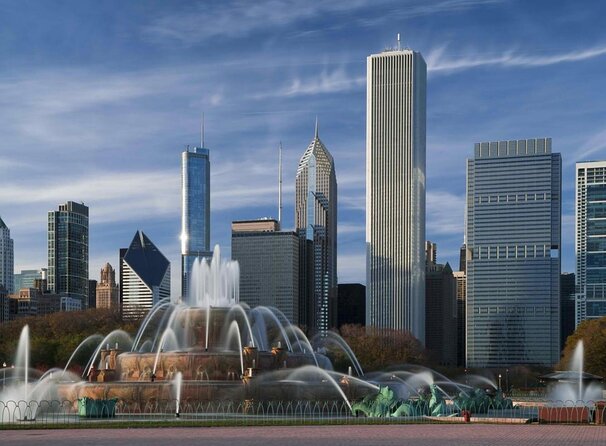
Millennium Park provides one of the tour’s most familiar stops. The park is home to Cloud Gate, the famous reflective sculpture commonly called the Bean, and it offers an easy photo opportunity during the walk.
This section is less about a specific gangster story and more about placing old Chicago stories beside the modern city. The park is one of downtown’s major landmarks, so the stop can help you get your bearings if you are new to the Loop.
You should not expect a long visit here. The listed stop lasts about 15 minutes, and the main purpose is to see the landmark while the guide continues the city story. If you want detailed information about the park, architecture, or sculpture, you will need a separate visit.
The benefit is that the tour does not trap you in one narrow theme. You get a look at the city’s famous public face while learning about its less polished past.
Palmer House: a historic hotel with ghost stories
The Palmer House Hilton is one of the most useful stops because you can step into its historic lobby for a break. It is described as the oldest hotel in Chicago and the oldest continuously operating hotel in the United States.
The lobby gives you shelter from the weather and a change from the sidewalk. It also adds atmosphere to the ghost stories. Hotels are natural settings for tales about former guests, unexplained sightings, and rooms with a long memory.
The stop lasts about 20 minutes, making it one of the longer pauses on the route. You have time to rest, use the restroom, and listen without trying to keep up with the group.
The guide’s stories here are presented as reported and verified ghost accounts rather than pure theatrical invention. That distinction will appeal to you if you enjoy folklore with a historical frame. If you want proof of the supernatural, of course, the tour cannot provide it. The interest lies in the age of the building, the stories attached to it, and the way the guide handles them.
This is also a practical stop for people who prefer a tour with regular breaks. You are walking in the city, but the route is not one long stretch without relief.
A few more ghost walks around Chicago worth a look
- Medieval Torture Museum Ticket with Audio Guide and Ghost Hunting
★ 5.0 · 962 reviews - Chicago Hauntings Original Ghost Bus Tour
★ 4.0 · 147 reviews - Embers of the Windy City: Chilling Chicago Ghost Tours
★ 4.5 · 121 reviews - Chicago Creepy Cruise
★ 4.0 · 80 reviews
The Chicago Riverwalk and the SS Eastland story
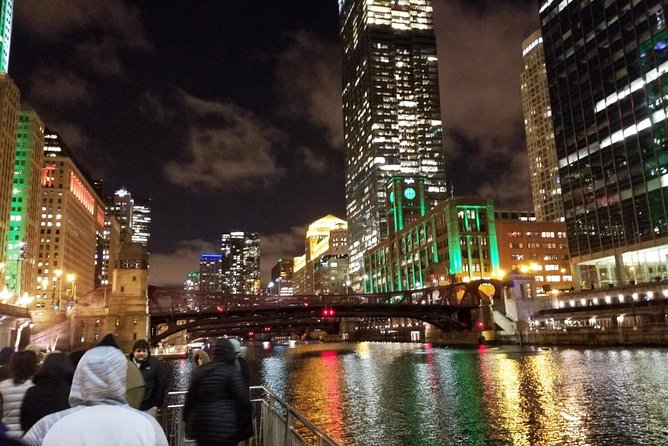
The Riverwalk adds a different mood. The water and downtown architecture create a natural setting for stories about Chicago’s past, including the tragic SS Eastland disaster.
The supplied tour details do not give a full account of the event, so you should expect the guide to tell the story rather than visit a dedicated memorial or museum. It is one of the examples showing that the experience is not limited to gangsters and ghosts. Chicago’s darker history also includes disasters and great loss of life.
This is one reason I think the tour works for people who already know a little about Chicago. Several guides bring up subjects that can surprise even longtime residents, including the Eastland story and lesser-known pieces of the city’s past.
The Riverwalk stop lasts about 15 minutes. It is a chance to walk beside the water while listening, but it is not a separate river cruise or architecture tour. Keep your attention on the guide, since the setting can be lively and city noise may compete with the story.
The Chicago Theatre and Death Alley
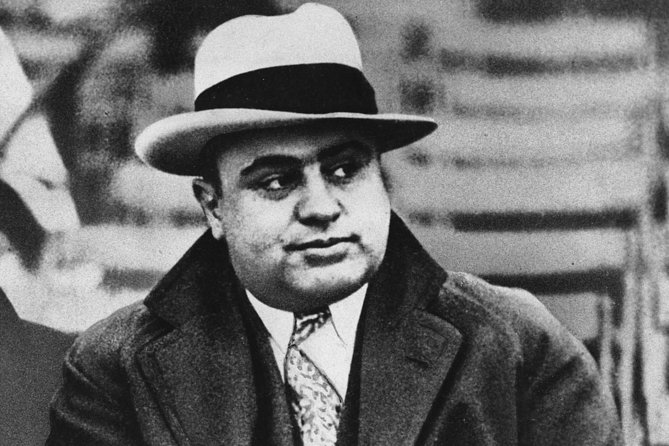
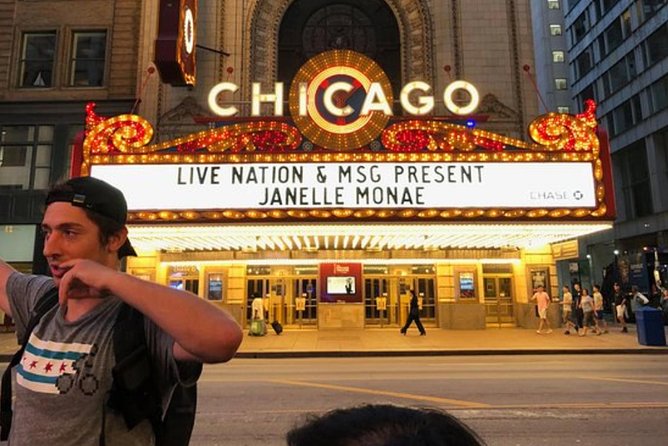
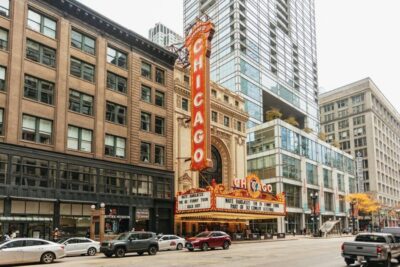
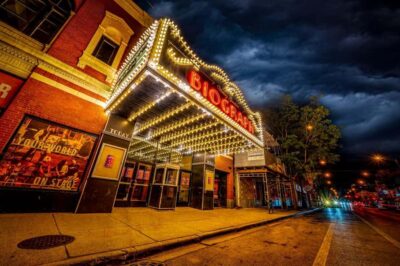
The Chicago Theatre is another photo stop. Its famous sign gives the tour a classic downtown image and helps break up the heavier stories with a familiar landmark.
The nearby references to Death Alley add a sharper edge. The name alone signals the type of story the tour explores: lesser-known corners where violence, tragedy, or local legend has left a mark.
This part of the route is useful because it takes you beyond the standard sightseeing path. You still see a major landmark, but the guide gives you a reason to look at the surrounding streets differently.
The stop is listed at about 15 minutes. You will have time for photos, but this is not an interior theatre visit. If you want to see a performance space or take a formal theatre tour, plan that separately.
The walk also includes many places connected with old gangster hangouts. The exact emphasis may vary by guide, but the overall pattern is consistent: the guide uses the street plan and surviving buildings to explain how Chicago’s criminal past fit into ordinary downtown life.
Congress Plaza Hotel and Al Capone’s old headquarters
The tour ends at the Congress Plaza Hotel and Convention Center at 520 South Michigan Avenue. This is a strong finish because the hotel combines the tour’s two main themes.
The Congress is named among the most haunted places in Illinois, and Al Capone is said to have established a headquarters there. The eighth floor, near his old suite, is associated with the most frequent sightings of his ghost.
The final stop is short, about five minutes, so do not expect a long interior visit or a full hotel tour. The value is in the closing story and the location itself. By this point, you have walked through the Loop, heard about Prohibition, visited the Palmer House, and followed the route toward a hotel tied to both gangsters and ghosts.
The ending also works well for planning the rest of your day. You are on South Michigan Avenue, away from the starting point, so you can continue exploring the area after the tour. The experience is not a round trip, and you should be ready to make your own way back by public transportation or on foot.
What the guides do best
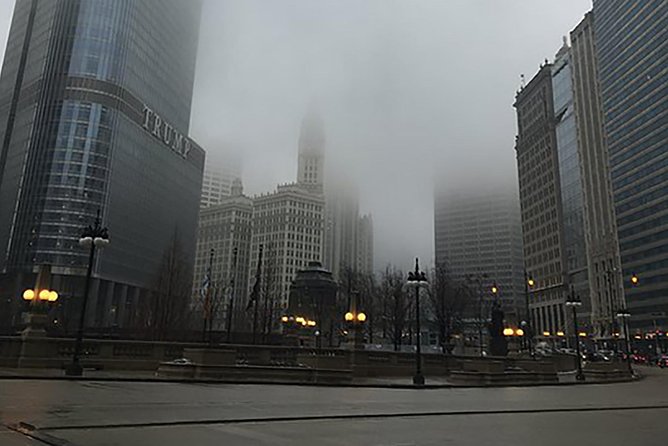
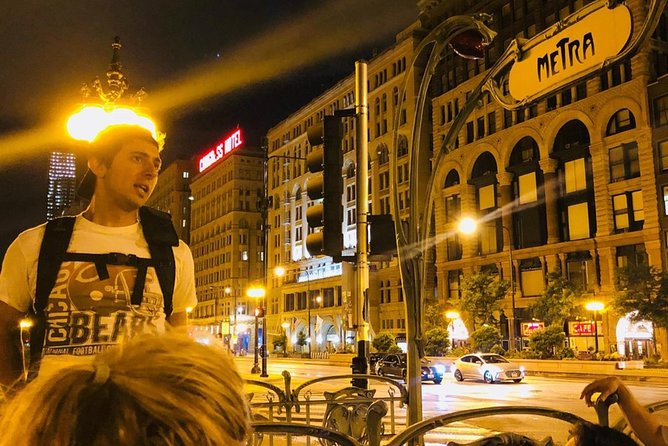
The strongest part of this experience is the guide. Taka is repeatedly praised for clear delivery, strong timing, and a real interest in Chicago history. She is also noted for projecting her voice so a full group can hear her on loud downtown streets.
Sophia brings an energetic and theatrical style to the stories. That can be especially helpful if you are taking the tour with an older child or teenager who may not want a standard history lecture. Tanner is praised for humor and for keeping people of different ages engaged, while Avery is described as a good choice for a light walk with worthwhile stops.
Willis is also noted for storytelling. The consistent pattern is clear: the guide makes or breaks this type of tour, and the guides assigned to this experience focus on clear speech, group control, and stories with a beginning and end.
The style can vary. Some guides may lean more theatrical, while others may sound more like a city historian telling stories around a fire. The tour information specifically says it is not a theatrical production, so book it for live storytelling rather than costumes or special effects.
Walking, weather, and the minibus option
The standard route covers about 1.5 miles and includes frequent stops. Most people with a moderate level of physical fitness should find the distance manageable, but Chicago weather can change the experience.
A cold, windy evening can make the walk feel much longer. Rain may lead to a modified route or cancellation, and the tour requires good weather. Wear shoes you can walk in and check the forecast before leaving. On a warm day, the outdoor format may be one of the best parts of the experience. On a bitter night, you will need a warm coat, hat, and gloves.
The minibus upgrade offers the same general theme by vehicle and includes one stop at Harry Caray’s Italian Steakhouse for a more seated experience. The available information does not describe every difference in route or commentary, so do not assume the bus version visits every walking stop in the same way.
Choose the walking version if you want to feel the city under your feet and see the downtown blocks at a slow pace. Choose the minibus option if weather, mobility, or comfort makes a long outdoor walk less appealing.
Is $52 a fair price?
At $52, this is not the cheapest way to hear a few ghost stories. The value comes from the combination of a two-hour guided walk, a historian guide, a planned route through several major landmarks, and access to the Palmer House lobby for a break.
You are also paying for interpretation. You could walk past Millennium Park, the Chicago Theatre, the Riverwalk, and the Congress Plaza Hotel on your own, but you would not automatically know which locations connect to Capone, the old vice district, Death Alley, or local ghost stories.
The price makes the most sense if you want a focused introduction to Chicago and prefer a guide to a self-guided podcast or book. It is less useful if you already know the Loop well and only want to enter historic buildings, since many stops are viewed from outside.
The experience has a 4.8 rating from 7,155 reviews, with 95 percent recommending it. Those figures support the idea that the guiding and storytelling are the main strengths, but they do not change the practical limits: weather, outdoor walking, and limited interior access.
Who should book this tour?
I would choose this for a first or second visit to Chicago, especially if you want history with a darker tone. It suits couples, families with older children, curious locals, and anyone who likes city walks that mix famous sights with unusual stories.
It can also work well for a teenager and parent. The guides use humor and dramatic storytelling, but the material still has enough historical substance for adults.
You may want something else if you dislike ghost stories, need a fully indoor activity, or want a detailed architecture tour. The experience includes real places and historical events, but it is not a museum visit, a formal criminal history course, or a haunted house attraction.
Book with the walking distance and weather in mind. You can cancel for a full refund up to 24 hours before the start time. Cancellations within 24 hours are not refunded, and poor weather may lead to a different date or a full refund.
Should you book the Chicago Gangsters and Ghosts Walking Tour?
Yes, if you want an entertaining way to meet Chicago’s darker past without spending half a day in a museum. The best reason to book is the guide led storytelling, especially if Taka, Sophia, Tanner, Avery, or Willis is leading your departure.
The tour gives you a useful mix: Al Capone and Prohibition, haunted hotels, the SS Eastland tragedy, Death Alley, the Riverwalk, Millennium Park, and the Congress Plaza Hotel. You will not go inside every historic site, and the weather can affect the experience, but the route is a good value for two hours of guided city history.
If you want a short, social, story driven introduction to the Loop, book it. If you want a fully indoor tour or extensive building access, spend the $52 elsewhere.
FAQ
How long is the Chicago Gangsters and Ghosts Walking Tour?
The tour lasts approximately two hours.
How far do you walk?
The walking route is about 1.5 miles, with frequent stops and a refreshment and restroom break.
Where does the tour start?
The tour starts at 71 East Wacker Drive, Chicago, Illinois 60601.
Where does the walking tour end?
The walking tour ends at the Congress Plaza Hotel and Convention Center, 520 South Michigan Avenue, Chicago, Illinois 60605.
What places are visited or seen during the tour?
The route includes the Loop, Millennium Park, the Palmer House historic lobby, the Chicago Riverwalk, the Chicago Theatre, and the Congress Plaza Hotel. Cloud Gate, known as the Bean, is also seen at Millennium Park.
Is the tour led by a historian?
Yes. The experience includes an expert guide with a focus on Chicago history, gangsters, ghost stories, and related events.
Is there a bus tour option?
Yes. You can upgrade to a minibus tour. The bus option includes one stop at Harry Caray’s Italian Steakhouse.
How many people can join the tour?
The maximum group size is 20 travelers.
Can I cancel for a refund?
You can cancel at least 24 hours before the start time for a full refund. Cancellations or changes made less than 24 hours before the start time are not accepted or refunded. If poor weather cancels the tour, you are offered another date or a full refund.
Just added around Chicago
- Prairie Avenue Haunted History Tour and Ghost Hunt★ 5.0 · 11 reviews
- Embers of the Windy City: Chilling Chicago Ghost Tours★ 4.5 · 121 reviews
- The Devil in the White City: A Haunting History Tour★ 4.5 · 17 reviews
- Lincoln Park Hauntings Ghost Investigation Tour★ 5.0 · 43 reviews
- Haunted Ghosts & The Chicago Outfit Segway Tour★ 4.5 · 38 reviews
- Ghosts of Chicago Family Friendly Ghost Tour★ 4.0 · 12 reviews
- Chicago Hauntings Original Ghost Bus Tour★ 4.0 · 147 reviews
- Haunted Chicago Exploration Game and Tour★ 4.0 · 6 reviews
Chicago Ghost Tours, compared.
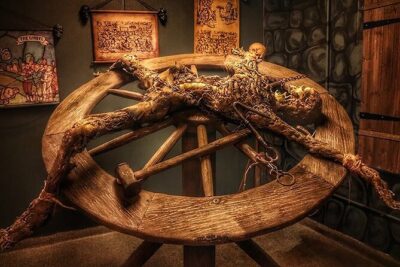
Medieval Torture Museum Ticket with Audio Guide and Ghost Hunting
Read our review →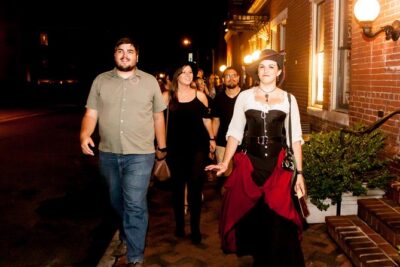
Haunted Chicago Booze and Boos Ghost Walking Tour
Read our review →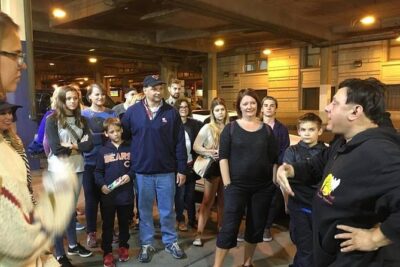
Embers of the Windy City: Chilling Chicago Ghost Tours
Read our review →
Ghosts & Hauntings of the Windy City Walking Tour
Read our review →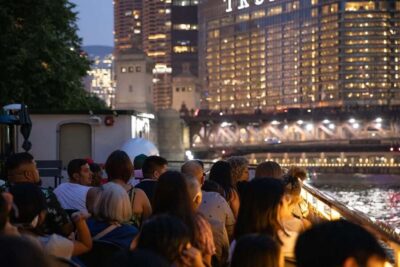
Browse the lists this tour appears in