
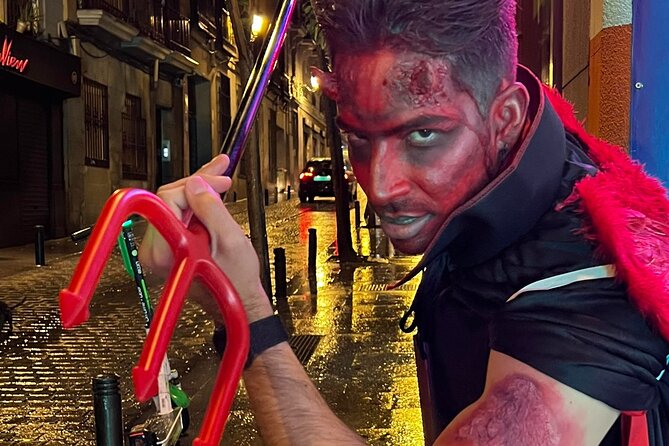
REVIEW · SPAIN GHOST TOURS
Madrid Oscuro: Torture, Ghosts, Crimes and Legends
Madrid’s old center has plenty of grand plazas and royal buildings, but this walk looks behind the polished facade. You’ll hear about ghosts, crimes, torture, and satanic legends, with stops tied to churches, alleys, cemeteries, and old Madrid mysteries.
I like the route’s two strongest features: it turns familiar central streets into a crime-and-ghost storybook, and the guides make the material lively with acting, questions, and printed teaching aids. The route also gives you a useful walk from Plaza Mayor toward the Royal Palace area.
The main consideration is the payment setup. The advertised booking price is only $3.62 per group of up to 15, but the guide’s tip is not included and is expected at the end. One guide suggested a $15 contribution, so plan your budget around the tip rather than the headline price.
Key points to know before you go
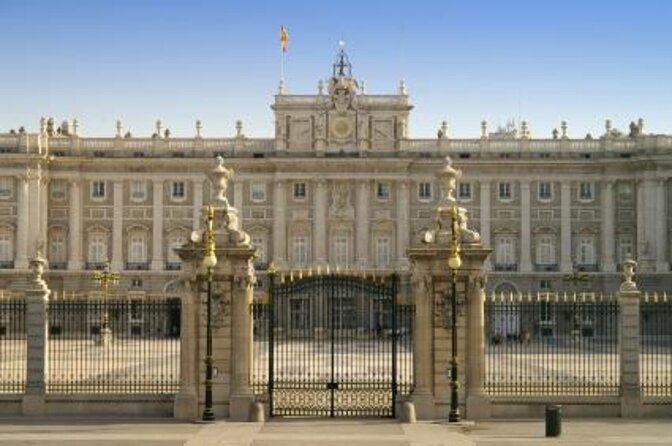
- A dark history walk through central Madrid: The route links Plaza Mayor, old churches, narrow passages, Calle Mayor, and Plaza de Oriente.
- Stories mix fact, crime, and legend: Expect Spanish Inquisition themes, ghost tales, a famous murder, satanic rituals, and Madrid’s first cemetery.
- Guides carry the experience: Paul, Lidia, David, Jacquelyn, José, Íñigo, Adrian, Adria, and others are described as funny, energetic, and strongly theatrical.
- The walk lasts about 2 hours and 25 minutes: The listed stops take about 95 minutes, with the remaining time used for walking, transitions, and storytelling.
- The route ends near the Royal Palace: You finish at Plaza de Oriente, a handy place to continue an evening in central Madrid.
- Dress for the weather: Much of the experience is outdoors, and a cold wind made the walk uncomfortable for some people.
Why Madrid’s darker side works so well
Madrid is easy to read as a city of art, food, and royal grandeur. This tour gives you another way to understand it. The stories focus on fear, belief, punishment, crime, and rumor, subjects that often reveal more about an old city than a list of dates and monuments.
I like the balance between recognizable places and lesser-known tales. You begin at Plaza Mayor, one of Madrid’s most famous public spaces, then move toward churches and alleys where the atmosphere changes. The buildings may look ordinary in daylight, but the guide supplies the darker context.
The tone is not simply a ghost hunt. The material includes history, true crime, religious fear, and folklore. That mix matters. If you want a strict academic lecture, this may feel theatrical. If you enjoy history told through memorable people and strange events, the format should suit you well.
The guides are central to the experience. David is described as acting out characters, while Paul combines humor with a strong interest in history. Jacquelyn keeps the walk interactive, and Íñigo is praised for energetic storytelling. Lidia, José, Adrian, Adria, Ana, Javier, Rambo, and Nicole are also named as engaging guides.
You should expect some variation from one guide to the next. The route and themes remain the same, but the delivery may lean more toward comedy, performance, history, or ghost storytelling. That is part of the appeal, though it means the exact mood is not fully fixed.
More Ghost Story Tours in Spain
- Barcelona: Gothic Quarter Ghosts and Legends Walking Tour
★ 4.7 · 1,443 reviews - Barcelona Ghosts & Legends Tour
★ 4.5 · 548 reviews - Seville: Paranormal and Legends Guided Walking Tour
★ 4.7 · 336 reviews
Plaza Mayor begins the story
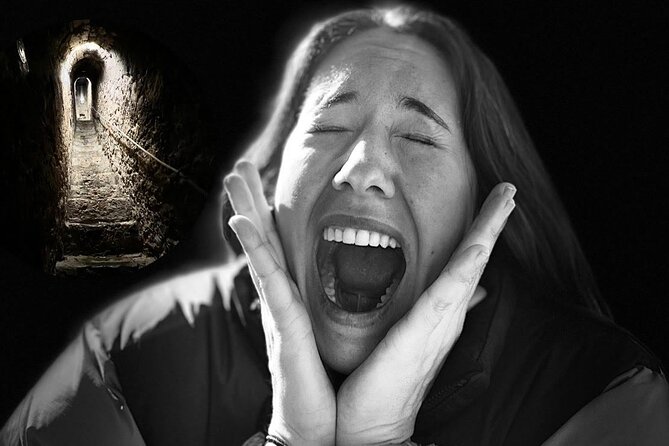
The meeting point is Plaza Mayor, and the tour allows about 15 minutes here. This is a smart starting place because the square is easy to find and gives the guide a large, central setting for the opening.
You will meet the guide in the Centro district before moving into Madrid’s darker past. The square itself is not an admission site for this activity, so there is no separate entrance ticket to worry about.
The opening stop helps set the tone. Rather than rushing straight into a narrow lane, the guide can establish how public spaces in old Madrid were connected to punishment, spectacle, religion, and rumor. The exact story can vary by guide, but this first stop frames the city as a place where public life and darker events often met.
I would arrive a little early. Plaza Mayor has several entrances and can be busy, especially in the evening. Since the walk is offered in English, listen for the guide’s introduction rather than relying only on the general meeting point.
Santa Cruz Church and the cursed-church tale
The second stop is Iglesia de Santa Cruz, with about 10 minutes devoted to the church and its curse. You will not need an entrance ticket for this stop.
This is a short visit, so expect a focused story rather than a full church tour. The value comes from learning how a religious building can collect layers of legend over time. The guide uses the site as a backdrop for a tale of misfortune and belief.
For me, this is where the experience moves away from a standard city walk. You are not only looking at architecture. You are being asked to consider why certain places gain a reputation for being cursed and how those stories survive.
The short timing also keeps the pace moving. If you prefer long stops inside monuments, this will feel brief. If you want several different locations and stories in one evening, the quick format works better.
The Pasadizo del Panecillo and the Alley of Hunger

The route then reaches Pasadizo del Panecillo, known here as the Alley of Hunger. The stop lasts about 15 minutes, making it one of the longer story points on the walk.
An alley gives the guide a very different setting from Plaza Mayor or a church. Narrow passages naturally suit tales of poverty, desperation, and hidden activity. The name itself points to hunger, and the story adds a social side to the tour’s darker themes.
This is a useful reminder that the past was not only about kings, churches, and grand squares. Everyday hardship shaped Madrid, too. You may find this part more grounded than the supernatural stories because it connects the city’s legends with the lives of ordinary people.
The route is on public streets, so you should expect normal city conditions rather than a staged attraction. There is no special entrance fee, and the story comes from the guide’s presentation.
Same streets after dark, a different sort of fright:
- Seville Evening Historical Tour with Haunted History
★ 5.0 · 626 reviews - Barcelona: Dark History Night Walking Tour
★ 4.8 · 344 reviews - Barcelona’s Dark History Night Tour
★ 5.0 · 181 reviews - Barcelona Dark History Night Walking Tour With Drinks
★ 5.0 · 153 reviews
Plaza del Conde de Miranda and Raimundita’s ghost
At Plaza del Conde de Miranda, the subject shifts to Raimundita’s ghost and the Apostolic Nuncio. The stop takes about 10 minutes.
This is one of the tour’s clearest ghost-story moments. The plaza gives the tale a real place in Madrid rather than leaving it as a free-floating legend. The reference to the Apostolic Nuncio adds a religious and political layer, showing how church figures and elite institutions enter the city’s supernatural stories.
I like stops such as this because they give you something to remember after the walk. Later, if you pass through the area again, the square will not feel like just another name on a map. It will carry a story.
Do keep your expectations in check. A ghost tour deals in reported lore and legend, not proven paranormal evidence. The attraction is the storytelling, the setting, and the way the guide connects a location to Madrid’s past.
Fallen Angel, satanic rites, and a darker turn

The next stop is labeled Accidente Aereo, with a 15-minute discussion of the Fallen Angel and satanic rites in Madrid. This is one of the more unusual subjects on the route.
The story appears to connect Madrid’s dark reputation with images of the Fallen Angel and alleged ritual activity. You should expect the guide to treat the topic as a blend of history, legend, and disturbing belief rather than as a conventional monument explanation.
This stop may appeal most to people who enjoy unusual religious history and occult themes. It is also likely to be one of the more theatrical sections, especially with a guide who enjoys reenactment or dramatic delivery.
The material is not designed for very young children in tone, even though no formal age restriction is provided. Parents should use their judgment, particularly if children are sensitive to crime, torture, death, or supernatural stories.
Calle Mayor and the same legend in the city streets
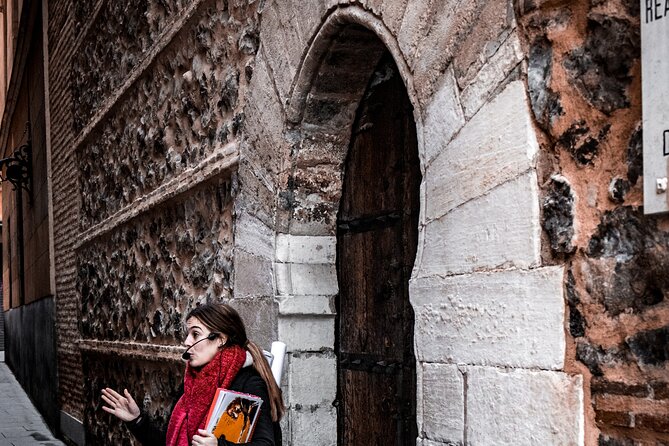
Calle Mayor receives about 10 minutes. The Fallen Angel and satanic ritual theme continues here, giving the story a second setting.
Calle Mayor is a major central street, so this portion feels less hidden than the alley or plaza stops. That contrast is useful. Dark stories do not belong only to forgotten corners. They can be attached to busy streets that you might otherwise cross without a second thought.
The stop also helps break up the route. You are not standing in one place for long stretches, and the walk keeps moving through central Madrid. The practical benefit is that you see more of the city while hearing the story.
Watch your footing and stay close enough to hear. The experience takes place outdoors, and a large group can spread out between the guide and the last person. The advertised maximum is 26 people, while the price description refers to a group of up to 15, so the actual size may depend on the booking arrangement.
Captain Sánchez at Santiago and San Juan Bautista
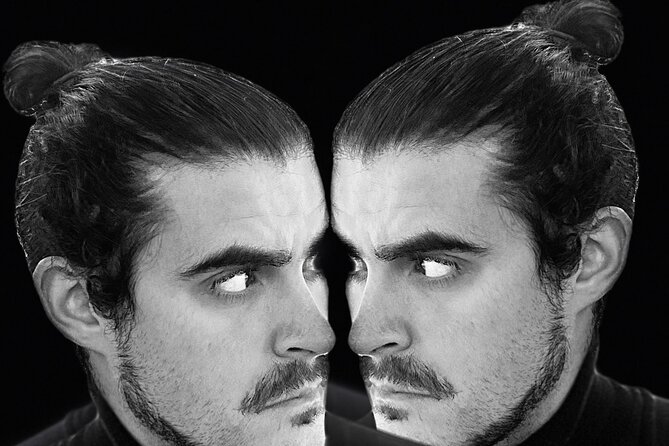
The route continues to the Real Iglesia Parroquial de Santiago y San Juan Bautista for about 10 minutes. Here, the subject is the Crime of Captain Sánchez.
This stop shifts the focus from ghosts and satanic legends to crime. That variety keeps the walk from feeling repetitive. You move from religious fear and supernatural claims to a named case involving a captain, with the church providing the setting.
A true-crime story can be one of the easiest parts of a walking tour to remember because it has people, motives, and consequences. The guide’s job is to explain the case clearly without losing the atmosphere of the street.
This is also a good point for visitors who want more than ghost stories. The tour’s appeal comes from its mixture of historical material and darker folklore. You do not need to be deeply interested in the paranormal to enjoy the crime sections.
Plaza de Oriente and Madrid’s first cemetery
The final stop is Plaza de Oriente, near the Royal Palace, with about 10 minutes devoted to the Vallecas file and Madrid’s first cemetery.
Ending here gives the tour a strong geographic finish. You begin at Plaza Mayor and end in one of the city’s major royal areas, so the route doubles as an orientation walk through central Madrid.
The Vallecas file introduces another famous paranormal theme, while the reference to Madrid’s first cemetery brings the focus back to death and the city’s early development. The combination gives the final stop a broad range: modern paranormal lore on one side, older burial history on the other.
The end point is practical. Afterward, you are near the Royal Palace and can continue with dinner, an evening stroll, or another central Madrid activity. The tour does not include food or drinks, so plan your next stop separately.
The real cost and what you get
The advertised price is $3.62 per group of up to 15, which looks exceptionally low for a walk lasting about 2 hours and 25 minutes. The guide, printed material, and teaching tools are included, along with a link for personalized Madrid recommendations and continued attention from the guide after the walk.
But the tip is not included. The payment model matters more here than the headline price. One guide suggested a $15 contribution and accepted electronic payment, though cash was easier. You should treat the listed amount as a booking charge and budget separately for the guide’s tip.
At that total cost, the experience can be a strong value if you enjoy story-led sightseeing. You get a long central-Madrid walk, several locations, an English-speaking guide, and a set of subjects that would be hard to piece together on your own.
The value depends heavily on the guide. A lively performer can make two and a half hours pass quickly. A less engaging delivery would make the same length feel long. The strongest descriptions of the experience focus on humor, acting, clear explanations, and audience interaction.
Who will enjoy this walk most
I would recommend it to you if you like:
- True crime mixed with history and folklore
- Ghost stories tied to real streets and churches
- Evening activities that do not require a museum ticket
- Guides who act out characters and involve the group
- Seeing central Madrid through a less polished, more unsettling lens
- Family outings with older children or teenagers who enjoy spooky subjects
The walk also suits repeat visitors who have already seen the main royal and art sights. It gives familiar areas a different meaning.
You may want to skip it if you want detailed art history, long indoor visits, or a quiet walk with little audience interaction. The experience is built around storytelling and atmosphere, not formal monument access.
Wear suitable clothing for the season. The route is outdoors, and cold wind made the walk uncomfortable for some people. Comfortable shoes are sensible because the activity lasts more than two hours and includes several transitions between stops.
Free cancellation is available if you cancel at least 24 hours before the start time. Changes or cancellations inside that window are not refunded, and the experience may be rescheduled or refunded if a minimum number of participants is not reached.
Should you book Madrid Oscuro?
Book it if you want an affordable, English-language walk that combines Madrid’s old streets with crime, ghosts, religious fear, and legend. The route is central, the finish near the Royal Palace is useful, and the best guides bring real energy through humor and reenactment.
Go in expecting a theatrical history experience, not a formal lecture or proof of the supernatural. Keep cash or another way to tip ready, dress for the weather, and choose this walk for its stories and guide rather than for monument interiors. For an offbeat evening in Madrid, it is a strong choice.
FAQ
Where does Madrid Oscuro begin?
The tour begins at Plaza Mayor in Madrid’s Centro district.
Where does the tour end?
It ends at Plaza de Oriente, near the Royal Palace.
How long does the tour last?
The experience lasts approximately 2 hours and 25 minutes.
Is the tour offered in English?
Yes. The tour is offered in English.
Is the guide’s tip included?
No. The tip is not included and is given to the guide at the end of the tour.
Can I cancel for a full refund?
Yes, if you cancel at least 24 hours before the experience starts. Cancellations or changes made less than 24 hours before the start time are not refunded.
Just added around Spain
- Zaragoza: Only excommunicated and cursed town with witches in Spain and food★ 4.7 · 6 reviews
- Self-Guided Audio Tour – Ghosts of Madrid: History and terror★ 3.5 · 9 reviews
- Ghosts of Madrid: Exploration Game and Tour★ 5.0 · 4 reviews
- Walking Tour Mysteries and Legends of Barcelona and its Ghosts★ 5.0 · 3 reviews
- Witch Hunt on Montjuïc: Self-Guided Puzzle Quest in Barcelona★ 4.5 · 9 reviews
- Barcelona Ghosts of a Dark Past Gothic Walking Tour★ 5.0 · 55 reviews
- Dark History and Legends Night Walk of Gothic Quarter★ 5.0 · 2 reviews
- The Gothic Trail – Ghosts of Barcelona Exploration Game★ 4.5 · 33 reviews
Spain Ghost Tours, compared.

Gothic Quarter Ghosts and Legends Walking Tour
Read our review →
Seville Evening Historical Tour with Haunted History
Read our review →


Barcelona Dark History Night Walking Tour With Drinks
Read our review →
Barcelona Ghosts and Legends Gothic Quarter Tour
Read our review →Browse the lists this tour appears in