
REVIEW · BARCELONA GHOST TOURS
Barcelona’s Dark History Walking Tour in El Raval
El Raval’s darkest stories are not locked away in a museum. They sit along narrow streets, behind old walls, beside a skater’s plaza, and in a bar that has served absinthe for more than 200 years. This two-hour walk links Barcelona’s grim legends with its art, architecture, politics, and nightlife.
I like the strong mix of fact and folklore, especially the story of the Vampiress of the Raval and the troubled past of Sant Pau del Camp. I also like the change of tone along the route, from the former Casa de la Misericordia to Keith Haring’s political mural and the colorful graffiti near the Three Chimneys.
The main consideration is the subject matter. Stories of abandoned children, murder, macabre performances, and old cabarets are not for everyone. The walk covers about two miles at a leisurely pace, but El Raval’s narrow streets and rough-edged character may feel more intense than a standard sightseeing tour.
Key points to know before walking into El Raval
- The Vampiress of the Raval: Hear the story of Barcelona’s most infamous alleged serial killer and visit the place connected with her.
- Casa de la Misericordia: See a former house of mercy linked to abandoned children and ghostly local tales.
- Keith Haring’s political mural: Stop at the MURAL DEL SIDA behind MACBA, an important piece of public art with a clear message.
- Old Hospital de la Santa Creu: Walk through one of Barcelona’s oldest medical sites, including a garden tied to macabre shows and spells.
- Bar Marsella and Sant Pau del Camp: Connect the city’s creative drinking culture with its oldest church and a local legend.
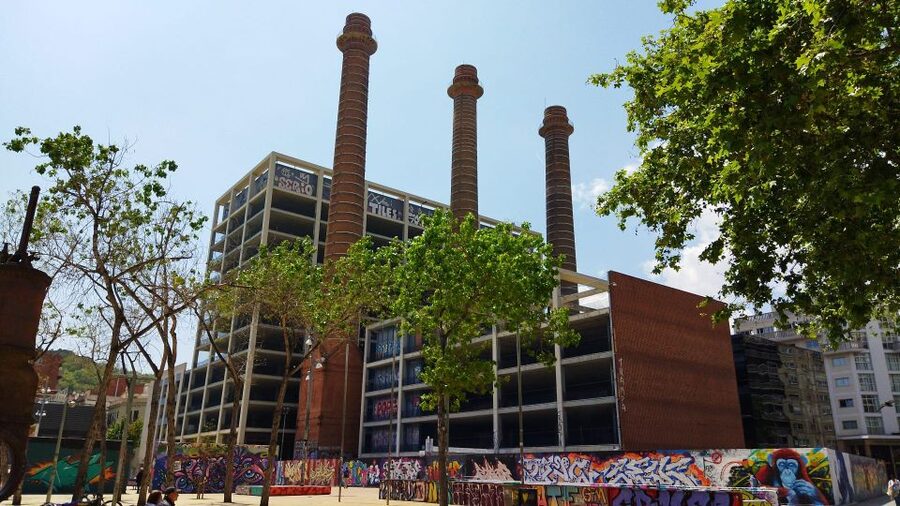
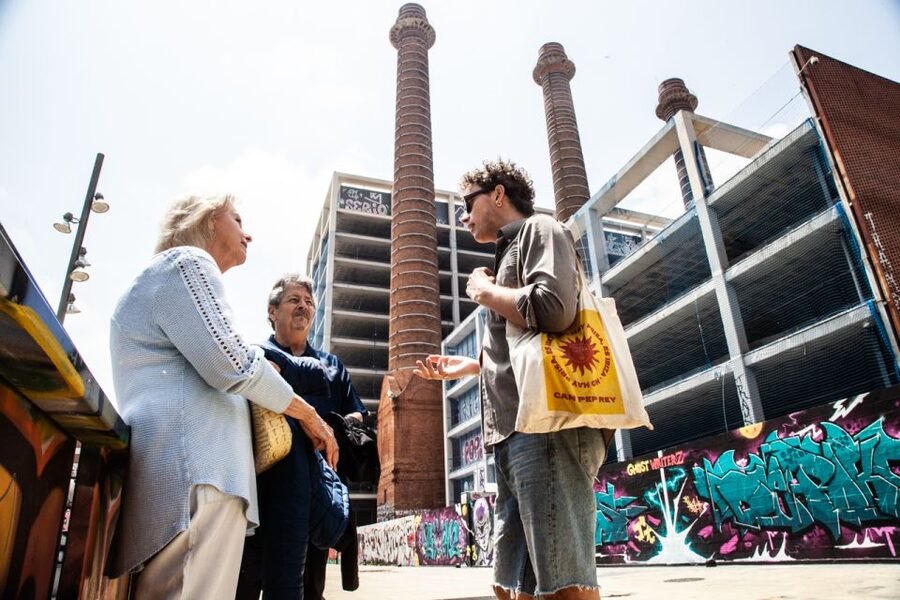
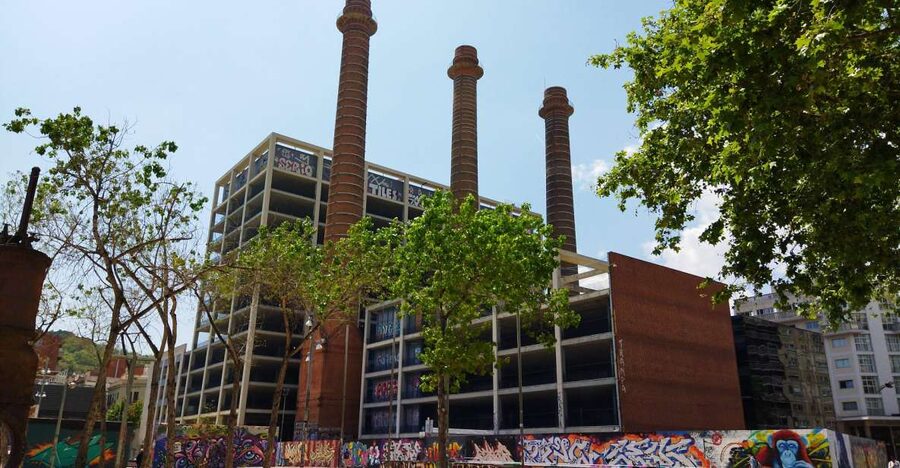
- The Three Chimneys: Finish among changing street art near a former power factory, with a chance of seeing artists at work.
Why El Raval makes such a good setting
El Raval is an urban neighborhood with many layers pressed close together. Medieval lanes, old religious buildings, art institutions, bars, political murals, and former industrial sites all appear within a short walk.
That compact setting gives the tour its shape. You are not simply moving from one famous sight to another. You are watching Barcelona change from one block to the next. A former charity institution leads to a street-art plaza. A centuries-old hospital gives way to a historic bar. An ancient church sits near the remains of a much more recent nightlife district.
The route begins outside Sant Pere Nolasc Mercedaris at Plaça de Castella. This is a useful meeting point because it puts you right at the edge of the neighborhood. You begin near a lively square, then move into the more enclosed streets of El Raval.
The walk is in English and lasts two hours. At around two miles, it is not a strenuous hike, but comfortable shoes still make sense. You will spend much of the time standing while the guide explains the sites, so avoid treating it like a fast city march.
More Dark History Tours in Spain
- Barcelona: Dark History Night Walking Tour
★ 4.8 · 344 reviews - Barcelona’s Dark History Night Tour
★ 5.0 · 181 reviews - Barcelona Dark History Night Walking Tour With Drinks
★ 5.0 · 153 reviews
Casa de la Misericordia and the tour’s unsettling opening
The first major stop is the Fundació Privada Casa de Misericòrdia de Barcelona, formerly a house of mercy. Its past gives the tour an immediate jolt. Children were abandoned here, and local stories claim that some of them still walk the halls.
The value of this stop is not just the spooky angle. It introduces a hard part of city history: institutions created to care for vulnerable people could also hold stories of loss, secrecy, and neglect. The supernatural tale gives the guide a way into that past, but the building itself remains the important subject.
You should expect storytelling rather than a conventional indoor museum visit. The guide explains the site from the route, so this stop works best if you enjoy atmosphere and local legends more than formal displays.
This is also where the tour establishes its tone. The stories can be grim, but the presentation is not meant to be a nonstop horror show. The walk moves between history, rumor, architecture, and modern street life.
Narrow medieval streets and the Keith Haring mural
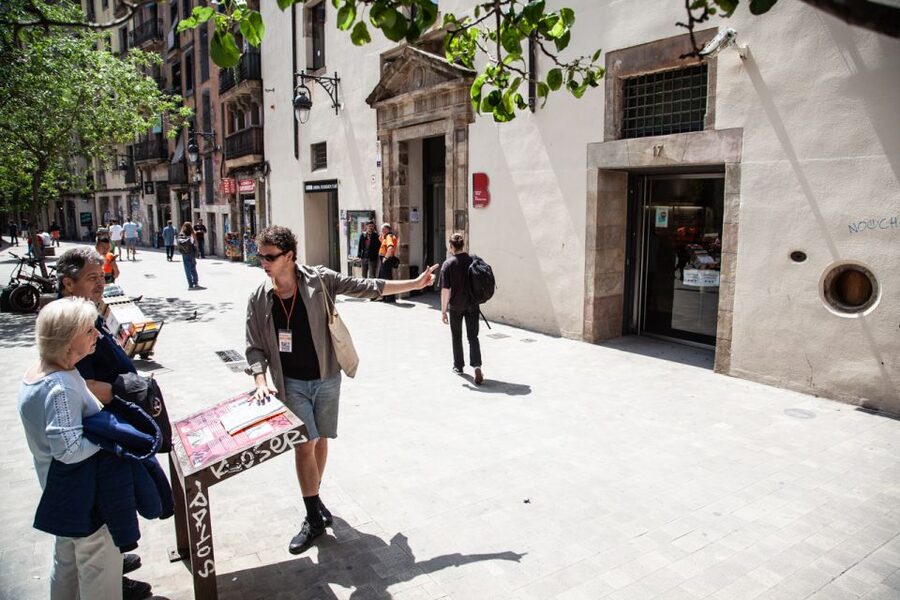
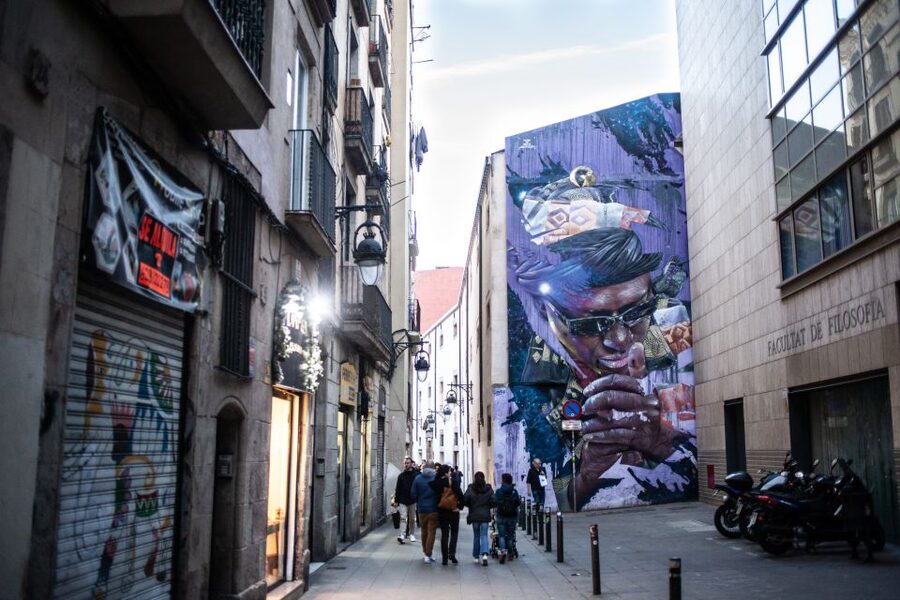
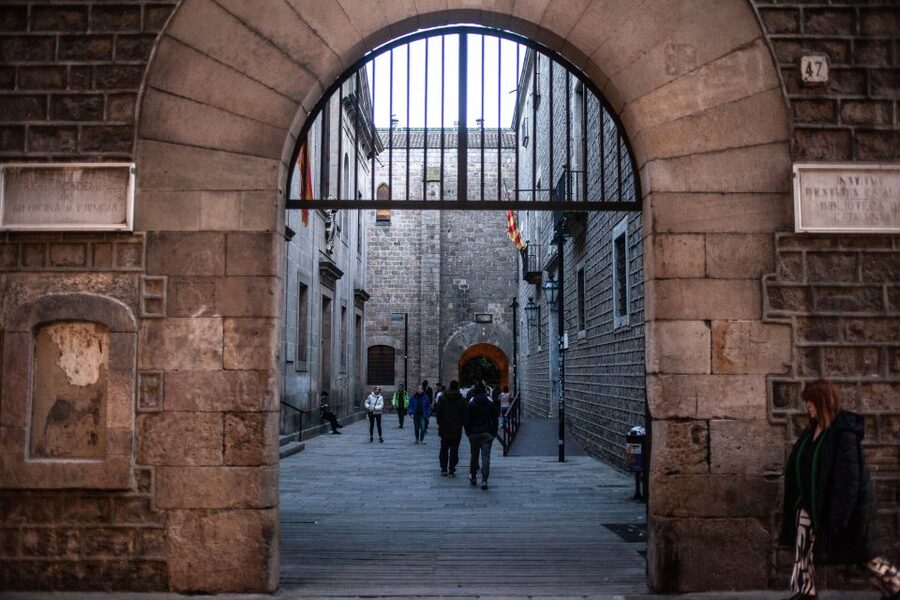
From the Casa de la Misericordia, the route turns through El Raval’s narrow streets. The streets are part of the experience, not just corridors between stops. Their scale helps you understand how different this part of Barcelona feels from the broad avenues and grand squares elsewhere in the city.
You then reach the area around MACBA, the Barcelona Museum of Contemporary Art. The museum is known for its striking modern building and the open space in front of it, which has become a favorite place for skaters.
Behind MACBA, you find the MURAL DEL SIDA, created by Keith Haring. The mural uses simple, almost childlike figures, but its message is political and serious. It deals with AIDS and public awareness, giving the tour a sharp turn from ghost stories to modern activism.
I like this contrast. The mural reminds you that El Raval’s darker side is not only about old crimes or haunted buildings. It also includes disease, public fear, political expression, and the right to claim space in the city.
The MACBA stop may appeal to you even if contemporary art is not normally high on your list. The mural is outdoors and tied directly to the street around it. You do not need to enter the museum to understand why this particular work matters.
Carrer de Joaquín Costa and the Vampiress of the Raval
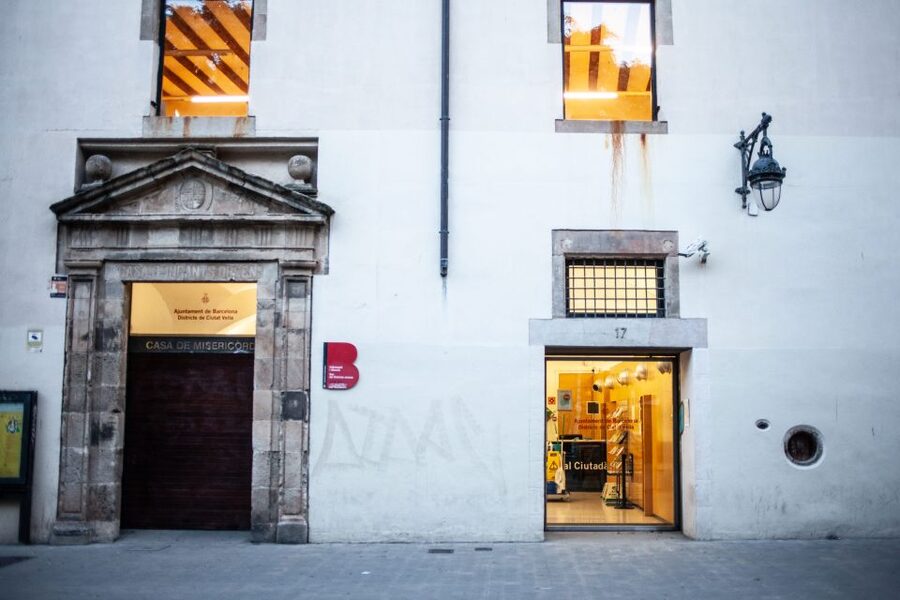
The route continues toward Carrer de Joaquín Costa and the place connected with the Vampiress of the Raval. The story centers on Barcelona’s most infamous alleged serial killer and plays with the uneasy line between a documented past and a legend that refuses to disappear.
This is likely to be one of the tour’s main dramatic moments. The guide does not simply point to a building and name a crime. The stop uses the location to explain how a city turns a disturbing figure into a lasting story.
The vampire label is part of the folklore, not a claim that you are about to encounter a supernatural creature. That distinction matters. If you prefer clear-cut historical fact, you may find this section too theatrical. If you enjoy old urban legends and the way they attach themselves to real streets, it should be a memorable part of the walk.
Guides who have led this experience include Andreas and Owen, also called Eoghan. The delivery matters on a story-led tour. Andreas has been associated with a balance of information and fun, while Owen, or Eoghan, has been noted for a vivid and exciting way of telling the stories. Names can vary by date, so do not assume one particular guide will lead your departure.
More dark history tours in Barcelona:
- Barcelona El Raval Dark History Walking Tour
★ 5.0 · 70 reviews - Barcelona: Gothic Quarter Tour Dark History & Ghosts Tour
★ 4.8 · 64 reviews - Crimes the tour through the Dark Side of Barcelona
★ 5.0 · 15 reviews - Dark History and Legends Night Walk of Gothic Quarter
★ 5.0 · 2 reviews
The old Hospital de la Santa Creu
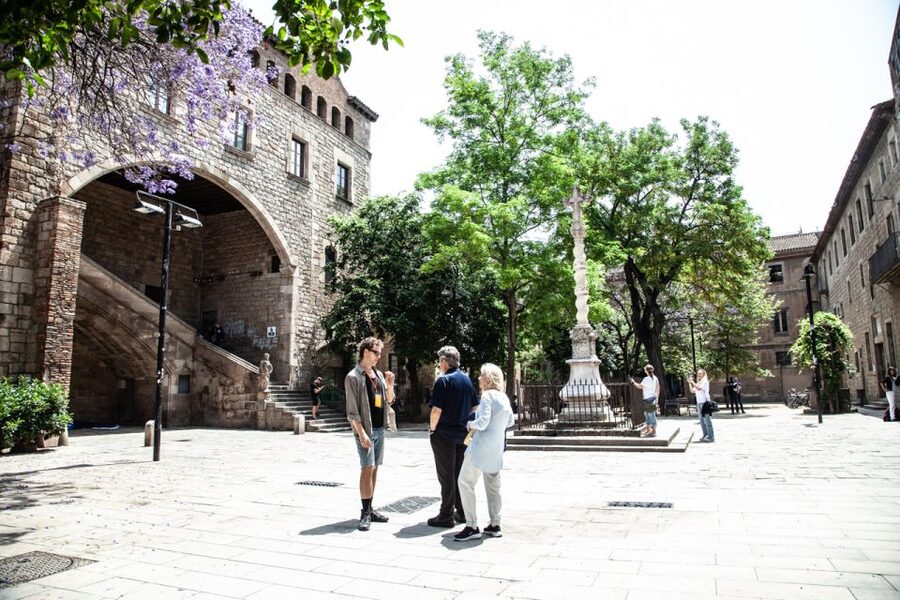
The former Hospital de la Santa Creu adds another layer of history. You walk through the old hospital grounds and garden, a setting linked not only to medical care but also to macabre shows and spells.
The site helps explain why the tour is more than a collection of ghost tales. Hospitals are places where life, death, suffering, religion, and public spectacle have often met. Here, the guide connects the building to the darker performances and beliefs that once took place in the area.
The old hospital can be especially rewarding if you like architecture with a complicated past. You are not only looking at walls and courtyards. You are considering how the purpose of a place can change over time, and how old buildings collect stories long after their original use has ended.
The stop is also a change of pace. After the close streets and the dramatic tale of the Vampiress, the grounds provide more room to look around. Still, this is not a full hospital tour with access to every interior space. The experience focuses on the historic site and the guide’s explanation.
Bar Marsella and Barcelona’s creative drinking past
Next comes Bar Marsella, described as the oldest bar in town. It has been open for more than 200 years and is linked with major creative figures including Dalí, Gaudí, and Picasso.
The bar matters because it shows another side of El Raval’s past. The neighborhood was not only home to charities, hospitals, criminals, and legends. It was also a meeting place for artists and writers. The stop gives you a sense of the social world that surrounded Barcelona’s creative life.
You should not expect a long bar visit or a drink included in the tour. Bar Marsella is a guided stop, not a pub crawl. Its value is in the setting and the stories attached to the place.
This is one of the tour’s more approachable moments. Even if the tales of murder or haunted buildings sound too heavy, the bar offers a link to familiar names and everyday city life. It also gives the route a welcome bit of humor after the hospital and vampire stories.
Sant Pau del Camp and a church with a troubled past
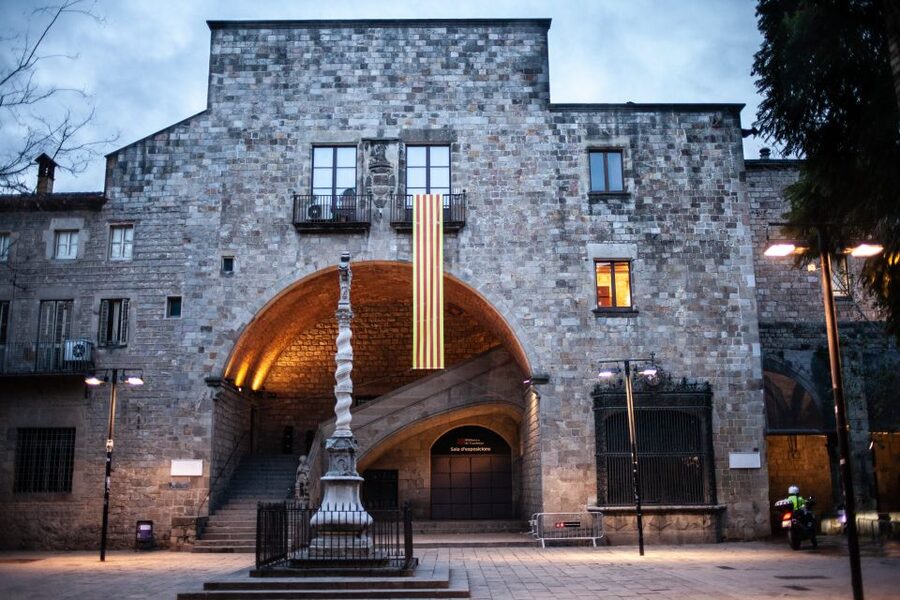
The route then reaches Sant Pau del Camp, a Romanesque church more than 1,000 years old. It is described as Barcelona’s oldest church and carries a troubled past connected with a local legend.
The church is an important counterpoint to the modern art stop. At MACBA, the city’s public space is used for a contemporary political message. At Sant Pau del Camp, the focus shifts to medieval architecture, religion, and the stories that grew around an old sacred place.
You will want to pay attention to the building’s age and style, but the tour does not present the church as a detached architectural monument. Its past is tied to the neighborhood’s fears and legends. That approach can make the church more memorable than a short photo stop with only dates and architectural terms.
The church section may feel brief if you want a full church visit. This is a walking tour, not a specialist Romanesque architecture tour. Its strength is the connection between the building, the legend, and the changing streets around it.
The south side, old nightlife, and the Three Chimneys
The last section moves toward the south side of El Raval, where clubs, cabarets, and casinos were once major attractions. The guide points out places that have survived into the modern city, linking present-day streets with the neighborhood’s nightlife past.
This part gives the tour a broader social angle. El Raval’s darker reputation did not come only from crimes or haunted buildings. Entertainment, gambling, drinking, and sex work also shaped how people viewed the area. The old nightlife stories help explain why the neighborhood developed such an edgy reputation.
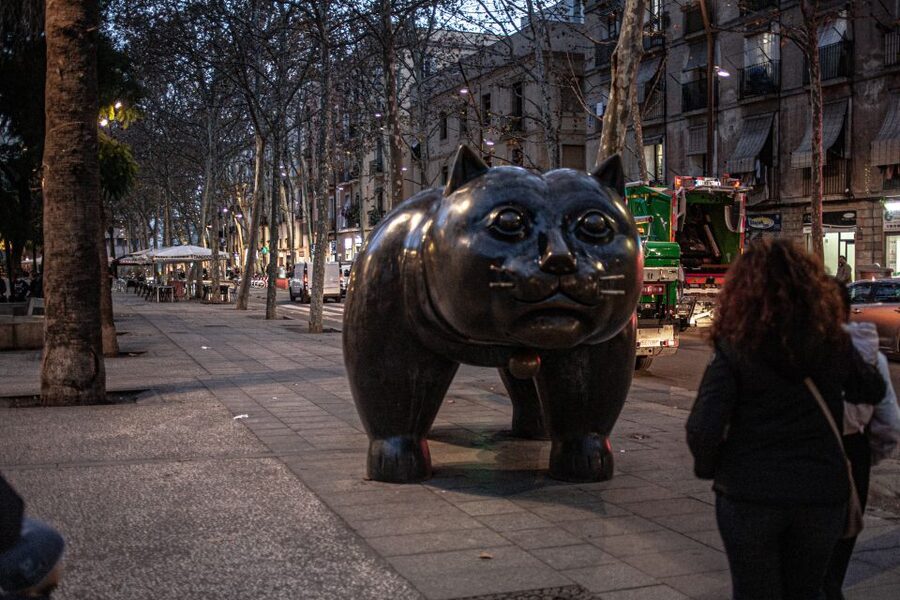
The walk finishes around Jardins de les Tres Xemeneies, near a former power factory. This is one of the best sections for street art. The graffiti changes often, so what you see depends on the day. You might even catch street artists working.
That changing quality is worth noting. Unlike a church or an old hospital, the street art here is temporary. A wall may look different on your next visit. The stop gives you a living view of El Raval rather than a fixed piece of history.
The route information names the Jardins de les Tres Xemeneies as the finish, while the meeting details say the activity ends back at the meeting point. Confirm the exact end point when you reserve, especially if you have a timed dinner or another booking afterward.
Is $33 a fair price for two hours?
At $33 per person, this is a reasonable price if you want a guided introduction to El Raval rather than a list of famous sights. You are paying for a two-hour English-language walk that links nine locations and gives them a shared story.
The value comes from the connections. You could pass Casa de la Misericordia, the Keith Haring mural, Bar Marsella, or Sant Pau del Camp on your own without understanding how their stories fit together. A good guide turns separate places into one readable picture of the neighborhood.
It is less useful if you only want standard sightseeing or a detailed museum visit. The guided tour is the only listed inclusion, and food, drinks, museum entry, and tips are not included. If your main interest is contemporary art, history, or church architecture alone, a specialist tour may give you more depth in one subject.
Tips are optional but appreciated when the guide has done an outstanding job. Since the experience depends heavily on storytelling, the guide’s ability to balance clear facts with dramatic legends affects the value you receive.
Who should book this walk?
I would recommend it to you if you enjoy city history with a darker edge, local legends, political art, and places that show how a neighborhood has changed. It suits first-time visitors who want an introduction to El Raval and returning visitors who want something less predictable than Barcelona’s major monuments.
It is also a good choice for people who like variety. In two hours, you move from a former house of mercy to street art, a serial-killer legend, a hospital, a historic bar, a Romanesque church, old nightlife sites, and a former power-factory area.
You may want to skip it if you dislike stories about murder, abandoned children, or macabre rituals. The tour runs rain or shine, so bring suitable clothing. If extreme weather forces cancellation, a full refund is offered.
The route is wheelchair accessible, and it covers about two miles at a leisurely pace. You can cancel up to 24 hours before the start for a full refund, or reserve now and pay later if you want to keep your plans flexible.
Should you book Barcelona’s Dark History Walking Tour?
Book it if you want to understand El Raval through stories rather than monuments alone. The strongest parts are the unusual mix of the Vampiress legend, Keith Haring’s AIDS mural, the old hospital, Bar Marsella, and Sant Pau del Camp.
For $33, you get a focused introduction to a complicated neighborhood, with enough art and architecture to keep the walk from becoming a simple ghost tour. Just go in expecting atmosphere, folklore, and a lively guide, not a quiet academic lecture or a full interior tour of every building.
FAQ
Where does the tour start?
Meet your English-speaking guide outside the Church of Sant Pere Nolasc in Plaça de Castella, Barcelona.
How long is the walking tour?
The tour lasts two hours and covers about two miles at a leisurely pace.
What language is the tour in?
The tour is conducted in English.
Is the tour wheelchair accessible?
Yes, the activity is listed as wheelchair accessible.
What happens if it rains?
The tour runs rain or shine. If extreme weather causes the operator to cancel, you receive a full refund.
Can I cancel the booking?
You can cancel up to 24 hours before the tour start time for a full refund. You can also reserve now and pay later.
More Walking Tours in Barcelona
- Barcelona Ghosts of a Dark Past Gothic Walking Tour
★ 5.0 · 55 reviews - Barcelona: El Born Ghost Walking Tour.
★ 4.0 · 54 reviews - Barcelona: El Born Ghost Walking Tour
★ 3.8 · 47 reviews - Barcelona: Ghosts of a Dark Past Walking Tour
★ 5.0 · 10 reviews
More Heritage Tours in Barcelona
- History and Hauntings of Salem Guided Walking Tour
★ 5.0 · 14,564 reviews - Savannah History and Haunts Candlelit Ghost Walking Tour
★ 5.0 · 3,235 reviews - Stockholm: Ghost Walk and Historical Tour
★ 4.7 · 2,685 reviews - New Orleans Small-Group Haunted History Carriage Tour
★ 4.5 · 2,289 reviews
Just added around Barcelona
- Walking Tour Mysteries and Legends of Barcelona and its Ghosts★ 5.0 · 3 reviews
- Witch Hunt on Montjuïc: Self-Guided Puzzle Quest in Barcelona★ 4.5 · 9 reviews
- Barcelona Ghosts of a Dark Past Gothic Walking Tour★ 5.0 · 55 reviews
- Dark History and Legends Night Walk of Gothic Quarter★ 5.0 · 2 reviews
- The Gothic Trail – Ghosts of Barcelona Exploration Game★ 4.5 · 33 reviews
- Crimes the tour through the Dark Side of Barcelona★ 5.0 · 15 reviews
- Barcelona Ghosts and Legends Gothic Quarter Tour★ 5.0 · 152 reviews
- Barcelona: El Born Ghost Walking Tour.★ 4.0 · 54 reviews
Barcelona Ghost Tours, compared.
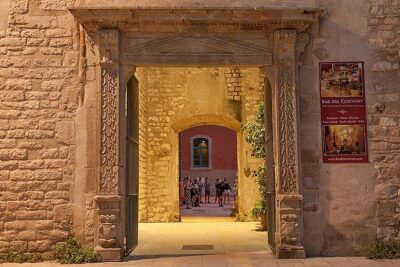

Barcelona Dark History Night Walking Tour With Drinks
Read our review →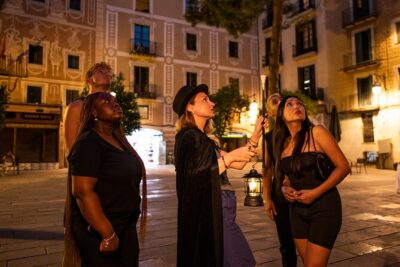
Barcelona Ghosts and Legends Gothic Quarter Tour
Read our review →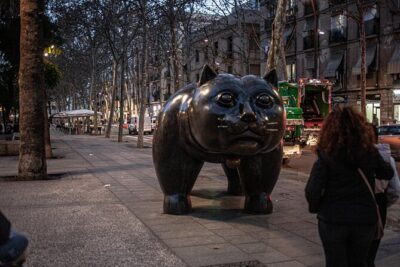
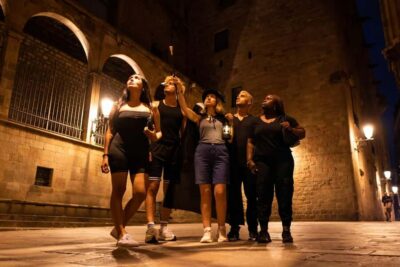
Barcelona Ghosts of a Dark Past Gothic Walking Tour
Read our review →Browse the lists this tour appears in