
REVIEW · MUNICH GHOST TOURS
Munich: Spooky Tour of Old Town in German
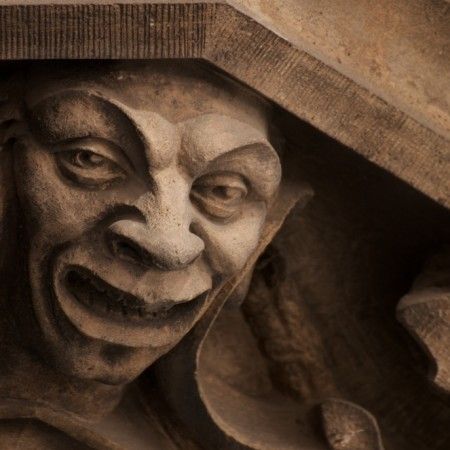
Munich’s old town has a darker side, and this walking tour brings it out from behind the polished facades. Starting at Frauenkirche, you follow old tracks through the southern center, where hangmen, witches, grave-diggers, heretics, and other outcasts once occupied the edges of respectable society.
I like the focused route from Frauenkirche to Sendlinger Tor, which gives the tour a clear shape instead of scattering spooky stories across the whole city. I also like the mix of districts, including the posh Kreuzviertel, lively Angers quarter, and Hackenviertel around the Hofstatt. The main drawback is simple: the tour is only in German, and its grim subject matter is not recommended for children under 12.
- A 105-minute walk from Frauenkirche to Sendlinger Tor keeps the route manageable and easy to place on a Munich sightseeing day.
- Stories of hangmen, witches, devils, and grave-diggers reveal the people respectable society pushed aside.
- The Kreuzviertel, Angers quarter, and Hackenviertel provide the setting for tales of crime, punishment, and curses.
- Guide Uwe has a lively style, with enough humor to keep the mood light even during cold weather and snowfall.
- A small gift is included, adding a modest souvenir to the experience.
- German is the only tour language, so you need strong listening skills to follow the stories.
Munich’s old town after dark
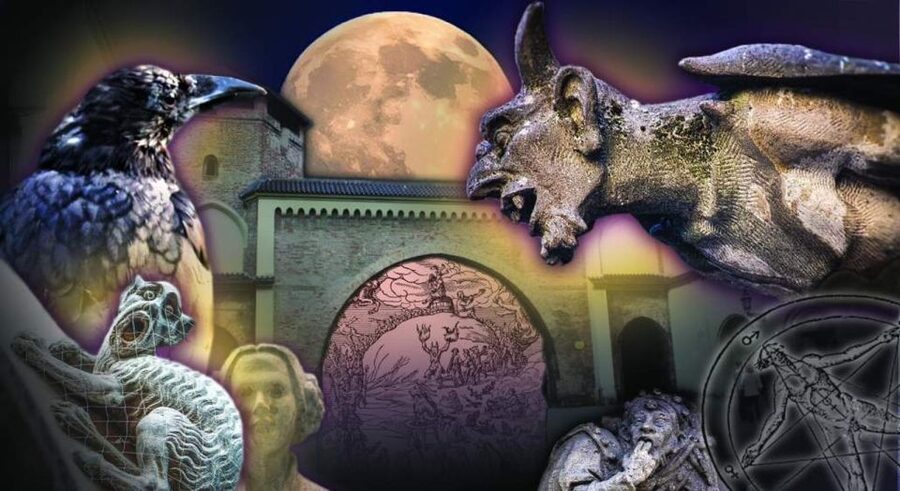
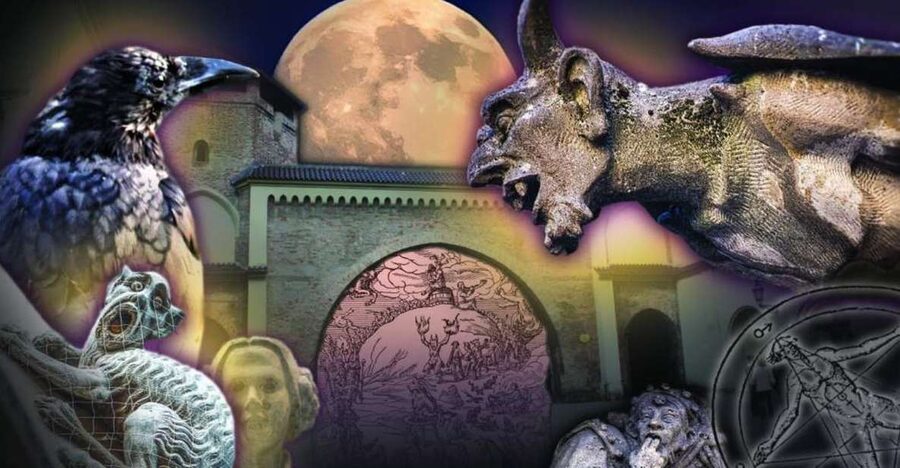
This is not a ghost-story show built around costumes and jump scares. It is a historical walking tour with an eerie theme, using streets and squares in southern Munich as the backdrop for stories about death, crime, punishment, and people living outside polite society.
That distinction matters. You will not simply hear a list of haunted addresses. The guide connects places to the people who once made them feared: executioners, witches, dishonest figures, grave-diggers, heretics, and other characters with little place in the world of good citizens.
The tour lasts about 105 minutes, long enough to develop a mood without taking over your entire day. I see it working well after an afternoon in Munich’s central sights, when you want something more unusual than another church interior or museum collection.
Starting between the Frauenkirche towers
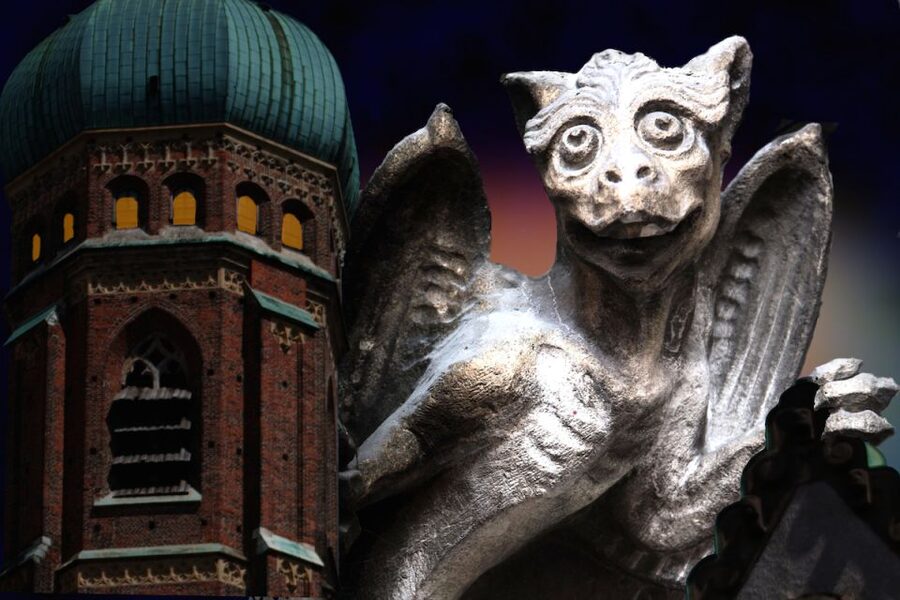
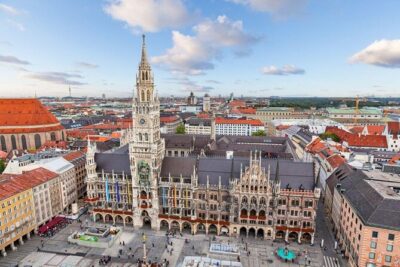
The meeting point is directly in front of the main entrance to Frauenkirche, between its two towers at Frauenplatz. This is a useful location for anyone already exploring central Munich, since the cathedral is one of the city’s easiest landmarks to find.
The opening setting also gives the tour a strong contrast. Frauenkirche represents the grand, public face of Munich. From there, the guide leads you toward stories about people who lived on the opposite side of society, including those whose work was necessary but despised.
You begin by moving away from the clean simplicity of the cathedral’s facade and into the southern old town. The change is not dramatic in distance, but the subject changes quickly. Instead of focusing on royal power, church art, or famous architecture, the tour asks you to think about who handled death, punishment, and public shame.
That makes the meeting point more than a place to gather. It frames the central idea of the walk: respectable Munich and its unwanted underworld existed side by side.
A few more ghost walks around Germany worth a look
- Munich Ghosts and Spirits Evening Walking Tour
★ 5.0 · 1,900 reviews - Gruseltour Leipzig: A Haunted Guided Tour
★ 4.5 · 1,385 reviews - Stuttgart: Guided Ghost Walking Tour
★ 4.5 · 867 reviews
Crossing the Kreuzviertel and Promenade Square
One of the route’s pleasures is the movement through different parts of the old town. The tour includes the Kreuzviertel, described as a posh district, as well as Promenade Square and other nearby places.
These locations help show how close luxury and fear could sit beside one another. A polished quarter can carry stories of grim work and public punishment just as easily as a rougher street. You get a more complicated picture of Munich than the usual postcard version.
Promenade Square adds another recognizable point to the route, but the interest here comes less from a single famous sight than from the way the guide uses the surroundings. Keep your eyes open for the gap between what you see now and what the place represented in earlier centuries.
The tour works best if you accept that some stops may not look spooky at first glance. A modern street or pleasant square rarely announces its darker past. The guide supplies the missing context, and the old stories change how you read the buildings and pavement around you.
The Angers quarter and Hackenviertel
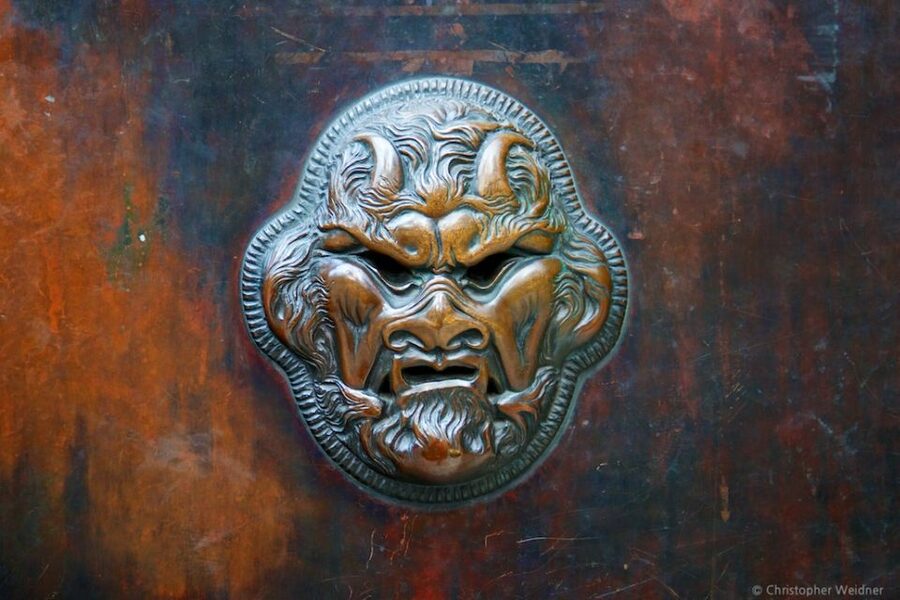
The walk continues through the lively Angers quarter and into the Hackenviertel, including the area around the Hofstatt. This part of the route gives the tour its strongest sense of movement through the city’s old social margins.
The wording of the stories points to a rougher world, one where dishonest figures and unwanted workers remained close to the center but outside accepted society. You hear about people with dirty hands and difficult jobs, not just powerful rulers or celebrated citizens.
The Hackenviertel is especially important because the route criss-crosses it on the way toward Sendlinger Tor. That repeated movement gives the area a larger role than a quick stop would. You are not merely passing through once. You are following a network of old paths connected to crime, punishment, superstition, and fear.
The Hofstatt area also helps ground the stories in a place you can see today. The modern setting may feel ordinary, but that is part of the point. Munich’s darker tales are not confined to a remote ruin or an isolated castle. They are tied to streets in the heart of the city.
Following the tracks of hangmen and grave-diggers
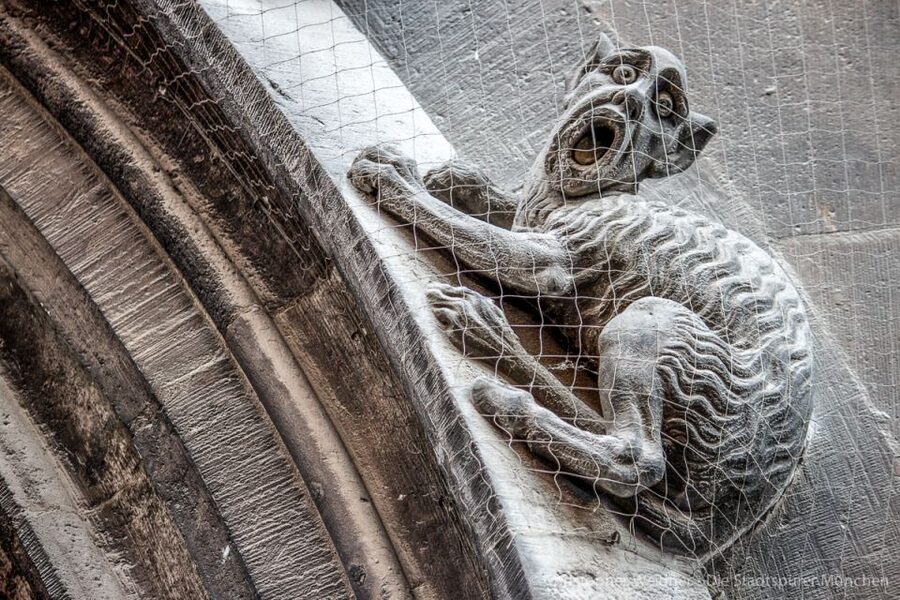
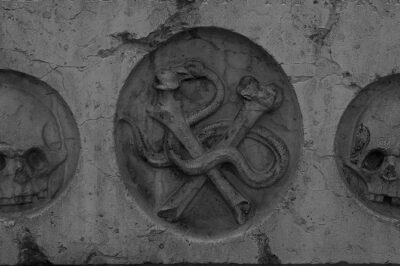
The tour’s most distinctive material concerns the workers who dealt with death and punishment. You learn where the grave-digger shouldered his spade, where ravens circled, and where executioners raised their hatchets.
These details give the walk a physical quality. Instead of hearing only that punishment once happened in Munich, you follow the paths associated with the people who carried it out. The spade, the ravens, and the hatchet become memorable markers for a world where death was part of daily public life.
The guide also introduces hangmen and other figures who occupied an uncomfortable place in society. Their work was required, yet they were not treated like ordinary citizens. That tension is one of the tour’s most interesting themes.
I appreciate this focus because it moves beyond easy ghost tales. You get a look at social history: who was feared, who was shunned, and who was allowed to live inside the city’s moral boundaries. The stories can be grim, but they also explain how earlier communities understood guilt, disgrace, and public order.
Same streets after dark, a different sort of fright:
- Berlin: Haunted Guided Tour in German
★ 4.5 · 696 reviews - Munich: Witches and Executioners Guided Tour
★ 4.7 · 353 reviews - The Dark Side of Bremen: Killers and Criminals
★ 4.4 · 264 reviews - Görlitz: Ghosts and Spooky Historical Night Walking Tour
★ 4.8 · 197 reviews
Witches, demons, and cursed places
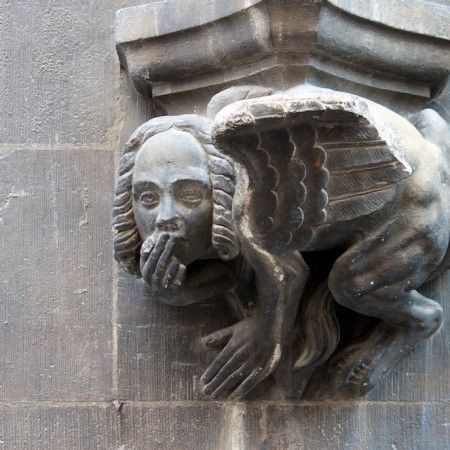
The supernatural side arrives through stories of witches, devils, demons, and cursed places. The tour asks where frightening events took place and why certain locations gained a reputation for evil or misfortune.
You should expect atmosphere rather than proof of the supernatural. The appeal lies in the old beliefs and the way they shaped people’s reactions to particular streets and buildings. A place could become feared because of a crime, an execution, a death, or a story repeated long enough to become part of local memory.
The walk also follows the tracks of heretics and doomed people. These stories broaden the theme beyond simple haunting. The fear may come from religious judgment, social exclusion, or the threat of punishment rather than from an actual apparition.
That mix gives the tour variety. One story may concern a person with a dangerous occupation. Another may focus on a curse. Another may recall the time when citizens went indoors and the streets became unsafe. The subject remains dark, but the stories do not all rely on the same scare.
The city after respectable citizens went home
A memorable theme is the contrast between daytime Munich and the streets after good citizens retired for the night. The tour describes a city where a rogue rabble made the streets unsafe, and where the people who enforced order could be as feared as the people they punished.
This is where the walk can feel most like a journey into another city. You are still in central Munich, but the guide shifts your attention from shops, churches, and public squares to the people who moved through those spaces under cover of darkness.
The subject is not gentle. The tour includes executions, whipping, death, and social outcasts. That is why the age guidance matters. Children under 12 are not recommended, and younger children may find both the subject and the tone too unsettling.
For adults and older teenagers who enjoy dark local history, the material should feel more thoughtful than frightening. You get a sense of how ordinary people lived with public violence, superstition, and the constant presence of death.
A guide-led experience with room for humor
The guide makes a major difference on a tour like this. The stories are easy to make heavy or repetitive, especially when the route includes several tales of punishment and death.
Guide Uwe has been praised for presenting the material in a lively, funny, and engaging way. His ability to keep the group interested during strong snowfall and cold weather is useful evidence of the tour’s tone. The experience can remain entertaining without treating the subject carelessly.
That balance is worth looking for. Too much comedy would weaken the historical material. Too much solemnity would make 105 minutes feel long. A guide who can shift between grim facts and lighter delivery helps the walk hold its shape.
The experience includes a small gift. It is not a major part of the value, but it gives you a physical reminder of the tour and adds a pleasant finishing touch.
Is $26 a fair price?
At $26 per person, this sits in a reasonable range for a guided Munich walking experience lasting nearly two hours. The value depends mainly on how much you want a German-language tour focused on local stories rather than a general introduction to the city.
You are paying for a live guide, a tightly themed route, and access to a side of Munich that standard sightseeing walks often skip. The price looks fair if you enjoy history told through specific streets and characters.
It is less compelling if you want major interior visits, panoramic views, or a broad survey of Munich’s famous landmarks. This tour is not designed to replace a general city walk. It adds a darker layer to a visit you have already begun.
The included gift is a small extra, not a reason to book on its own. The real value is the guide’s storytelling and the way the route connects several southern old-town districts.
Weather, walking, and practical fit
The tour is a walking experience lasting 105 minutes, so wear comfortable shoes and dress for the season. The route moves through central streets and squares, with stops along the way for stories and explanation.
Cold weather deserves attention. The tour operates outdoors, and Uwe’s ability to keep the group engaged during cold and heavy snow shows that the experience can continue in poor conditions. Still, you should be ready to stand and walk outside for the full duration.
The activity is listed as wheelchair accessible, which makes it available to more people than many old-town experiences. If mobility is a key concern, it remains sensible to confirm current route conditions when booking, since historic city streets can vary.
The free cancellation period allows you to cancel up to 24 hours in advance for a full refund. You can also reserve now and pay later, which helps if your Munich schedule is still shifting.
Who should book this dark Munich walk?
I would recommend it to adults and older teenagers who enjoy local legends, unsettling history, and stories about ordinary people at the edge of society. It is especially useful if you have already seen Munich’s major sights and want a more unusual way to read the old town.
German speakers will get the full benefit. Since German is the only language offered, you need to understand spoken German well enough to follow detailed stories while walking.
This is also a good choice for anyone who likes guided experiences with a clear theme. You will hear about hangmen, witches, devils, grave-diggers, heretics, and cursed places rather than receiving a general list of Munich facts.
I would skip it if you are traveling with children under 12, dislike stories about death and punishment, or need a tour in English. I would also choose another activity if your main goal is architecture, art, or interior access.
Should you book the Munich spooky tour?
Book it if you want a German-language history walk with a grim edge, a manageable 105-minute route, and a guide who can keep serious material entertaining. The route from Frauenkirche through the Kreuzviertel, Angers quarter, and Hackenviertel to Sendlinger Tor gives the experience a clear sense of place.
Skip it if you need English commentary or prefer light sightseeing. For the right audience, $26 buys more than spooky tales. It gives you a fresh way to see Munich’s old town, through the workers, outcasts, criminals, and feared figures who helped shape its past.
FAQ
Where does the tour meet?
The meeting point is directly in front of the main entrance to Frauenkirche, between the two towers at Frauenplatz in Munich.
How long does the tour last?
The walking tour lasts approximately 105 minutes.
What language is the tour offered in?
The tour is offered only in German, with a live German-speaking guide.
Which parts of Munich does the route visit?
The route covers Munich’s southern old town, including the Kreuzviertel, Promenade Square, the Angers quarter, and the Hackenviertel around the Hofstatt. It runs from Frauenkirche toward Sendlinger Tor.
What subjects does the tour cover?
The tour covers Munich’s darker past, including hangmen, witches, grave-diggers, executioners, devils, demons, heretics, cursed places, and people who lived outside respectable society.
Is the tour suitable for children?
The tour is not recommended for children under 12 because of its dark subject matter.
Is the tour wheelchair accessible?
Yes. The activity is listed as wheelchair accessible.
Can I cancel the booking?
Yes. You can cancel up to 24 hours in advance for a full refund. You can also reserve now and pay later.
Just added around Germany
- Witches, ghosts and executioners / Mystical North Hesse★ 4.4 · 4 reviews
- Creepy city tour Experience the dark side of Görlitz★ 5.0 · 63 reviews
- Nuremberg Ghosts and Gallows Evening Walking Tour in English★ 5.0 · 56 reviews
- Executioners, whores, witches with drama★ 5.0 · 7 reviews
- The Original Haunted Walk of Munich in English★ 4.5 · 13 reviews
- Ghosts of Munich: The Haunted Apprentice Exploration Game★ 4.0 · 19 reviews
- Cologne Haunted Quest: The Witch Self-Guided Tour★ 3.0 · 38 reviews
- Gruseltour Berlin Haunted Ghost Walk 90-minute at Berlin Mitte city center★ 5.0 · 75 reviews
Munich Ghost Tours, compared.
Munich Ghosts and Spirits Evening Walking Tour
Read our review →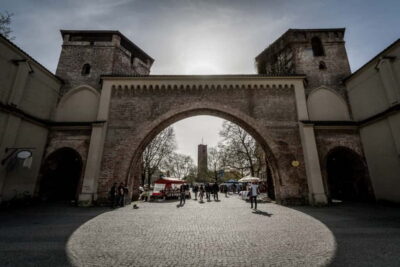
Ghosts of Munich: The Haunted Apprentice Exploration Game
Read our review →
Browse the lists this tour appears in