
REVIEW · MUNICH GHOST TOURS
Munich: Witches and Executioners Guided Tour
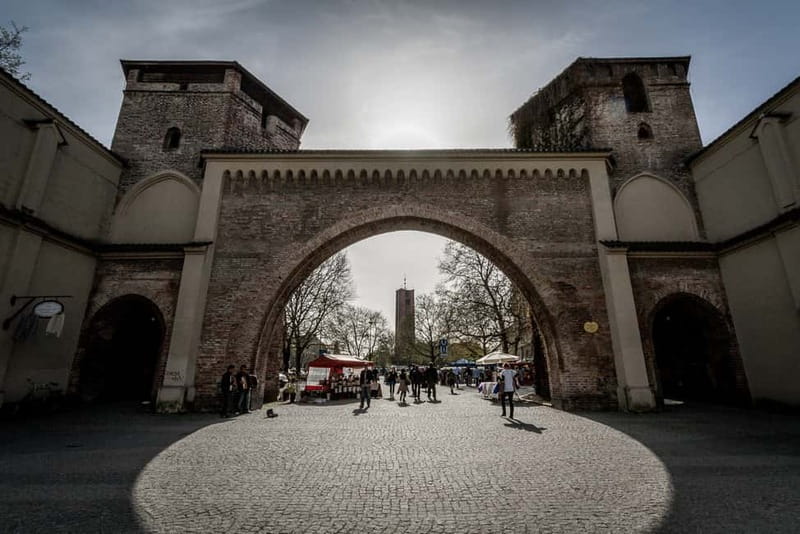
Munich’s old town has a darker side than its polished squares suggest. This 105-minute walking tour follows the southern center from Frauenkirche to Sendlinger Tor, tracing places linked with witches, executioners, grave-diggers, and other people pushed to the edge of society. I like the focus on real streets and old quarters rather than a staged haunted-house show. I also like the way the route connects the lively Angers quarter, Hackenviertel, and Hofstatt with the grim work once done there. The catch is simple: this is a German-language tour, and the mood depends more on storytelling than on theatrical effects.
The price is about $26 per person, a fair deal if you enjoy guided city walks and want a side of Munich that standard sightseeing often skips. Guides including Susanne and Patricia have been praised for clear, lively storytelling and humor, but winter can be very cold, and the tour may feel more informative than spooky.
Key points to know before you book
- A route through southern Munich: Walk from Frauenkirche to Sendlinger Tor by way of the Angers quarter, Hackenviertel, and Hofstatt.
- Dark local stories: Hear about witches, executioners, hangmen, whores, grave-diggers, and other people treated as social outcasts.
- A strong German-speaking guide matters: Susanne and Patricia are among the guides who have led the tour, with an emphasis on vivid narration.
- A historical mood, not a fright attraction: The subject matter is unsettling, but the experience centers on places and stories rather than special effects.
- Good value for a focused city walk: At about $26, the cost is reasonable for 1 hour and 45 minutes with a live guide and a small gift.
- Best for ages 14 and up: The tour is not suitable for children under 14 and can be taken by wheelchair users.
Starting at Frauenkirche with Munich’s darker past
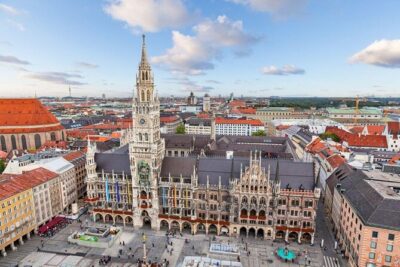
You meet in front of the main entrance to Frauenkirche on Frauenplatz, between the church’s two towers. That is a useful meeting point because it is easy to identify, but the square can be busy, so arrive with enough time to find the entrance and your guide.
The church gives the tour a strong opening setting. You begin in one of Munich’s best-known central places, then turn your attention away from grand religious buildings and toward the people who worked in less respected corners of urban life. The contrast is part of the appeal. Munich can feel tidy and orderly today, but the tour asks you to picture a city where death, punishment, and public fear were much closer to daily life.
I like this starting point because you do not need a separate museum visit or a long ride across town to reach the subject. The route begins right in the old center and lets the streets provide the setting. You will be walking, listening, and looking for traces of the past rather than standing in a dark room while an actor tries to frighten you.
The guide is central to the experience. The tour is conducted in German, and the strongest moments depend on the guide’s ability to explain unfamiliar jobs and social customs in a clear way. Susanne has been praised for an authentic manner and strong storytelling, while Patricia has been described as humorous and especially good at keeping a group engaged, even in bitter cold.
More Witch Tours in Germany
- Witch Trials in Bamberg
★ 4.4 · 187 reviews - Oldenburg: “Executioners, witches & scoundrels” (crime thriller tour)
★ 4.6 · 50 reviews - Freiburg: Acting tour “Witches, Torture, Stake” with Historix-Tours
★ 4.7 · 42 reviews
Through the Angers quarter and Hackenviertel
From Frauenkirche, the route crosses the southern old town toward the Angers quarter and Hackenviertel. The walk is not simply a list of grim tales. It shows how certain occupations and people were tied to particular parts of the city, and how ordinary streets could carry a fearful reputation after dark.
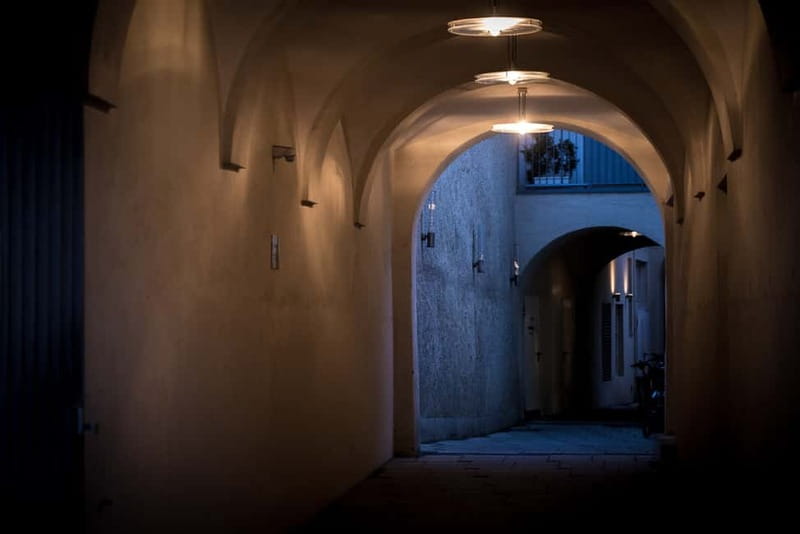
The Hackenviertel, with the Hofstatt, gives the tour room to connect past and present. You are still in an active part of Munich, but the guide points out the places where older stories took shape. The modern surroundings can make the subject sharper. Instead of seeing the past as something sealed away, you begin to notice how its locations remain part of the city you are visiting now.
This part of the route should suit you if you enjoy urban history that is linked to specific addresses and streets. You are not being asked to memorize a long list of dates. You are being shown how people once understood danger, shame, punishment, and bad luck in the place where they lived.
The tour’s theme is also social history in plain clothes. Witches, executioners, grave-diggers, and whores did not all occupy the same role, but they shared a place outside the respectability prized by good citizens. The guide explains the dishonest jobs of the Middle Ages and the suspicion attached to dirty hands, contact with death, or work that society needed but did not want to honor.
That idea gives the walk more weight than a simple ghost story. You hear about fear, but you also see how a city treated people whose labor was necessary. The subject can be uncomfortable, which is exactly why it offers a useful counterpoint to Munich’s palaces, churches, and cheerful beer-hall image.
Witches, executioners, and the work nobody wanted
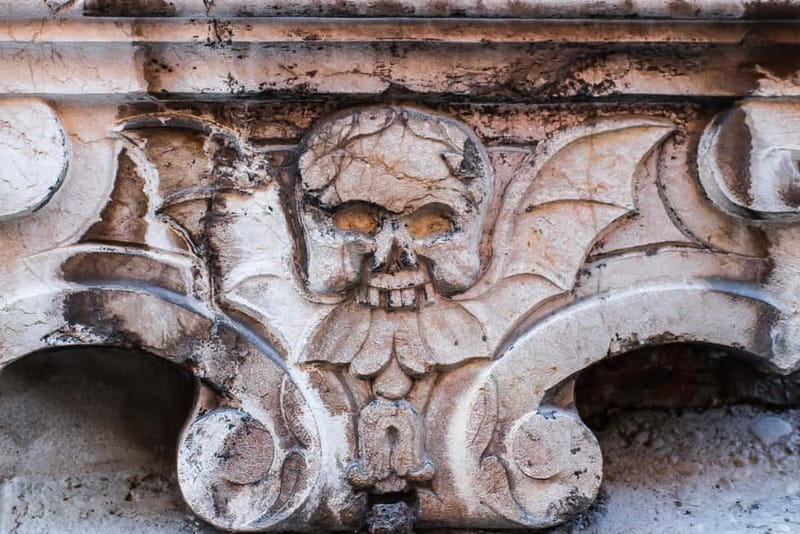
The tour introduces a cast of shady and feared figures. Witches represent the terror of accusation and the idea that a person could become linked with evil in the public mind. Executioners and hangmen carried out punishment, yet their work also marked them as outsiders. Grave-diggers handled the dead, while other disreputable workers operated in the margins of accepted society.
I appreciate that the experience focuses on these roles rather than treating them as cartoon villains. The guide’s job is to explain why people feared them and why certain occupations made social life difficult. The walk becomes a lesson in how communities draw lines between respectable and unacceptable work.
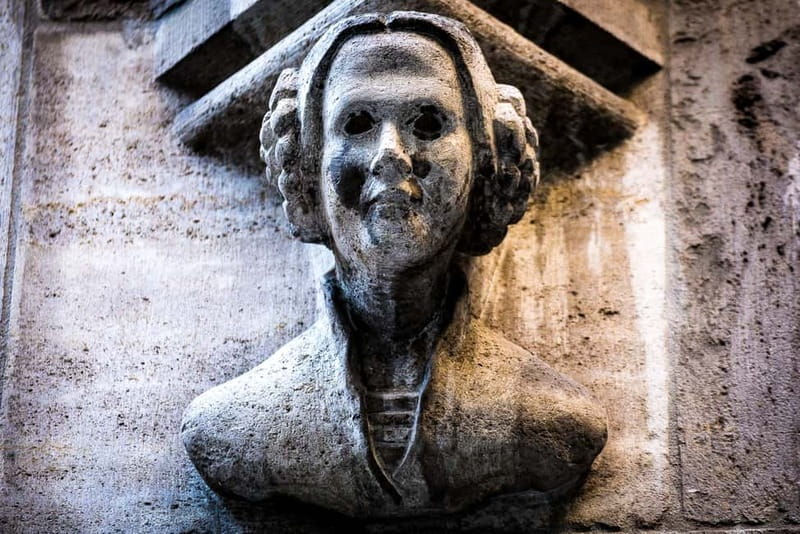
You will hear where the grave-digger shouldered his spade, where ravens circled, and where executioners used their hatchets. These details give the stories a physical shape. A spade, a bird overhead, or a tool used in punishment can make the past easier to picture than a general speech about medieval justice.
The stories also touch on the rogue rabble that made streets unsafe after good citizens went home for the night. This part of the tour should appeal to anyone curious about the city after dark, when taverns, alleys, punishment, and rumor could change how a neighborhood felt.
Still, keep your expectations in check. The supplied details do not promise actors, staged scenes, props, or jump scares. One useful way to think of the tour is as a dark history walk with an eerie setting. You may find it spooky, but the experience is built on narration and place.
Cursed places and frightening events
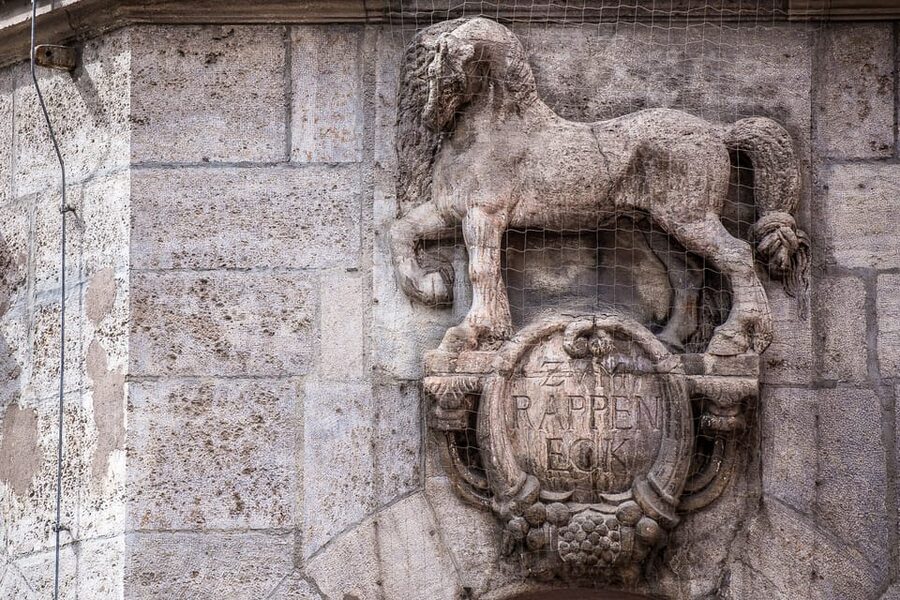
The route includes cursed places and stories of scary events that took place there. The word cursed can suggest a highly theatrical show, but here it works best as part of the guide’s account of how people understood certain locations.
I like this approach because it leaves room for your own imagination. A guide can point to a street or building area and explain why it was feared. You then see the same place in the present, with ordinary city life continuing around it. That gap between the current scene and the old story creates much of the mood.
Darkness may help the atmosphere, especially if your departure time takes you through the old town at night. One point to consider is that a recent winter tour was described as informative and enjoyable but not quite mysterious enough. The setting was already compelling, yet the experience might have felt more atmospheric with a lantern or a stronger visual touch.
That is a fair warning for anyone booking this as a ghost tour. If you want a dramatic fright attraction, this may seem restrained. If you prefer a guide who explains the background and lets the locations do some of the work, the balance should suit you.
Cold weather matters too. The route takes around 105 minutes, and much of that time is spent outdoors. Patricia was praised for keeping the group amused during very cold conditions, but you should still dress warmly in winter. Gloves, a hat, and shoes suited to walking on city streets will make it easier to concentrate on the stories.
More witch trial tours in Germany:
- Cologne Haunted Quest: The Witch Self-Guided Tour
★ 3.0 · 38 reviews - Goslar: Witches – From delusion to myth
★ 4.7 · 16 reviews - Executioners, whores, witches with drama
★ 5.0 · 7 reviews - Witches, ghosts and executioners / Mystical North Hesse
★ 4.4 · 4 reviews
From Hofstatt to Sendlinger Tor
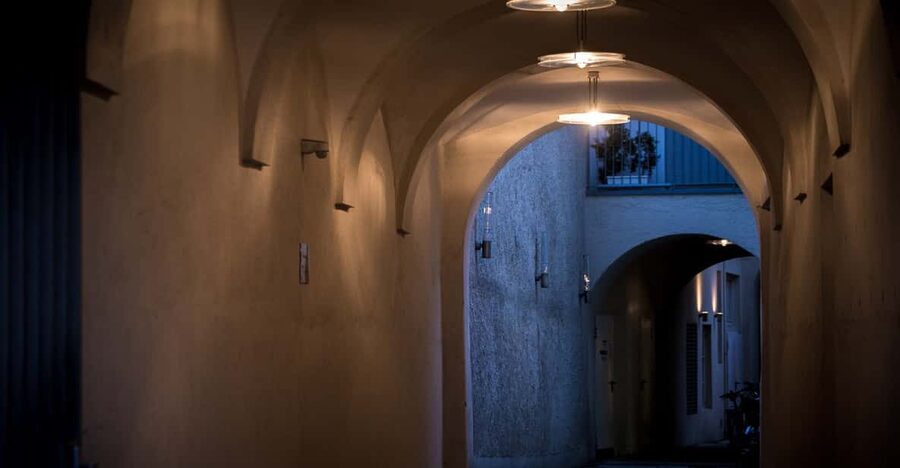
As the walk continues through the Hackenviertel, the guide links separate locations into one route toward Sendlinger Tor. This gives the experience a clear sense of progress. You are not circling one small square. You are crossing a meaningful stretch of the southern old town and seeing how the stories fit into the wider city.
Sendlinger Tor makes a natural finish. The tour begins at Frauenkirche, one of Munich’s central landmarks, and ends at a major old-town gate area. That makes it easier to continue your evening from there, though the activity information does not promise a return to the meeting point.
The route’s practical value is easy to overlook. After 105 minutes, you will have a better feel for the southern old town’s layout, including the direction from Frauenplatz toward Sendlinger Tor. I would not book this as a substitute for a general Munich orientation tour, since the focus is firmly on dark stories and marginal figures. But it can add a different layer to a first visit, especially if you have already seen the main sights.
The walk also gives you a reason to look at ordinary streets with more attention. Instead of rushing between famous buildings, you listen for the older meaning of a quarter or a corner. That is the kind of city touring I enjoy: the route changes how you see places you might otherwise pass without a thought.
How the guide shapes the evening
This tour rises or falls on presentation. The guide must explain sensitive subjects without making them dull, while also keeping the tone suitable for an audience aged 14 and older. The strongest feedback points to guides who know the material, tell it clearly, and add humor without losing the darker mood.
Susanne is noted for an authentic style, and Patricia for humor and strong storytelling. Those names are useful when you are comparing dates, but you should not assume that either guide will lead your specific departure unless the booking details confirm it.
The German-only format is the biggest practical limit. If you do not understand German well, you will miss much of the value, since the tour depends on spoken explanation rather than visual displays or translated text. For German speakers, though, the language can make the stories feel more natural and immediate.
The group size is not stated, so I would not promise an intimate walk. The activity is described as a guided walking tour, and the presence of a live local guide means you should expect to stay with the group through the route. Ask at booking if group size matters strongly to you.
Is $26 a fair price?
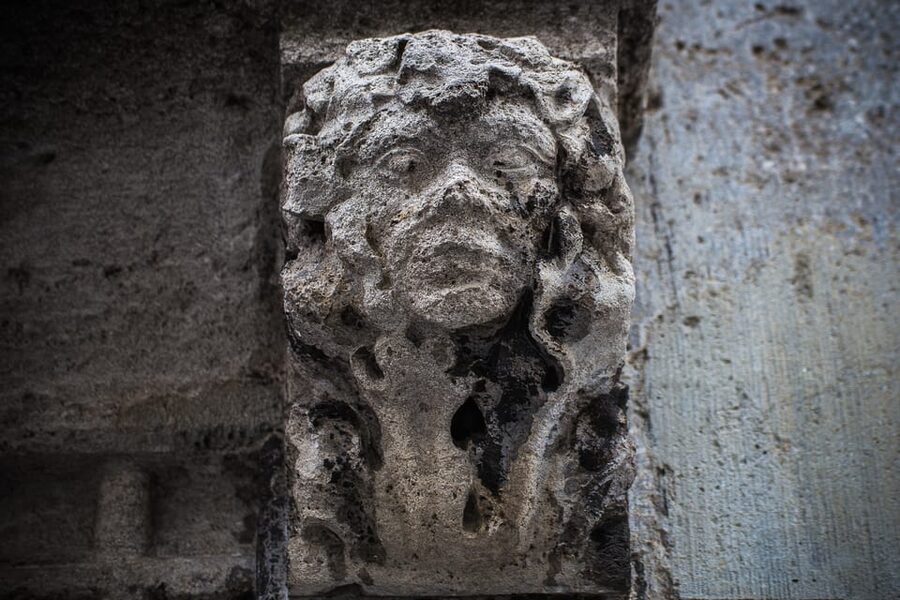
At about $26 per person, the price is reasonable for 1 hour and 45 minutes of guided sightseeing in central Munich. You are paying for a focused theme, a live German-speaking guide, the route through several old-town areas, and a small gift.
The value is strongest if you enjoy stories about social customs, punishment, and people on the fringes of society. You are not paying admission to a major museum, and you should not expect a large set of included attractions. The main product is the guide’s storytelling combined with the streets themselves.
I would compare it with the cost of an ordinary evening activity. If you want something more personal than simply walking through Munich at night, $26 is a sensible outlay. If you are seeking a high-production ghost show, the price may feel less attractive because the tour does not promise actors or special effects.
The free cancellation option up to 24 hours before the tour and the chance to reserve now and pay later also reduce the risk of fitting it into a changing schedule. Those policies are useful, but the main question remains whether the German-language format and historical theme match your interests.
Who should book this Munich walking tour?
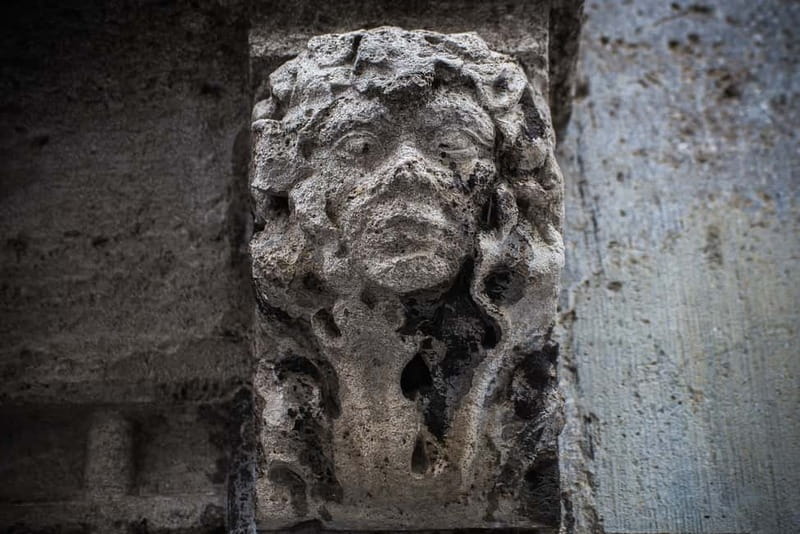
I would recommend it to adults and older teenagers who enjoy unusual city history, atmospheric walks, and stories about people left outside polite society. It also suits repeat visitors who have already covered Munich’s main churches, squares, and royal sights and want a different angle on the old town.
German-speaking visitors will get the full benefit. The tour can also work for anyone studying German at a level that allows them to follow a 105-minute spoken presentation, though the subject includes specialized historical terms and may require strong listening skills.
I would be cautious if you dislike walking outdoors, find stories about execution and death unpleasant, or want a light evening activity. The route is wheelchair accessible, but the experience still lasts nearly two hours and follows city streets, so consider your own comfort with that length of outing.
Children under 14 are not suitable for this activity. For families with older teenagers, the material could lead to good conversations about fear, punishment, and social status, but it is not a cheerful family entertainment program.
Final verdict: book it for the stories, not the scares

Book this tour if you want Munich’s old town to feel less polished and more human. I like its clear route from Frauenkirche to Sendlinger Tor, its attention to overlooked occupations, and its use of real neighborhoods rather than a manufactured haunted attraction.
The strongest reason to go is the guide. A lively storyteller such as Susanne or Patricia can turn a cold evening walk into a memorable look at witches, executioners, grave-diggers, and other figures who helped a medieval city function while remaining unwelcome within it.
Skip it if you need English, want a major attraction included, or expect lanterns, actors, and constant scares. For German speakers who enjoy a thoughtful, slightly grim walk through Munich’s southern old town, $26 is a solid price for a distinctive evening.
FAQ
Where does the Munich Witches and Executioners tour meet?
The meeting point is in front of the main entrance to Frauenkirche on Frauenplatz, between the church’s two towers.
How long does the tour last?
The tour lasts about 105 minutes, or 1 hour and 45 minutes.
What language is the tour in?
The live tour is conducted in German.
Where does the walking route go?
The route begins at Frauenkirche and crosses the southern old town through the Angers quarter, Hackenviertel, and Hofstatt before finishing at Sendlinger Tor.
Is the tour suitable for children?
No. Children under 14 are not suitable for this activity.
Is the tour wheelchair accessible?
Yes, the activity is listed as wheelchair accessible.
Just added around Germany
- Witches, ghosts and executioners / Mystical North Hesse★ 4.4 · 4 reviews
- Creepy city tour Experience the dark side of Görlitz★ 5.0 · 63 reviews
- Nuremberg Ghosts and Gallows Evening Walking Tour in English★ 5.0 · 56 reviews
- Executioners, whores, witches with drama★ 5.0 · 7 reviews
- The Original Haunted Walk of Munich in English★ 4.5 · 13 reviews
- Ghosts of Munich: The Haunted Apprentice Exploration Game★ 4.0 · 19 reviews
- Cologne Haunted Quest: The Witch Self-Guided Tour★ 3.0 · 38 reviews
- Gruseltour Berlin Haunted Ghost Walk 90-minute at Berlin Mitte city center★ 5.0 · 75 reviews
Munich Ghost Tours, compared.
Munich Ghosts and Spirits Evening Walking Tour
Read our review →
Ghosts of Munich: The Haunted Apprentice Exploration Game
Read our review →
Browse the lists this tour appears in