
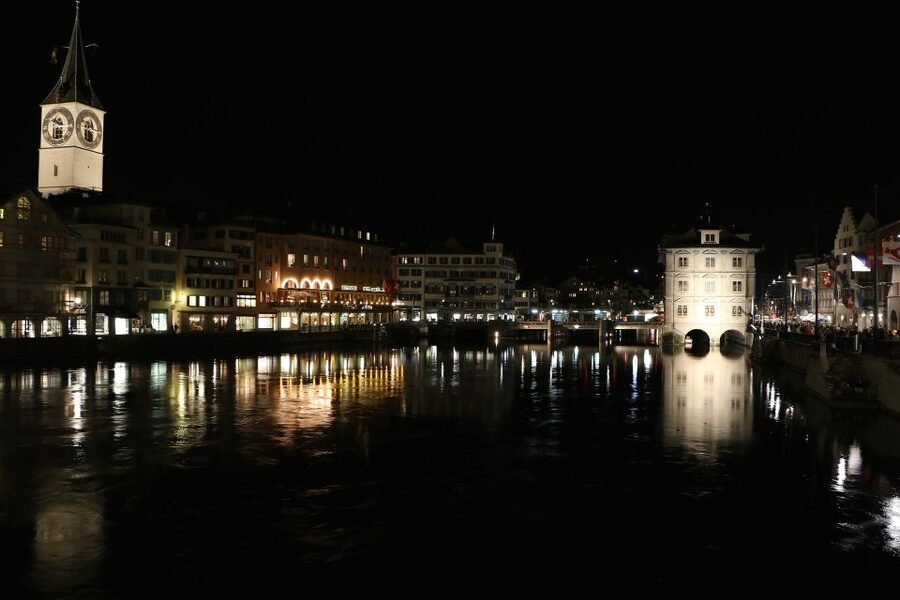
REVIEW · DARK HISTORY & TRUE CRIME TOURS
The Dark Side of Zurich: Self-Guided Audio City Tour
Zurich may look polished and peaceful today, but this self-guided walk leads you through its grim medieval past. You’ll hear about executions, witchcraft accusations, torture, public punishment, and the real people caught in the city’s justice system.
I like the clear route instructions and photos, which make it easier to follow the walk without a guide beside you. I also like the true personal stories, including a woman tortured 15 times in 26 days and the wealthy Zurich resident executed for witchcraft.
The main drawback is the serious subject matter. This is not a light sightseeing stroll, and there is no live guide to answer questions or help if you lose your place. You’ll need a charged phone, internet access, and headphones.
Key points to know before you go
- Start at Paradeplatz: The route begins in central Zurich and takes about 1.5 to 2 hours.
- Hear real stories of witch trials: The audio covers torture, accusations, revenge, and medieval prosecutions.
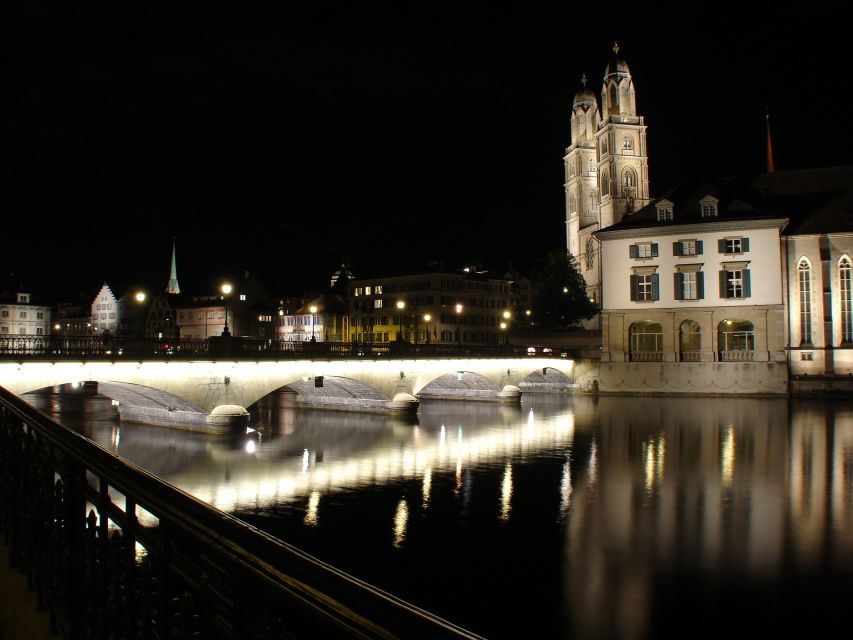
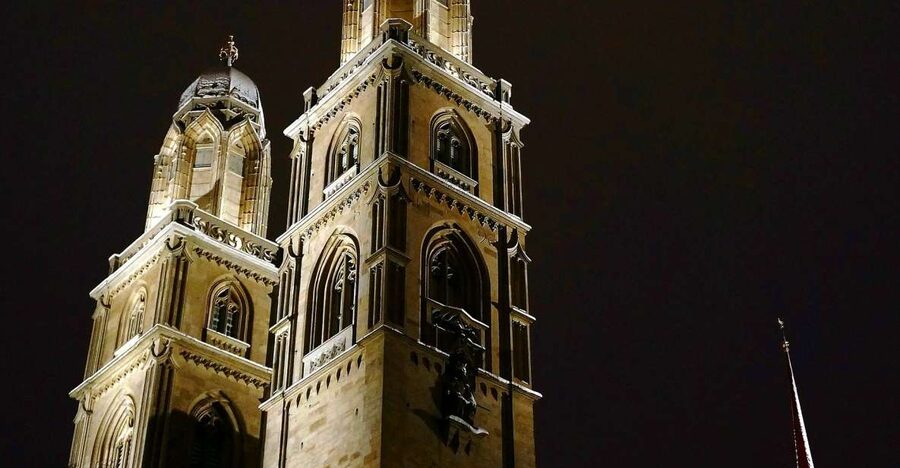
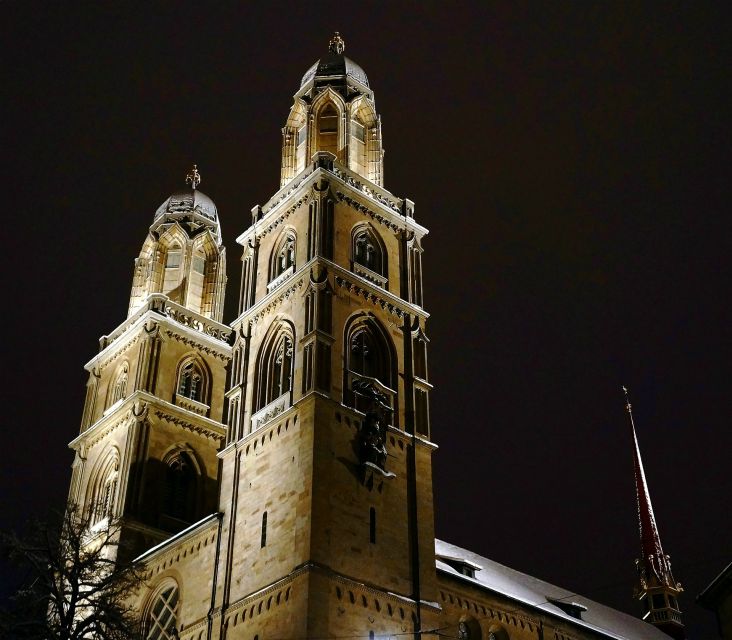
- Follow a route through major landmarks: You’ll pass the Fraumünster, Water Church, Grossmünster, and the monument to Hans Waldmann.
- Visit former punishment sites: The walk points out places connected with executions, drowning, burning, hanging, the pillory, and death sentences.
- Use your own phone: The link arrives after booking, and you explore independently with an English or Russian audio guide.
- Best for mature visitors: The subject is dark and the route is not suitable for children under 16 or wheelchair users.
A darker side of Zurich begins at Paradeplatz
The tour starts at Paradeplatz, one of Zurich’s best-known central squares. Instead of beginning with grand architecture or shopping streets, the audio guide quickly turns your attention to the city’s old justice system.
You’ll learn where executioners lived and how much they were paid. That detail helps make the past feel less abstract. An executioner was not simply a shadowy figure at the edge of town. He was part of city life, with a home, a salary, and a role that authorities relied on.
This opening also sets the tone for the walk. You are not just hearing dates and names. You are following the physical route of punishment through the city, seeing the places where sentences were announced, carried out, or connected with public shame.
The audio guide is available in English or Russian and is recorded by a professional speaker. Its photos and directions are useful because a modern street rarely announces what happened there centuries ago. You’ll need to keep the route instructions open on your phone as you walk.
More self-guided ghost trails in the world:
- Self-Guided Smartphone Ghost Walking Tour in Salem
★ 4.5 · 225 reviews - Ghosts of Gettysburg Self-Guided Driving Audio Tour
★ 4.0 · 77 reviews - Glasgow Ghost Hunt: The Soul That Got Away Exploration Game
★ 4.0 · 71 reviews
Why the witchcraft stories matter
The strongest part of this experience is its focus on individual people accused of witchcraft. Medieval witch trials can become a blur of old laws and superstition, but the stories here give the subject a human face.
One account concerns a woman who was tortured 15 times over 26 days. That detail is hard to forget. It shows how accusations were turned into forced confessions, and how torture could become a repeated process rather than a single act.
You’ll also visit the place where people accused of witchcraft were tortured. The physical location gives the audio extra force. You are not hearing the story in a museum room removed from the city. You are standing in the same general setting where authorities questioned and tormented suspects.
The route also points out a place where instructions on recognizing and torturing a witch were available. This reveals how witch-hunting was treated as a system, with methods and supposed signs that could be learned and applied.
I appreciate that the tour connects these events to ordinary city streets. Zurich’s past is not tucked away in one dark corner. It once involved judges, officials, residents, religious beliefs, and public ceremonies.
Fraumünster, Chagall, and a difficult contrast
The route takes you to the Fraumünster church, one of Zurich’s famous landmarks. Here, the audio guide discusses the stained-glass windows created by Marc Chagall and their depiction of the crucifixion of Jesus Christ.
This stop gives the walk a change of mood. After stories of torture and executions, the church’s art introduces questions of faith, suffering, and redemption. The subject remains serious, but the focus shifts from punishment imposed by people to religious imagery and spiritual meaning.
Entrance to the Fraumünster is not included. You can still follow the outside portion of the route, but seeing the interior and stained-glass windows requires paying the church’s entrance fee separately.
That extra cost is worth considering before you book. The tour price is only $13 per person, but anyone who wants the full church visit should add that admission to the day’s budget. The audio tour itself does not include a live escort or entry tickets.
Hans Waldmann and the politics of execution

At the monument to Hans Waldmann, the guide tells the story of a man executed in Zurich in 1489. This stop broadens the subject beyond witchcraft.
Waldmann’s story shows that medieval execution was not reserved for people accused of sorcery. Political power, public anger, and changing loyalties could also lead to death. The monument gives you a specific person to focus on while the audio explains his life and death in Zurich.
That is one reason I find the route more useful than a simple list of spooky places. It links different forms of prosecution. You hear about witchcraft accusations, religious persecution, political punishment, and the public display of legal power.
The stop also reminds you to look closely at monuments. A statue or memorial can appear decorative if you do not know the story behind it. Here, the audio turns it into part of a much larger account of how the city once handled dissent and alleged wrongdoing.
More dark history tours in the world:
- Adults-Only New Orleans Ghost, Crime, Voodoo, and Vampire Tour
★ 5.0 · 6,545 reviews - Edinburgh: Dark Secrets of the Old Town Ghost Walking Tour
★ 4.6 · 1,671 reviews - New Orleans Adults-Only True Crime and Ghost Walking Tour
★ 5.0 · 1,666 reviews - Genteel and Bard’s Savannah Dark History and Ghost Encounter Walking Tour
★ 5.0 · 1,546 reviews
Water Church and the story of faith
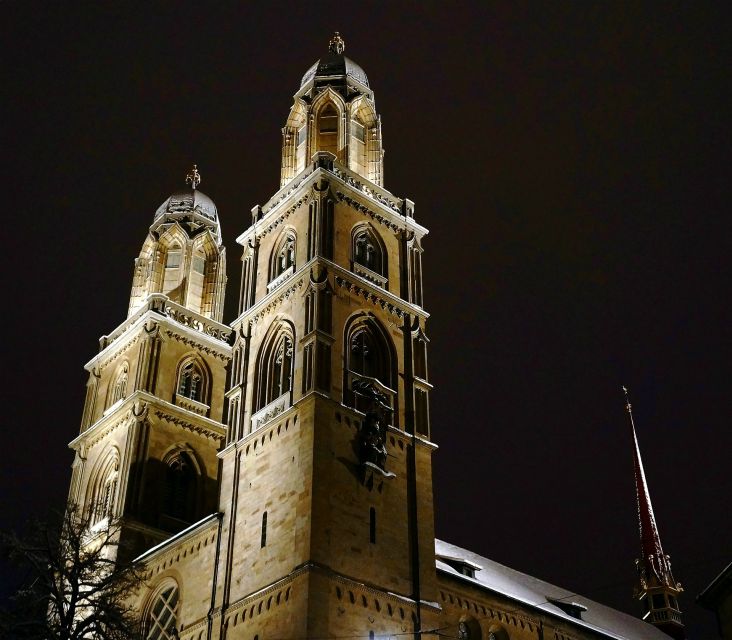
The walk continues to the Water Church, where you’ll hear about a brother and sister beheaded for their faith. Their story adds another layer to Zurich’s religious past.
The tour does not present punishment as one simple issue. Different people could be condemned for different reasons, including witchcraft, politics, or religious belief. The Water Church stop helps you see how faith and law were closely tied in earlier periods.
From there, you’ll see the Grossmünster, one of Zurich’s most famous churches. The guide places this major landmark within the route rather than treating it as an isolated photo stop.
You should expect a lot of walking between sites. The experience lasts about 1.5 to 2 hours, and the route moves through central Zurich streets. Wear comfortable shoes and leave enough time to pause when you want to take in a building or replay a section.
Because this is self-guided, you control the pace. You can stop the audio, look at a church, take a photograph, or review the directions. The tradeoff is that you must manage the timing yourself.
The wealthy woman accused of witchcraft

One of the more striking stops is the home of a wealthy Zurich woman who was executed for witchcraft. The detail matters because it challenges the easy idea that only poor or powerless people were accused.
The audio tells her story at the place connected with her life. That setting helps you think about how an accusation could reach into a respectable household. Wealth did not necessarily protect someone from suspicion, legal pressure, or a public death sentence.
This is also where the route’s format works well. The city remains active around you, while the audio directs your attention to an earlier Zurich that is difficult to see without explanation.
You should keep your expectations realistic. You will not find every site preserved as it looked in medieval times, and the experience does not promise reconstructed scenes or costumed actors. Its strength is the combination of streets, directions, photos, and spoken history.
Pillory, judges, and revenge

The walk then leads to the former site of the pillory. Public punishment was designed to be seen, and the pillory made shame part of the sentence.
The audio explains how the site was used and connects it to the wider system of medieval prosecution. This is an important distinction. A sentence did not always end with execution. Public humiliation, confinement, torture, and other penalties all played a role.
You’ll also visit the house of a judge who worked during the peak of the witch-hunt. His story includes revenge, giving the tour a personal and political angle that goes beyond official procedure.
I like this part because it reminds you that courts were run by people, not by an impersonal machine. Judges had beliefs, rivalries, and motives. Their choices could affect the lives of those accused.
At the same time, this is a point where some listeners may want more historical background than a short audio stop can provide. The route gives you the key story and location, but it is not a full academic course on Zurich’s legal system.
Death sentences, drowning, and the last glass of wine
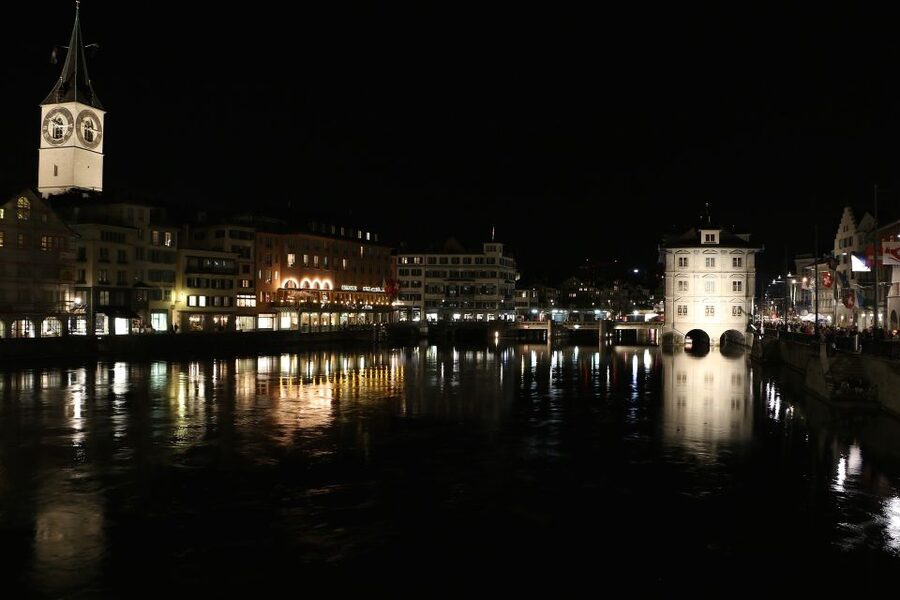
The route continues to the square where death sentences were announced. Public announcements made punishment a civic event. The whole community could be informed, and the condemned person’s fate became a warning to others.
You’ll also see a memorial plate at the site where people were executed by drowning. This is one of the more unsettling stops because it marks a specific method of death that is easy to overlook when thinking about medieval punishment.
Another stop concerns the house of the baker who gave people their last glass of wine. That small human detail brings the final moments of the condemned into focus.
The baker’s role was not grand, but it was part of the ritual. Before an execution, a person might receive a final drink, and the place associated with that act becomes part of the route.
These details are why I would not describe the walk as a general ghost tour. The focus is less on haunted buildings and more on how the city organized punishment. The tone is historical and sober rather than theatrical.
Leaving Zurich for the execution grounds
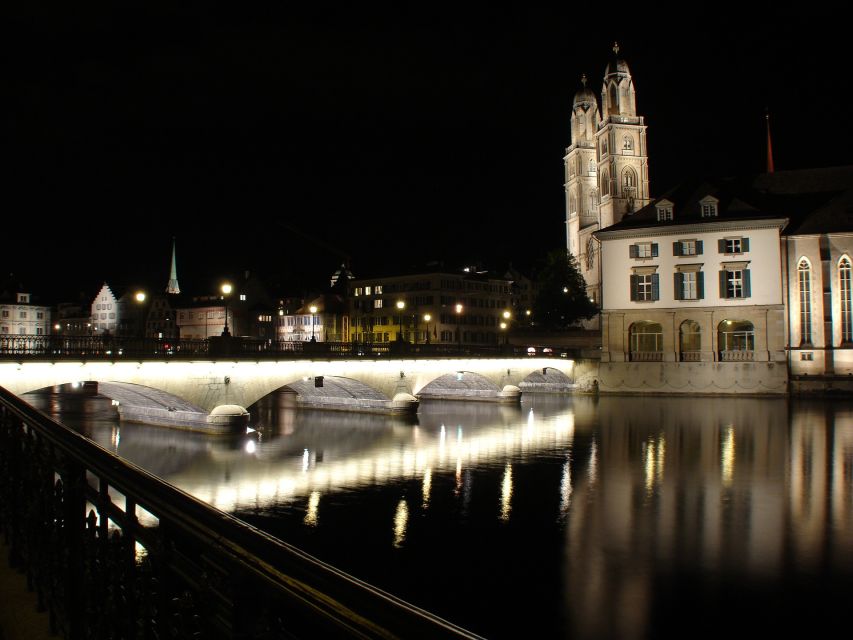
Near the end, you’ll discover where people being taken to execution left the city. The guide explains where people were burned and hanged.
This final section gives the route a physical sense of movement. You begin in a central square, pass churches and civic sites, and eventually follow the path toward the places outside the city associated with executions.
The walk helps you understand that punishment was often both public and carefully staged. Authorities announced sentences, moved condemned people through visible routes, and carried out executions in known locations.
You might find this section the hardest to hear, especially after the earlier stories of torture and religious persecution. That is also where the experience has its greatest value for the right audience. It asks you to look at Zurich not only as a beautiful modern city, but also as a place shaped by fear, law, faith, and public power.
How the self-guided format affects the experience
The tour link is provided immediately after booking. You use your own smartphone, internet connection, and headphones, with no live guide present.
That format keeps the cost low and gives you control. At $13 per person, the tour is cheaper than many guided city activities, and it remains valid for 365 days. You can fit it into a Zurich visit when the weather, schedule, or mood suits you.
The long validity period is especially useful if your plans are uncertain. You are not tied to one departure time in the usual sense. Check the available starting times, then use the experience within the stated validity period.
The downside is simple: the tour depends on your phone working properly. Charge it before you leave, bring headphones, and make sure you have internet access. If you forget one of those items, the experience becomes much harder to follow.
There is also no one to answer follow-up questions. A live guide could explain a confusing detail, adjust the pace, or point out something you missed. Here, you get a prepared audio presentation and must handle the navigation yourself.
Who will get the most from this $13 walk
I would recommend this experience to adults and older teenagers who enjoy unusual city history, legal history, religious conflict, and stories about real people.
It suits you particularly well if you:
- Prefer independent sightseeing to group tours
- Want a focused route through central Zurich
- Enjoy listening while walking
- Have already seen the city’s main landmarks and want a different angle
- Are comfortable with serious material involving torture and execution
- Want a low-cost activity that can fit around other plans
It is not suitable for children under 16. It is also not suitable for wheelchair users, according to the stated conditions.
The route may also be a poor fit if you want a cheerful introduction to Zurich. The city’s churches and monuments appear along the way, but the subject stays centered on death sentences, witchcraft accusations, torture, and punishment.
Is the audio tour good value?
At $13, I think the value is strong if you want this exact subject. You get a 1.5 to 2 hour route, a professional English or Russian audio guide, photos, and detailed directions. The 365-day validity also gives the purchase more flexibility than a fixed-date walking tour.
The price does not cover entry to the Fraumünster church, and there is no live guide. Those limits are clear, so you can decide if the lower price matches what you want.
I would not choose this as my only introduction to Zurich. It focuses on a narrow and grim part of the city’s past. But as a second walk, or as an alternative to standard sightseeing, it offers a distinctive way to see familiar places.
Free cancellation is available up to 24 hours in advance, and you can reserve now and pay later. Those terms make it easier to include the walk in a flexible itinerary, but you still need to check the available starting times.
Should you book The Dark Side of Zurich?
Book it if you want a self-guided historical walk built around real cases, former punishment sites, and the darker side of medieval Zurich. The best parts are the personal stories, the clear directions, and the way the route connects major landmarks with lesser-known sites of torture and execution.
Skip it if you want a relaxed scenic walk, a live guide, or a family activity. For an adult with a charged smartphone, headphones, and an interest in difficult history, $13 is a fair price for two hours of focused sightseeing.
FAQ
Where does the tour begin?
The tour begins at Paradeplatz in Zurich.
How long does the walking tour take?
The route takes about 1.5 to 2 hours.
Is there a live guide?
No. This is a self-guided tour using a link provided after booking.
What languages are available?
The audio guide is available in English or Russian.
What do I need to bring?
Bring headphones, a charged smartphone, and internet access.
Is admission to the Fraumünster church included?
No. Entrance fees to the Fraumünster church are not included.
How long is the tour valid?
The experience is valid for 365 days.
Is the tour suitable for children or wheelchair users?
It is not suitable for children under 16 or wheelchair users.
More Self-Guided Tours in the world
- Self Guided Haunted Walking Tour in Portsmouth APP/GPS/EMF Reader
★ 4.0 · 64 reviews - Cologne Haunted Quest: The Witch Self-Guided Tour
★ 3.0 · 38 reviews - Dublin Ghost Hunt Exploration Game and Tour
★ 4.0 · 34 reviews - The Gothic Trail – Ghosts of Barcelona Exploration Game
★ 4.5 · 33 reviews
More Audio Tours in the world
- Medieval Torture Museum Ticket with Audio Guide and Ghost Hunting
★ 5.0 · 962 reviews - Ghosts of New Orleans: Self-Guided Haunted Audio Walking Tour
★ 4.0 · 32 reviews - Llandaff’s Ghosts: A Self-Guided Audio Tour
★ 4.5 · 29 reviews - Ghosts of Savannah Self-Guided Haunted Audio Tour App/EMF Reader
★ 4.0 · 20 reviews
Just added around the world
- Zion: Harry Potter-Inspired Zion Ghost Tour with Sunset View★ 5.0 · 8 reviews
- Your evening in Venice – Legends&Ghosts&Aperitif★ 4.7 · 79 reviews
- York’s Haunted Heart : Ghost, Ghouls and Gallows★ 4.6 · 82 reviews
- York : Private Ghost Hunt★ 5.0 · 3 reviews
- Witches, Widows, & Wraiths: Wichita Ghost Tours★ 5.0 · 2 reviews
- Wraiths & Wicked Whispers: Wilmington Ghost Tour★ 4.2 · 25 reviews
- Witches, ghosts and executioners / Mystical North Hesse★ 4.4 · 4 reviews
- Wraiths of the West Texas Wind: El Paso Ghost Tour★ 4.5 · 9 reviews
Dark History & True Crime Tours, compared.
Adults-Only New Orleans Ghost, Crime, Voodoo, and Vampire Tour
Read our review →
The Deathly Dark Tour of York: Experience of the Year 2024
Read our review →
The Dark Side of Florence: Mysteries and Legends
Read our review →
Dark Secrets of the Old Town Ghost Walking Tour
Read our review →
New Orleans Adults-Only True Crime and Ghost Walking Tour
Read our review →
Genteel and Bard’s Savannah Dark History and Ghost Encounter Walking Tour
Read our review →
Buda Castle District Dark History, Legends and Vampire Night Tour
Read our review →Browse the lists this tour appears in