
REVIEW · JAPAN GHOST TOURS
Kabukicho Macabre Tour The Real Tokyo Vice
Kabukicho is easy to enjoy as a neon playground. This tour asks you to look again, at the streets shaped by organized crime, sex work, suicide, homicide, and Japan’s nightlife laws. The stories are grim, but the point is not cheap shock. Your guide connects individual incidents to the culture and legal systems around them.
I like the maximum group size of four, which gives you room to ask direct questions. I also like that guide Vivian studied Japanese night work for an academic thesis, so this is more than a walk past bright signs. The main caution is that the tour is talk-led. If you expect dramatic crime scenes or constant movement, parts may feel understated.
Key points to know before you book
- A small four-person group: You get a personal discussion rather than a standard street lecture.
- A guide with academic research: Vivian’s thesis focused on nightlife and night work in Japan.
- Real incidents, not just urban legends: The walk covers murders, suicides, illegal activity, and the social issues around them.
- Tokyo Vice and Yakuza connections: The route can include locations linked to the HBO series and the Yakuza game.
- A 6:30 pm start: Kabukicho is changing from daytime shopping district to nighttime entertainment zone.
- A short post-tour option: You may stop at a bar afterward, but drinks and food are your own expense.
Why this Kabukicho walk feels different
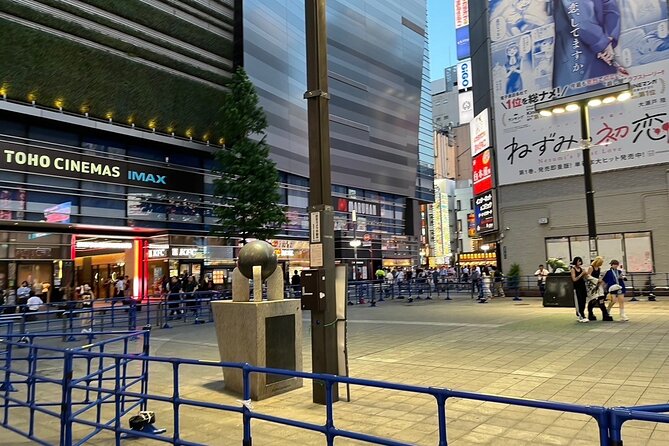
Many first visits to Kabukicho stay on the surface. You photograph the signs, pass the arcades, and perhaps notice the touts outside entertainment venues. This walk gives those streets a harder edge by explaining what has happened there and why the district gained its reputation.
The focus is not sightseeing in the usual sense. There is no major attraction to enter and no ticketed monument at the center of the experience. The district itself is the setting, while the guide supplies the meaning.
That makes the quality of the guide especially important. Vivian is described as friendly, engaged, and passionate about the subject. Her research into Japanese nightlife and night work gives her a useful frame for difficult topics. One account names Nastassia as the guide, so the person leading your tour may vary. Either way, expect the experience to depend heavily on the guide’s storytelling and on the questions your group asks.
I would approach this as a conversation on foot, not a staged haunted walk. The macabre material includes real cases involving homicide, suicide, crime, and illegal activity. The strongest part is the explanation of how law, nightlife businesses, and social attitudes interact. You are not simply collecting grisly facts.
A few more ghost walks around Japan worth a look
- Kyoto Ghost Tour: Dark Tales, Urban Legends, Bamboo Forest Night
★ 5.0 · 625 reviews - The Dark Side of Tokyo – Night Walking Tour Shinjuku Kabukicho
★ 4.5 · 297 reviews - Tokyo Shinjuku Food & Backstreet Culture Tour: 15 Dishes+3 Drinks
★ 5.0 · 260 reviews
Starting at Kabukicho Tower at 6:30 pm
The meeting point is Tokyu Kabukicho Tower, at 1-chome-29-1 Kabukicho. The tour starts at 6:30 pm and returns to the same meeting point. That fixed start and end make the walk easy to fit into an evening, though you should plan to arrive with enough time to find the tower.
The timing matters. Kabukicho looks different as daylight fades. Neon signs become more prominent, entertainment businesses open for the night, and the streets provide the setting for a discussion of how the area functions after dark. The tour does not promise entry to venues, meals, or drinks, so the value comes from walking through the district with context.
You will want comfortable shoes. The route lasts about two hours and five minutes, though the stated walk itself is described as roughly one hour and forty minutes. The difference likely allows for meeting, pauses, and discussion, but you should still set aside the full time.
The guide handles directions, which is useful in Kabukicho. The district has many lanes and signs competing for your attention. A small group also makes it easier to stay together and hear the explanation without standing in the middle of a crowded passage.
Reading Kabukicho through real incidents
The central activity is a walk and talk through Kabukicho. At each location, the guide explains what happened, then adds cultural and social context. The tour covers incidents involving people who committed suicide, homicide, and other illegal acts.
That description is important because the experience may not look dramatic from the street. You might pass an ordinary building, alley, or corner with no visible marker. The guide’s account turns an unremarkable place into a point for discussing crime, nightlife, and the pressures surrounding the district.
I appreciate the stated intention to handle the material respectfully. The best moments seem to come when the guide moves beyond the event itself and explains the wider structures around it. One particularly useful area is Japan’s legal system and the way it affects how murders and the people behind them are treated.
You should also bring questions. The guide has said that the route can follow the group’s interests, and one less satisfied account felt the subject matter did not go far enough. That is a fair warning. A fixed two-hour route cannot cover every aspect of Japanese organized crime, sex work, or the legal system. If you want more detail, ask for it early.
This is also not a courtroom lecture. The guide may move from one story to the next, then pause for questions. If your group is quiet, the tour may feel more like a guided overview. If you are curious and willing to ask, it can become a more tailored discussion.
The red-light district context
The tour presents Kabukicho as more than a place associated with vice. It looks at the cultural issues and social patterns connected with red-light districts in Japan. That matters because the bright entertainment zone can seem detached from the serious stories taking place around it.
The guide’s academic work on night life and night work gives you a chance to ask about subjects that ordinary city tours avoid. The experience may be a good fit if you want to understand how people work, socialize, and operate within Japan’s nighttime economy, rather than simply hear a list of crimes.
The subject matter is adult in tone. The tour is not recommended for people under 19, and I would take that seriously. Even if younger visitors are comfortable with crime stories, the discussion of sex work and the red-light economy may not suit every group.
The guide also appears to treat people connected to these stories as human beings, rather than props in a horror tale. That is a major strength. Macabre tourism can become tasteless when suffering is used only for entertainment. Here, the stated approach is to explain the larger social forces as well as the events.
Same streets after dark, a different sort of fright:
- Tokyo: True Crime And Ghost Stories Tour
★ 4.9 · 163 reviews - Kyoto: Ghost Tour – Legends, Dark Tales, Bamboo Forest Night
★ 5.0 · 105 reviews - The Dark Side of Osaka Walking Tour
★ 5.0 · 49 reviews - Kabukicho Macabre Tour – the Real Tokyo Vice
★ 5.0 · 48 reviews
Tokyo Vice and Yakuza locations
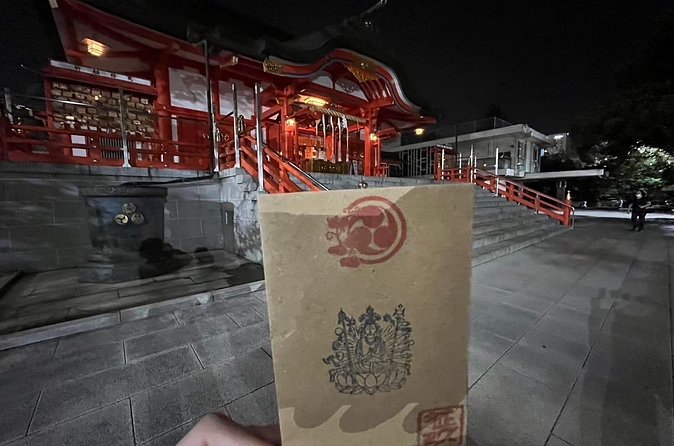
Popular culture adds another layer to the route. You can pass places used to film the HBO series Tokyo Vice, along with locations associated with the Yakuza game series.
These references help if you already know the shows or games. You get to compare their dramatic version of Kabukicho with the real streets around you. The tour does not present fictional locations as proof of real criminal activity. Instead, they serve as familiar signposts within the district.
If you are not a fan of Tokyo Vice or Yakuza, this part should still be easy to follow. The main subject remains Kabukicho itself, its nightlife, and its difficult stories. The filming locations are an extra, not the reason to book the experience.
I would not choose this tour solely for screen locations. The stronger reason is the guide’s explanation of the real district. The pop-culture links are useful seasoning, especially for fans, but they cannot carry two hours on their own.
A maximum of four people changes the experience
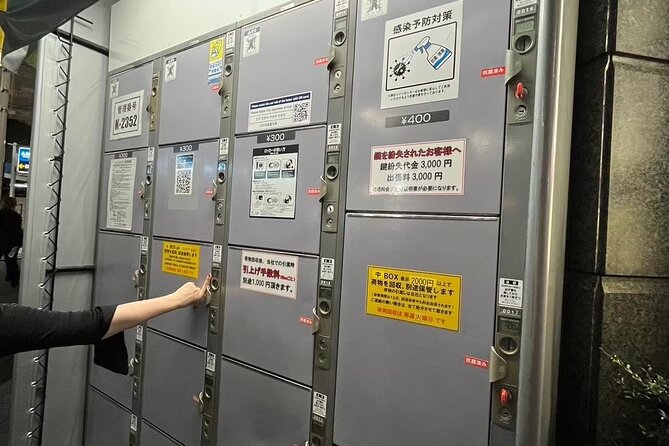
The group limit is four people. That is unusually small for a city walk, and it affects the tone in a good way. You can ask questions without speaking over a crowd, and the guide can adjust the discussion to your interests.
One booking even became a private tour after a guest made a mistake at the end of a long day and needed help with the meeting arrangement. That is not something you should count on, but it suggests the guide can be accommodating when plans go wrong.
A small group also brings a responsibility: take part. This is not a tour where you can quietly follow at the back while a guide gives a long speech. Ask about the legal system, nightlife work, organized crime, or the specific case being discussed. The more focused your questions, the more useful the experience is likely to become.
The small size does not guarantee every topic will receive equal time. Your guide may follow the questions raised by the group. If you have a particular interest, mention it at the start.
What the $56.01 price buys you
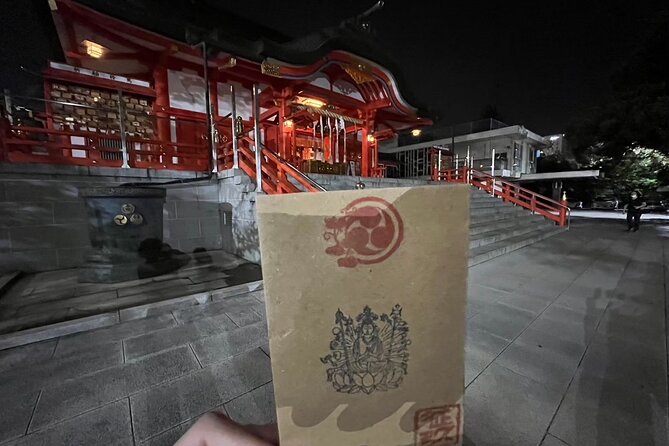
At $56.01 per person, this is not the cheapest way to see Kabukicho. You can walk through the district on your own for free. The price pays for access to a researched guide, a planned route, interpretation of places that would otherwise look ordinary, and a group limited to four.
That can be good value if you care about true crime, Japanese nightlife, or the social history of entertainment districts. You are paying for explanation, not admission. There is no meal, drink, attraction entry, or included bar tab.
The value is less clear if you mainly want photographs or a general introduction to Shinjuku. You can find the neon streets without a guide, and this tour spends much of its time on heavy subjects. It is a specialist walk, not a general orientation tour.
The tour is booked an average of 36 days in advance, so I would not leave it until the last minute if the schedule matters to you. Confirmation arrives at booking, and the mobile ticket is practical for a phone-based itinerary.
The ending and the bar option
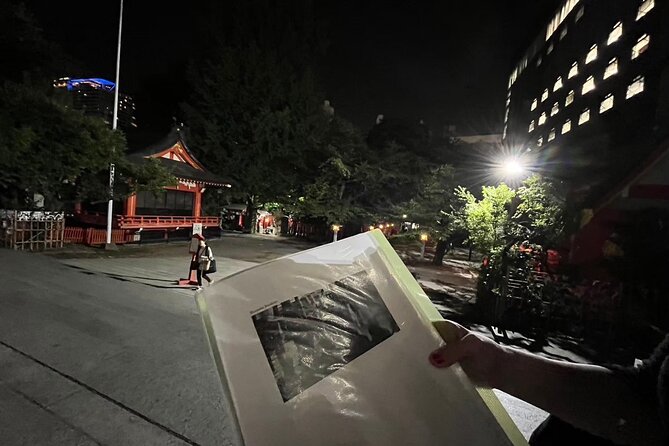
The activity ends back at the meeting point. Afterward, the guide may stop at a bar, or the group may stop elsewhere, such as a shrine. Any food or drink is at your own cost. The guide can also pass a vending machine or stop as needed, but nothing is supplied as part of the tour.
One important practical point is that the ending may not include a full orientation to the surrounding transport. One account found the farewell at a dark shrine confusing and wished for directions to the train station. Since the official end is back at the meeting point, you should keep track of your route and phone battery rather than assume the guide will escort you to your next destination.
If you want a drink afterward, bring payment and decide in advance how late you want to stay out. The bar option is informal, not a packaged nightlife event.
Who will enjoy this tour most
I would recommend it to adults who want more than Kabukicho’s polished neon image. It fits particularly well if you enjoy true crime, Japanese social issues, nightlife culture, or the real-world background behind Tokyo Vice and Yakuza.
It also suits repeat visitors to Tokyo. If you have already seen the major temples, department stores, and observation decks, a walk through Kabukicho with a clear subject can add a different side of the city.
I would hesitate to recommend it to children, anyone uncomfortable with stories of murder and suicide, or anyone looking for a light evening stroll. The tone is serious, even when the guide is warm and personable.
You should also know that the tour is discussion-based. People who want a polished performance with constant action may find it slow. People who want to ask questions and think about what they are seeing may find the small format exactly right.
Weather, cancellation, and practical details
This is an outdoor walking experience and requires good weather. If poor weather forces cancellation, you are offered another date or a full refund. You can cancel for a full refund up to 24 hours before the local start time, but cancellations or changes inside that window are not accepted.
Most people can participate, and service animals are allowed. The route is near public transportation, though the activity data does not specify a station or give a detailed accessibility description. If you have mobility concerns, contact the provider before booking rather than assuming every alley or surface will be easy.
The tour has a mobile ticket, and confirmation is provided at booking. Keep your phone charged, especially if you plan to continue exploring after the walk.
Should you book the Kabukicho Macabre Tour?
Book it if you want a serious, small-group look at the side of Tokyo that standard sightseeing often leaves out. The strongest reasons are the four-person limit, the guide’s research into Japanese night work, and the chance to ask about real cases, law, and nightlife culture while standing in the actual district.
Skip it if you want a broad Shinjuku introduction, a food tour, or a fast-paced night of attractions. The walk is not built around food, drinks, or entry tickets. It asks you to listen, question, and accept some unsettling material.
For the right audience, $56.01 is a fair price for a focused evening with a guide who can put Kabukicho’s darker stories into context. Go in expecting a thoughtful true crime walk, not a theatrical scare show, and you will have a much better sense of what you are buying.
FAQ
Where does the Kabukicho Macabre Tour start?
The tour starts at Tokyu Kabukicho Tower, 1-chome-29-1 Kabukicho, Shinjuku City, Tokyo 160-0021, Japan.
What time does the tour begin?
The start time is 6:30 pm.
How long does the experience last?
The listed duration is approximately 2 hours and 5 minutes. The walking and talking portion is described as about 1 hour and 40 minutes.
How large is the group?
The activity has a maximum of four travelers, making it a small-group experience.
What subjects are covered?
The tour covers Kabukicho’s red-light history, real incidents involving suicide, homicide, and illegal activity, Japanese nightlife culture, night work, organized crime, and related legal and social issues. It may also pass locations connected with Tokyo Vice and the Yakuza game.
Are food and drinks included?
No. Food and drinks are not included. The group may stop at a bar or pass a vending machine, but anything you purchase is your own expense.
What happens if the weather is bad?
If poor weather causes the tour to be canceled, you are offered a different date or a full refund. For your own cancellation, you must cancel at least 24 hours before the local start time to receive a full refund.
Just added around Japan
- Tokyo’s Scariest Shitamachi Ghost Tour★ 4.0 · 30 reviews
- Tokyo Ghost Tour Through Haunting Japanese Legends★ 5.0 · 6 reviews
- Ghost Stories and Nightlife Tour of Takayama (Private Tour – Price per Group)★ 4.5 · 4 reviews
- The Dark Side of Osaka Walking Tour★ 5.0 · 49 reviews
- Tokyo: Ghost Tour with Scary Japanese Stories and Folklore★ 4.7 · 7 reviews
- Kyoto: Ghost Tour – Legends, Dark Tales, Bamboo Forest Night★ 5.0 · 105 reviews
- Ghost Stories and Nightlife Tour of Takayama★ 4.6 · 3 reviews
- Expert Anime Guide in Akihabara with a maid witch★ 4.9 · 19 reviews
Japan Ghost Tours, compared.
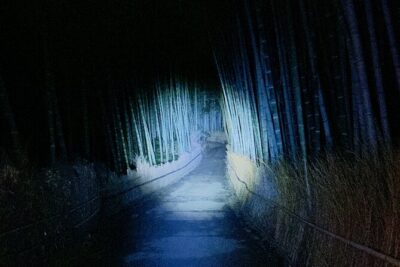
Kyoto Ghost Tour: Dark Tales, Urban Legends, Bamboo Forest Night
Read our review →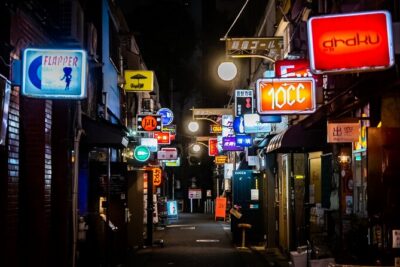
The Dark Side of Tokyo – Night Walking Tour Shinjuku Kabukicho
Read our review →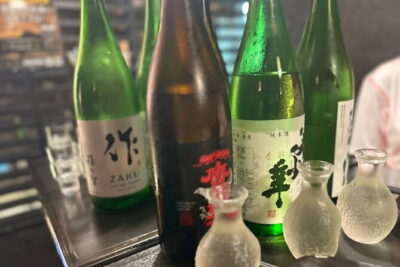
Tokyo Shinjuku Food & Backstreet Culture Tour: 15 Dishes+3 Drinks
Read our review →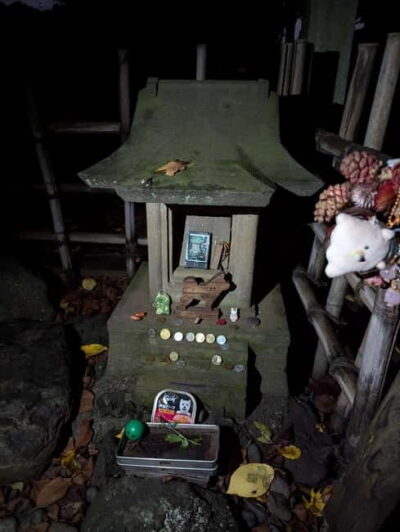
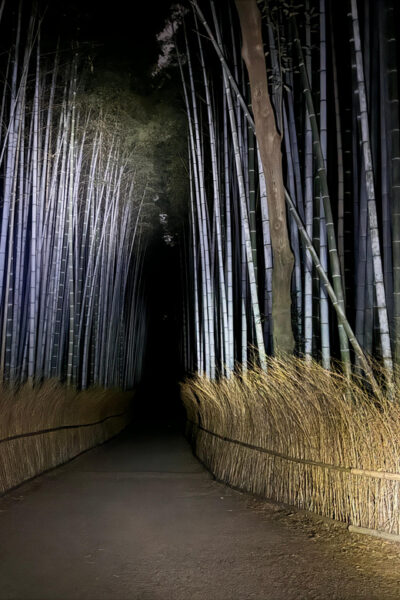
Kyoto: Ghost Tour – Legends, Dark Tales, Bamboo Forest Night
Read our review →
Browse the lists this tour appears in