
REVIEW · TOKYO GHOST TOURS
Tokyo Shinjuku Food & Backstreet Culture Tour: 15 Dishes+3 Drinks
Shinjuku after dark is a maze of neon, tiny bars, food stalls, and narrow lanes where ordering can feel like a guessing game. This tour gives you a friendly guide, a planned route, and enough food to sample Japan beyond sushi and ramen. You may try dishes such as yakitori, dumplings, offal stew, salted squid guts, century egg, or even fried horse meat.
I like the mix of local food and neighborhood history, especially the walk through Omoide Yokocho and Golden Gai. I also like the social side: guides such as Sakura, Kyle, Seiya, and Taka are praised for warm conversation, clear English, and helping solo visitors feel part of the evening. The main caution is that this is a food-and-culture walk, not three hours of sitting down to eat full meals.
- 15 Japanese dishes are included, with choices changing by season and stop.
- Omoide Yokocho and Golden Gai offer two very different looks at old Shinjuku nightlife.
- English-speaking guides explain dining etiquette, drinking customs, history, and changing local norms.
- Alcohol or soft drinks are available, though the tour details differ on whether two or three drinks are included.
- Groups are capped at 15 people, a useful limit in tiny izakayas and narrow alleys.
- The $100 price covers food, included drinks, guiding, and tour photos, but not extra orders or gratuity.
Shinjuku at night, with someone who knows where to turn
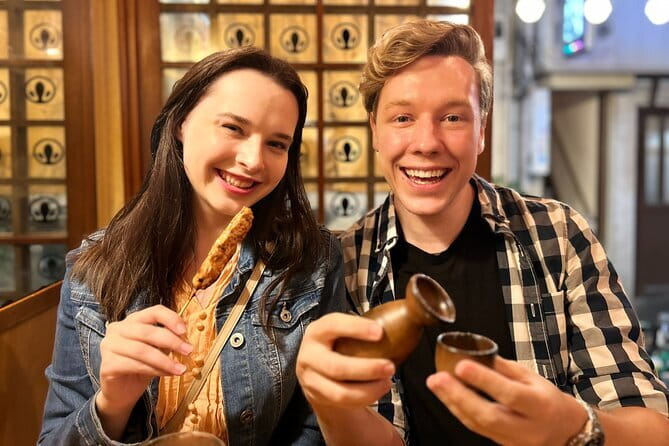
I like this experience because it gives structure to a part of Tokyo that can be thrilling and confusing at the same time. Shinjuku is easy to reach, but the best food stops are often up tiny staircases, behind unmarked doors, or inside alleys where a first-time visitor may hesitate to enter.
The route begins near the Gucci Shinjuku M Square Store and ends near Shinjuku Station. In between, you move through some of the city’s most recognizable night scenes: the giant 3D cat, Godzilla Road, Kabukicho, Omoide Yokocho, and Golden Gai.
Your guide matters here. The strongest part of the experience is not simply being shown a restaurant. It is having someone explain how to share dishes, when to pour drinks, what certain menus mean, and why some old customs are changing. Sakura is praised for her energy and cultural explanations, while Kyle is noted for bringing a group together and making solo visitors feel comfortable. Seiya and Taka are also singled out for fluent English and an easygoing manner.
The tour has a maximum of 15 people, which helps, though 15 is still a sizable group for a very small izakaya. If you want a private, quiet dinner, this is not the right format. If you want a social evening with guided ordering and plenty of introductions, it makes much more sense.
The giant 3D cat gives you a quick Tokyo welcome
The first stop is the giant 3D cat display billboard near Shinjuku Station. The cat appears to move and meow, making this a quick photo stop and a fun way to meet the group.
You spend only about five minutes here, so do not expect a long explanation. Its value is practical: you get your bearings in the busy station area before the food and nightlife portion begins. Keep your phone ready, since the display is designed for a quick look and photograph.
From there, the tour shifts away from large commercial screens and into smaller streets. That contrast is part of the evening’s appeal. Shinjuku is not one single experience. It is polished advertising, old drinking lanes, entertainment streets, and tiny neighborhood businesses pressed close together.
A few more ghost walks around Japan worth a look
- Vienna Nightlife Experience: Food, Wine, Cocktails & Vibes
★ 5.0 · 119 reviews - Santa Barbara Ghost Tours “Paranormal Pairing” Wine Tasting &Tour
★ 4.5 · 57 reviews - Palermo’s Dark Shades: Ghost, Crime and Tasting Walking Tour
★ 4.5 · 19 reviews
Omoide Yokocho offers old Tokyo in a narrow alley
Omoide Yokocho is one of the most atmospheric parts of the route. The name is often translated as Memory Lane, and the setting is easy to understand: a tight passage lined with small restaurants and bars, with the feel of an older Shinjuku that survived beside the modern towers.
You spend roughly 50 minutes here tasting traditional Japanese food and drinks. This is not a grand dining room. Seating can be close, menus may be compact, and the whole point is the direct, informal style of an alley restaurant.
Your guide helps remove the uncertainty. You can ask what a dish is, how to eat it, and which drink pairs well with it. That is especially useful when the food is unfamiliar. The tour may include grilled items, dumplings, stews, small salads, or other seasonal dishes, but the exact selection can change.
One important point: the promise of 15 dishes does not mean 15 large plates. Expect small portions designed for tasting. That is a good way to sample widely, but you should not arrive expecting a single full-course dinner. One account of the experience specifically describes it as a tour with food rather than a pure food tour, which is a fair way to set your expectations.
Godzilla Road adds a playful break between food stops
The Godzilla Head is another short stop, lasting about five minutes. The giant figure overlooks the entertainment district and gives you an easy photo opportunity.
This stop is more about orientation and atmosphere than sightseeing depth. Your guide may connect the area to Shinjuku’s cinema and entertainment culture, but the schedule does not leave time for a museum visit or a long Godzilla presentation.
I like this quick pause because it breaks up the eating. A food walk can become a blur of dishes and drinks, especially when several stops are packed into one evening. Short landmarks give you a chance to look around, take photos, and understand where you are before moving on.
Kabukicho shows Shinjuku’s bright and complicated side
The longest portion of the experience takes place in Kabukicho, Tokyo’s best-known entertainment district. You spend about one hour and 40 minutes exploring the area, with food stops along the way.
Kabukicho is not simply a restaurant neighborhood. It includes bars, clubs, arcades, entertainment venues, bright signs, and streets with a more adult reputation. The tour’s guide helps you understand the area without leaving you to interpret every sign and doorway on your own.
A former local worker may lead this portion, offering a personal view of how the district functions. That can make the walk more useful than a simple photo tour. You learn how the neighborhood presents itself, how people use its small bars, and how local nightlife differs from what you may expect at home.
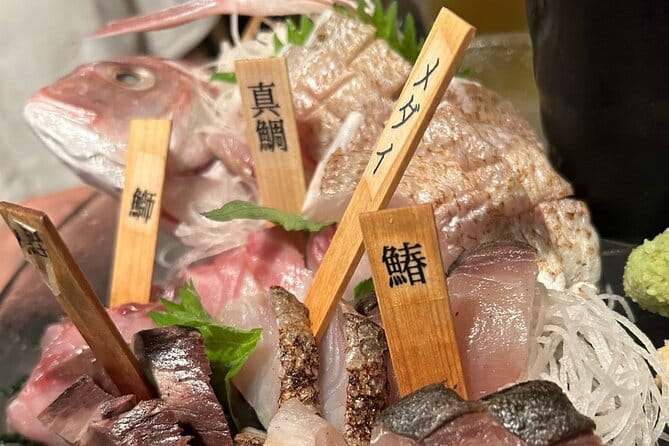
The food selection can be adventurous. Examples from the tour include beef offal stew, yakitori, grilled dumplings, soup dumplings, salted squid guts, century egg, whole shrimp with eggs, and fried horse meat. You might also encounter potato salad, depending on the stops and season.
This variety is a strength for curious eaters. It gives you a wider picture of Japanese drinking food than a standard sushi meal. It is also the reason I would not book this tour if you have a strict diet or want predictable dishes. The operator warns that meals are prepared outside its own kitchen, so allergy-free food and substitutions cannot be guaranteed.
Same streets after dark, a different sort of fright:
- Kyoto Ghost Tour: Dark Tales, Urban Legends, Bamboo Forest Night
★ 5.0 · 625 reviews - The Dark Side of Tokyo – Night Walking Tour Shinjuku Kabukicho
★ 4.5 · 297 reviews - Tokyo: True Crime And Ghost Stories Tour
★ 4.9 · 163 reviews - Kyoto: Ghost Tour – Legends, Dark Tales, Bamboo Forest Night
★ 5.0 · 105 reviews
Golden Gai preserves a tiny-bar drinking culture

Golden Gai is one of the most memorable settings on the route. Its narrow alleys hold more than 200 tiny bars, many with only a handful of seats. The postwar buildings and cramped layout feel completely different from the wide streets and tall buildings nearby.
You do not simply walk past the area and take a photo. The experience is built around explaining how these small bars work and, depending on the evening’s route, stopping for food or a drink. Your guide can help with ordering and explain etiquette that is easy to miss when you are on your own.
Golden Gai is also where group size matters most. A party of 15 cannot fit comfortably into every bar, so the exact stop may depend on the evening. The tour description says you may remain at the final bar after the official walk ends, but if you do, you are responsible for additional purchases.
This is a good place to practice respectful nightlife habits. Keep your voice under control, follow the guide’s instructions about photos, and do not assume every tiny bar welcomes large groups or casual drop-ins. The tour’s lessons about staying polite while drinking are among its most useful takeaways.
What you actually eat and drink for $100
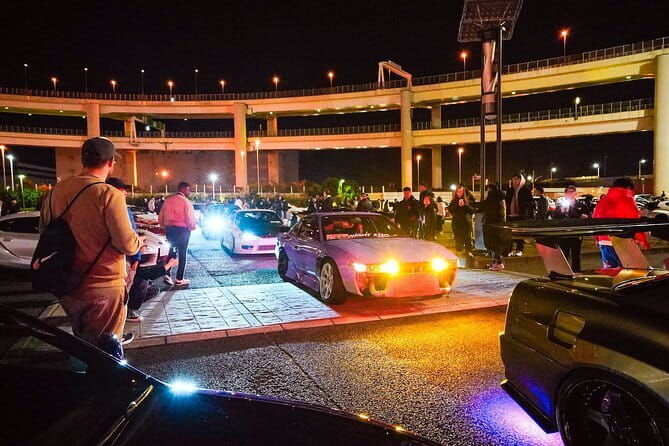
The listed price is $100 per person. That is not cheap for three hours in Tokyo, but the value depends on how you use the experience.
The fee includes 15 selected Japanese dishes, drinks, an English-speaking local guide, photos taken during the tour, and explanations about food, history, language, and etiquette. You also avoid the cost and stress of ordering each item yourself at several unfamiliar places.
The food is served in tasting portions, so the number 15 can sound more substantial than it feels. You will likely leave satisfied if you enjoy sampling many small dishes, but you may want a later snack if you have a large appetite.
There is one detail worth confirming before booking. The title refers to 15 dishes and three drinks, while the included section specifies two drinks, either alcoholic or non-alcoholic. Ask the operator which number applies to your date. Extra food and drinks can be ordered, but you pay for those on the spot.
For the right person, the price is fair because you are paying for access, translation, planning, and context as well as food. If you already speak Japanese, know Shinjuku well, and enjoy choosing your own inexpensive izakayas, you may prefer to explore independently.
Alcohol, etiquette, and the limits of the menu
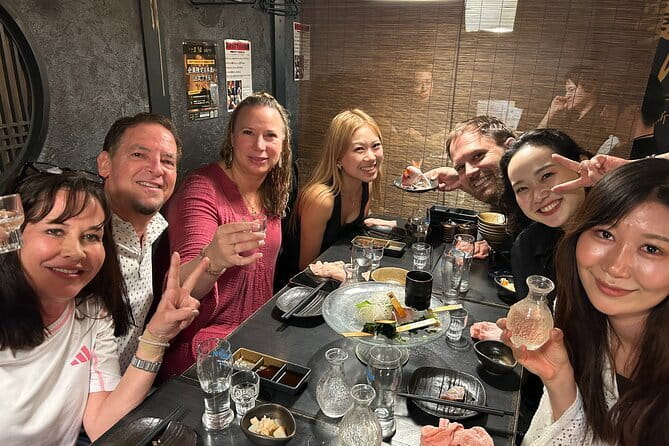
Alcohol is part of the experience, but it is not required. You can choose non-alcoholic drinks, and anyone under 20 receives soft drinks because Japan prohibits alcohol for people under that age.
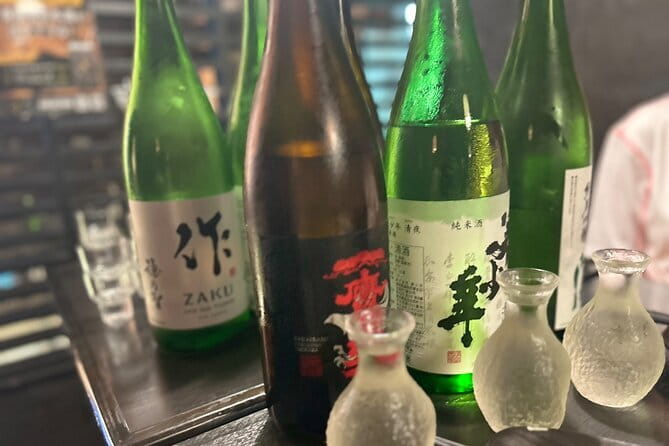
The drinks may include beer, lemon sours, whiskey highballs, tea mixed with shochu, or other local options, depending on the stops. The goal is to show how drinks fit into an izakaya meal rather than to turn the evening into a drinking contest.
The etiquette guidance is particularly useful early in a Japan trip. You can ask about sharing plates, ordering at the counter, handling chopsticks, pouring drinks, and behaving in compact bars. These small rules make later meals easier, even when you dine without a guide.
Food restrictions require caution. The operator cannot promise allergy-free dishes, and substitutions may not be possible at every stop. Staff will try to compensate at other locations, but anyone with a serious allergy should contact the provider before paying.
Why the small-group format helps, and where it does not
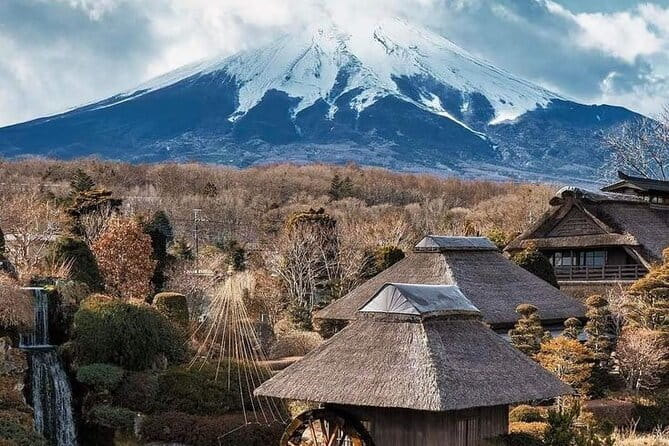
The maximum group size is 15. That is small enough for a guide to answer questions, but not so small that everyone gets a private conversation.
I would book this for a solo visitor who wants company at night, a couple wanting an introduction to Shinjuku, or a first-time visitor who feels uneasy entering tiny local bars. The social format is a real benefit if you are tired after sightseeing and would not otherwise go out.
It is less suitable if you dislike group dining, need a quiet pace, or want to choose every dish yourself. Single participants may receive a different number of dishes, so solo visitors should ask how the tasting portions are handled.
The route also involves walking through crowded nightlife streets and narrow alleys. Wear comfortable shoes and keep your belongings secure. The meeting point is easy to identify at the Gucci Shinjuku M Square Store, and the tour finishes near Shinjuku Station, with the guide explaining which station route fits your destination.
Practical booking advice before you go
Confirmation arrives when you book, and the tour is near public transportation. Download WhatsApp before the tour because the operator uses it for communication on the day.
Children must be with an adult. Under-20 participants receive soft drinks, not alcohol.
The cancellation policy is simple: cancel at least 24 hours before the local start time for a full refund. Cancellations or changes within 24 hours are not refunded or accepted.
I would book this early in a Tokyo visit, not because you need to rush, but because the etiquette and ordering tips can help with the rest of your stay. Keep the meeting point details handy, arrive ready to walk, and do not treat the 15 dishes as 15 full servings.
Should you book the Shinjuku food and backstreet tour?
Book it if you want an easy introduction to Tokyo nightlife, enjoy trying unfamiliar food, and prefer a guide to handle the language and ordering. Sakura, Kyle, Seiya, and Taka are all associated with the warm, conversational style that makes this format work well.
Skip it if you need strict dietary control, dislike alcohol-centered settings, or want a formal dinner with generous portions. Also confirm the number of included drinks before booking, since the published details differ.
For most curious first-time visitors, this is a useful evening out. You get food, landmarks, local stories, and a safer way to approach Shinjuku’s tiny drinking alleys. Just book it for the culture and variety, not for a giant meal.
FAQ
How long does the Tokyo Shinjuku food tour last?
The tour lasts about three hours.
Where does the tour start and end?
It starts at the Gucci Shinjuku M Square Store in Shinjuku. It ends near Shinjuku Station, although you may remain at the final bar if you choose.
How many dishes are included?
The tour includes 15 selected Japanese dishes. The food can vary by season, and the number of dishes offered to a single participant may differ.
Are drinks included?
Drinks are included, and participants may choose alcoholic or non-alcoholic options. The tour title refers to three drinks, while the included details specify two, so confirm the exact number before booking.
Can children join the tour?
Yes, children can participate when accompanied by an adult. Anyone under 20 receives soft drinks because alcohol is prohibited for people under 20 in Japan.
Can the tour accommodate allergies or dietary restrictions?
The operator cannot guarantee allergy-free meals or substitutions at every stop because the food is prepared outside its own kitchen. Contact the provider before booking if you have an allergy or strict dietary need.
Just added around Japan
- Tokyo’s Scariest Shitamachi Ghost Tour★ 4.0 · 30 reviews
- Tokyo Ghost Tour Through Haunting Japanese Legends★ 5.0 · 6 reviews
- Ghost Stories and Nightlife Tour of Takayama (Private Tour – Price per Group)★ 4.5 · 4 reviews
- The Dark Side of Osaka Walking Tour★ 5.0 · 49 reviews
- Kabukicho Macabre Tour The Real Tokyo Vice★ 5.0 · 33 reviews
- Tokyo: Ghost Tour with Scary Japanese Stories and Folklore★ 4.7 · 7 reviews
- Kyoto: Ghost Tour – Legends, Dark Tales, Bamboo Forest Night★ 5.0 · 105 reviews
- Ghost Stories and Nightlife Tour of Takayama★ 4.6 · 3 reviews
Tokyo Ghost Tours, compared.
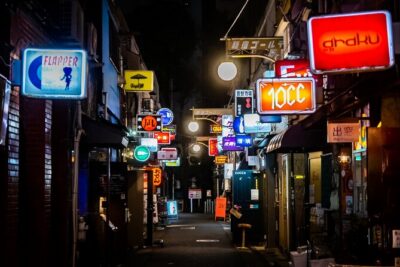
The Dark Side of Tokyo – Night Walking Tour Shinjuku Kabukicho
Read our review →
Ghost Tour with Scary Japanese Stories and Folklore
Read our review →
Tokyo Ghost Tour Through Haunting Japanese Legends
Read our review →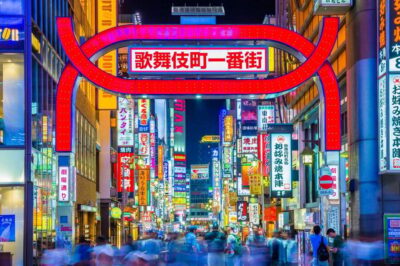
Browse the lists this tour appears in