
REVIEW · TOKYO GHOST TOURS
Tokyo: True Crime And Ghost Stories Tour
Tokyo’s polished image gets peeled back quickly on this three-hour walk. Starting at Hanazono Shrine in Kabukicho, guide John takes you through organized crime, the red-light trade, wartime abuse, and Japanese ghost lore before finishing near Aoyama-Itchome Station.
I like two things here: the route links ordinary city streets to difficult history, and John’s theatrical, humorous storytelling keeps grim subjects from becoming a dry lecture. The main caution is clear: this is not a gentle ghost walk. Expect murder, prostitution, sex, war crimes, adult language, stairs, and a fair amount of walking.
Key points
- Kabukicho after dark: Learn how gang conflict, love hotels, sex clubs, and quasi-legal adult businesses fit into Tokyo’s most notorious district.
- Toyama Park’s wartime history: Hear about Unit 731 and human experimentation at a site presented as one of Tokyo’s darkest places.
- Aoyama Cemetery’s ghost stories: The cemetery provides a fitting nighttime setting for Japanese tales of spirits and restless dead.
- John’s performance style: He mixes historical explanation, jokes, dramatic acting, and time for questions.
- A practical three-hour walk: There are no attraction entry fees, but you should budget 200 yen for transport and wear comfortable shoes.
- Best for adults who like difficult subjects: Children under 14 are not permitted, and the tour is not suited to people with low fitness or limited mobility.
A different side of Tokyo begins at Hanazono Shrine
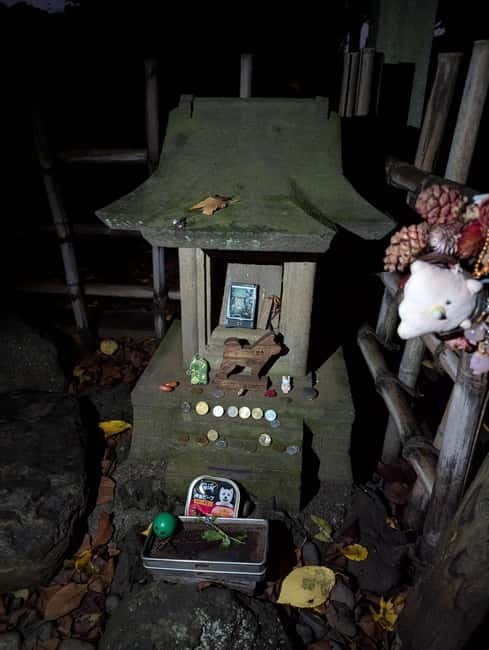
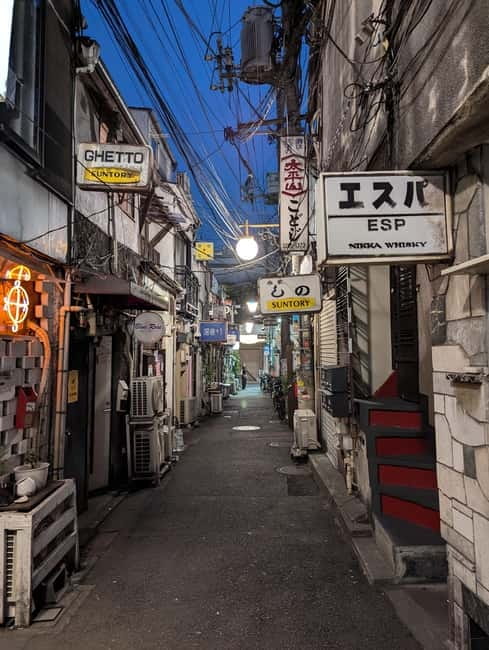
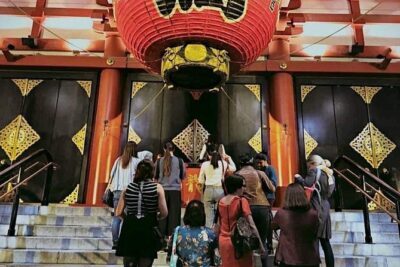
The meeting point is just in front of the stairs leading to the main shrine building inside Hanazono Shrine, near Golden Gai. You are told to look for John, described as a thin, bald white man, and to check your booking messages for any last-minute details.
This is a useful starting point. Hanazono Shrine sits beside one of Shinjuku’s most famous nightlife areas, so the contrast begins at once: a quiet Shinto shrine next to narrow lanes packed with tiny bars, neon signs, and Tokyo’s adult entertainment quarter.
The tour is conducted in English and lasts about three hours. John’s style is not formal or restrained. He uses jokes, occasional adult language, dramatic retellings, and acting to hold your attention. That can work very well when the subject matter turns bleak, but it also means the tone is deliberately irreverent.
I would arrive ready to walk rather than expecting a series of indoor stops. The route has no admission charges, but it includes stairs and roughly a city evening’s worth of movement. The tour ends at Aoyama-Itchome Station, not back at the starting point, which is handy if you plan to continue across Tokyo but worth noting when arranging dinner or your return journey.
More ghost story tours in Japan:
- Kyoto Ghost Tour: Dark Tales, Urban Legends, Bamboo Forest Night
★ 5.0 · 625 reviews - Kyoto: Ghost Tour – Legends, Dark Tales, Bamboo Forest Night
★ 5.0 · 105 reviews - Tokyo: Ghost Tour with Scary Japanese Stories and Folklore
★ 4.7 · 7 reviews
Kabukicho: gang wars, love hotels, and Tokyo’s adult economy
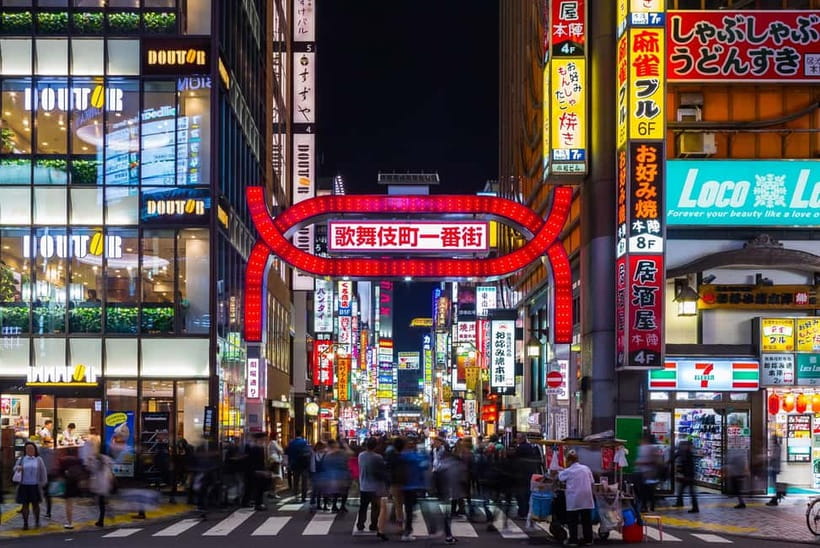
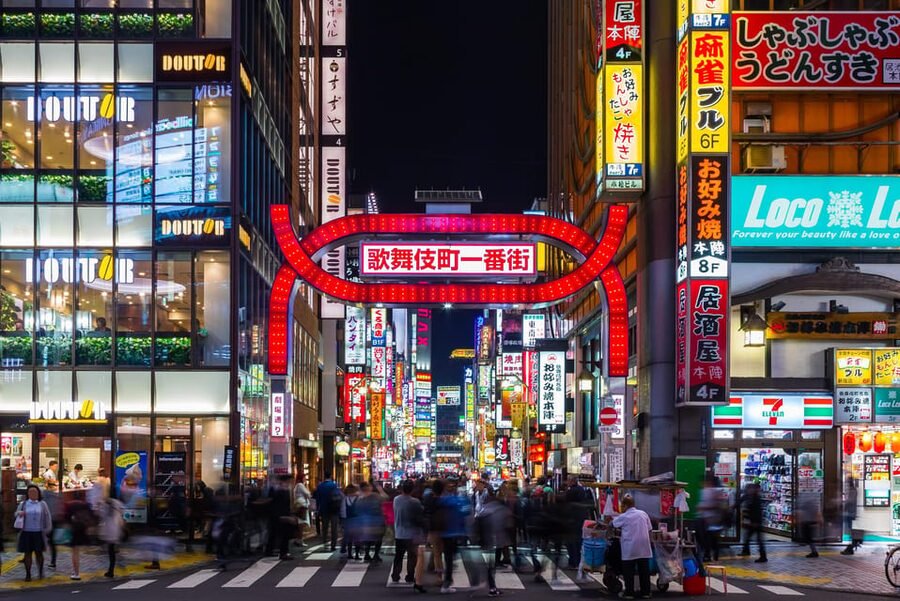
The first major section takes place in Shinjuku’s Kabukicho, often described here as Japan’s largest red-light district and the city’s organized crime capital. The guided portion lasts about 45 minutes, giving John room to explain more than the obvious neon and nightlife.
You can expect stories about gang disputes, shocking murders, abandoned or betrayed lovers, and the district’s complicated sex industry. The point is not simply to point at a club and call it seedy. The value comes from learning how crime, nightlife, business, and changing social rules overlap in one of Tokyo’s most famous neighborhoods.
Kabukicho can look exciting and harmless from the outside. That is part of what makes this section useful. John places the bright signs and crowded streets beside stories that show how coercion, exploitation, organized crime, and personal desperation can sit behind the entertainment economy.
You should also expect discussion of girl clubs, boy clubs, love hotels, prostitution, and other adult subjects. This is not a suitable outing for younger children, and even adults who dislike explicit material may find parts uncomfortable.
The humor helps some people listen to difficult material. John is repeatedly praised for knowing when to use a joke and when to let a grim story carry its own weight. Still, the comedy will not suit everyone. If you prefer a solemn crime-history walk, this tour may feel too loose or too theatrical.
Toyama Park and the weight of Unit 731
From Shinjuku, the walk continues to Toyama Park. The listed guided section here lasts about 30 minutes, though the subject gives it much more weight than the time suggests.
Toyama Park is connected on this route with Unit 731 and human experimentation carried out during wartime. The description compares it to a mini-Auschwitz, a phrase that signals the seriousness of the material but also demands care. This is not a spooky story in the same sense as a haunted-house tale. It concerns real victims and real abuse.
John’s presentation links the physical setting to the ghosts associated with those victims. That creates a difficult blend of historical fact, memory, and folklore. If you want only sensational crime stories, this part may feel heavier than expected. If you want to understand how Tokyo’s dark past reaches beyond gangsters and urban legends, it is one of the tour’s most meaningful stops.
Several people who have taken the walk valued the wider historical context, not just the grisly details. That is important. The stronger version of this experience is not simply a collection of shocking cases. It asks you to think about the parts of Japanese history that are often left out of a standard sightseeing route.
I would treat this stop with respect. The humor that works in Kabukicho may feel less comfortable around wartime atrocities, and the subject matter can be upsetting. The tour’s own warning about sensitive content is not a minor note.
Aoyama Cemetery after dark
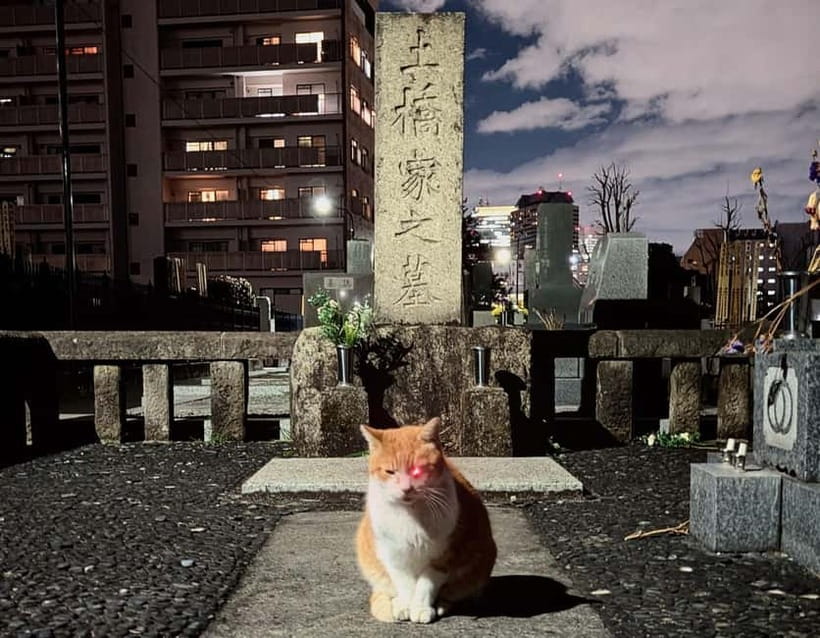
The final major section moves to Aoyama Cemetery, described as Tokyo’s largest cemetery. The guided portion lasts about 45 minutes, and the setting shifts the mood from urban crime to old-fashioned ghost storytelling.
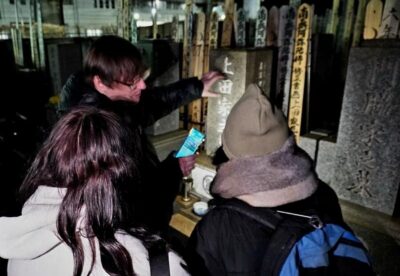
A cemetery at night gives John the right stage for Japanese tales of spirits, curses, and unexplained encounters. The wind, darkness, graves, and quiet lanes do much of the atmospheric work. You do not need to be a serious believer in ghosts to enjoy this part. Folklore often reveals what a culture fears, remembers, or feels it owes to the dead.
This section is also where you visit the grave of Hachiko, Japan’s famous loyal dog. That detail adds a softer and more familiar note to a tour otherwise filled with murder, abuse, and restless spirits. Hachiko’s story is widely known, but seeing the grave within this darker route gives the ending a useful change of pace.
Timing matters here. One person suggested starting a little earlier so the cemetery could be seen in fading daylight before the ghost stories began. I agree that this would add context. In full darkness, the atmosphere should be stronger, but you may have less chance to appreciate the cemetery as a real historic place rather than simply a spooky backdrop.
The ending near Aoyama-Itchome Station makes the route practical. John has also helped people work out their train connections after the walk, which is useful in a city where the final transfer can be less obvious than the first one.
More dark history tours in Japan:
- The Dark Side of Tokyo – Night Walking Tour Shinjuku Kabukicho
★ 4.5 · 297 reviews - The Dark Side of Osaka Walking Tour
★ 5.0 · 49 reviews - Dark Side of Tokyo Tour
★ 5.0 · 5 reviews - Adults-Only New Orleans Ghost, Crime, Voodoo, and Vampire Tour
★ 5.0 · 6,545 reviews
John’s storytelling is the main attraction
The locations matter, but John is the element that ties the evening together. The strongest praise centers on his storytelling, historical preparation, humor, expressive acting, and willingness to answer questions.
He is not presented as a detached academic guide. He is quirky, animated, and comfortable playing up a ghost story. That gives the tour energy. Some descriptions of his style point to dramatic voices, exaggerated reactions, and jokes that keep the group involved, even during long stretches on foot.
The tradeoff is that the tour depends heavily on your response to his personality. If you enjoy a guide who performs and chats, that is a major advantage. If you want a quiet, tightly scripted account with a neutral tone, you may find the delivery too informal.
I also like that John can discuss subjects beyond the headline stories. The tour has prompted questions about Japanese history, wartime Japan, crime, society, and local customs. That makes it more useful than a simple list of murders and ghost sightings.
The best approach is to ask questions. The walk is designed to be educational as well as entertaining, and the guide is described as open to discussion. You may get more from it by treating John as a local history resource rather than waiting passively for the next scare.
What the price includes, and what it does not
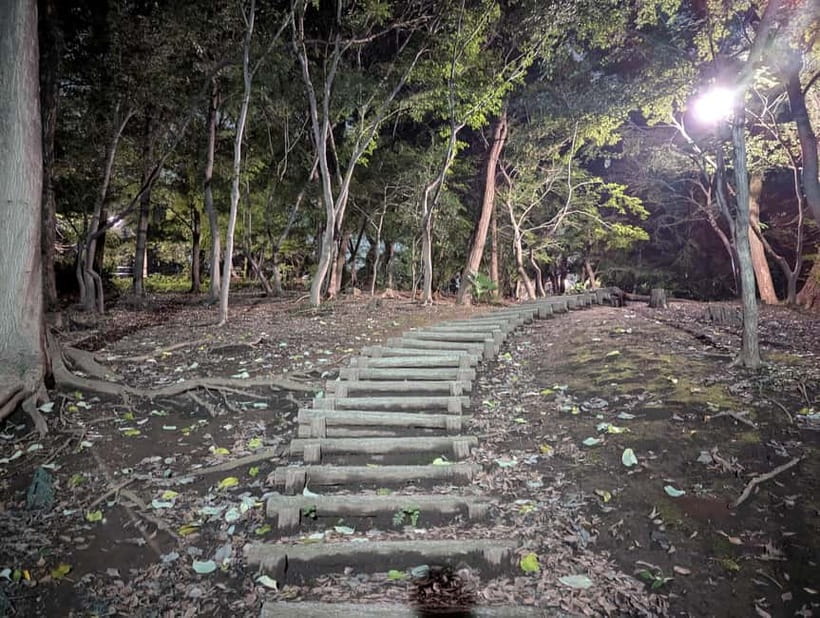
At $35 per person, the tour is fairly priced for a three-hour guided walk, especially if you value a small-group feel and a guide with a strong personal style. You are paying for the research, storytelling, route planning, and English-language interpretation rather than for entry into attractions.
There are no admission fees along the route. You should add 200 yen for transportation, as that cost is not included. Dinner is also not included, so plan a meal before or after the walk. Since the route begins in Shinjuku and ends near Aoyama-Itchome, you have plenty of options, but you should not expect food to be part of the experience.
A private group is available. That may be worth considering if your party wants to ask many questions, prefers a certain pace, or has mixed feelings about the darker material. A private format will not make the subjects less graphic, but it can give you more control over the conversation.
The booking terms are flexible: you can reserve and pay later, and cancellation is free up to 24 hours before the tour for a full refund. Starting times vary, so check the available slot when booking. The walk’s evening timing can add atmosphere, particularly at the cemetery, but a later start may also mean more fatigue after a full day in Tokyo.
Walking, stairs, and the real comfort level
The practical warning deserves attention. This is a walking tour with stairs, and it is not recommended for people who tire easily, have a low level of fitness, use wheelchairs, or weigh more than 300 pounds, or 136 kilograms.
Wear comfortable shoes and bring water. Tokyo’s streets can feel tiring even when the route itself is manageable, and humidity can make a three-hour walk feel longer. One person joined after already walking about 20,000 steps and still found the stories carried the evening, but I would not use that as a reason to ignore the fitness warning.
The route is not built around paid attractions with seats, restrooms, or indoor shelter. You will spend much of the time outside, and rain or heat can change the feel of the night. A rainy evening may add to the ghost-story mood, but it also makes the walk less comfortable.
The tour ends at a station, which helps. Still, do not schedule a demanding dinner reservation immediately afterward unless you know you can keep to the pace. The guide may be flexible, but the route covers several neighborhoods and is meant to be completed on foot.
Who should book this Tokyo walk
I would recommend it most strongly to adults interested in true crime, Japanese folklore, urban history, organized crime, or the less polished side of Tokyo. It is also a good choice if you have already seen the major temples, shopping areas, and observation decks and want a different angle on the city.
The tour suits people who enjoy a guide with a comic streak. John’s humor and dramatic delivery are central to the experience, not small extras. His style has been described as a mix of scholar, storyteller, and actor, and that combination keeps the three hours moving.
You should think twice if you dislike graphic descriptions, sexual subjects, war-crime history, or adult jokes. Children under 14 are not accepted, and the material is not softened for a family audience.
I would also avoid booking this as a casual substitute for a gentle evening stroll. The route can be funny, but it is not light. Some stories concern victims of severe violence and wartime abuse, and the ghost stories grow out of that darker subject matter.
Should you book the True Crime and Ghost Stories Tour?
Book it if you want Tokyo explained through its crimes, legends, nightlife, and uncomfortable history rather than through its usual postcard sights. At $35, three hours of English guiding is good value, with no entry fees to add and only 200 yen in listed transport costs.
The strongest reasons to go are John’s energy, the unusual route, and the mix of true crime, wartime history, adult nightlife, and ghost lore. The main reasons to skip it are the walking, the explicit subject matter, and a comic style that will not suit every mood.
For the right audience, this is an unusually personal way to see Tokyo. You leave the bright center of the tourist map and spend an evening asking what lies behind the neon, the shrine gates, and the carefully maintained city image. That is exactly the point of the tour.
FAQ
How long does the Tokyo True Crime and Ghost Stories Tour last?
The tour lasts three hours.
Where does the tour begin?
It begins at Hanazono Shrine in Shinjuku, near Golden Gai. Meet just in front of the stairs leading to the main shrine building inside the shrine grounds.
Where does the tour end?
The walk ends at Aoyama-Itchome Station.
Who guides the tour?
The English-language guide is John, described as a thin, bald white man at the meeting point.
What places does the tour visit?
The route includes Kabukicho, Toyama Park, and Aoyama Cemetery. It also includes the grave of Hachiko.
Are transportation and entrance fees included?
Transportation is not included. You should budget 200 yen. There are no entry fees for the places visited along the route.
Is the tour suitable for children?
No. Children under 14 are not suitable for this tour because it includes murder, prostitution, sex, war crimes, adult language, and dark humor.
Is the tour accessible to wheelchair users?
No. The tour is not suitable for wheelchair users. It also includes considerable walking and stairs, so it is not recommended for people with low fitness or those who tire easily.
Just added around Japan
- Tokyo’s Scariest Shitamachi Ghost Tour★ 4.0 · 30 reviews
- Tokyo Ghost Tour Through Haunting Japanese Legends★ 5.0 · 6 reviews
- Ghost Stories and Nightlife Tour of Takayama (Private Tour – Price per Group)★ 4.5 · 4 reviews
- The Dark Side of Osaka Walking Tour★ 5.0 · 49 reviews
- Kabukicho Macabre Tour The Real Tokyo Vice★ 5.0 · 33 reviews
- Tokyo: Ghost Tour with Scary Japanese Stories and Folklore★ 4.7 · 7 reviews
- Kyoto: Ghost Tour – Legends, Dark Tales, Bamboo Forest Night★ 5.0 · 105 reviews
- Ghost Stories and Nightlife Tour of Takayama★ 4.6 · 3 reviews
Tokyo Ghost Tours, compared.
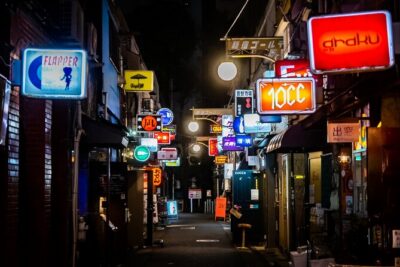
The Dark Side of Tokyo – Night Walking Tour Shinjuku Kabukicho
Read our review →
Tokyo Shinjuku Food & Backstreet Culture Tour: 15 Dishes+3 Drinks
Read our review →
Ghost Tour with Scary Japanese Stories and Folklore
Read our review →
Tokyo Ghost Tour Through Haunting Japanese Legends
Read our review →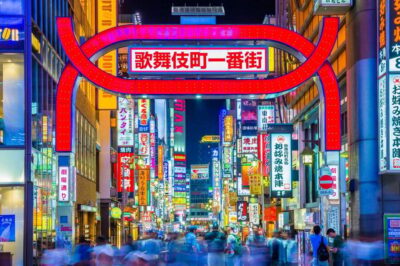
Browse the lists this tour appears in