
REVIEW · TOKYO GHOST TOURS
Kabukicho Macabre Tour – the Real Tokyo Vice
Kabukicho looks like a wall of neon, but its most gripping stories sit in the side streets. This two-hour walk with Vivian traces real murder sites, mafia conflicts, murder-suicides, accidents, terrorist attacks, and unsolved crimes across Tokyo’s best-known red-light district.
I like two things here: you visit actual locations instead of hearing a string of abstract crime stories, and the small group makes it easy to ask about nightlife, sex work, Japanese subcultures, or the Yakuza game series. The main drawback is clear: this is adult subject matter, and some stories involve violence, death, and exploitation.
Key points to know before booking
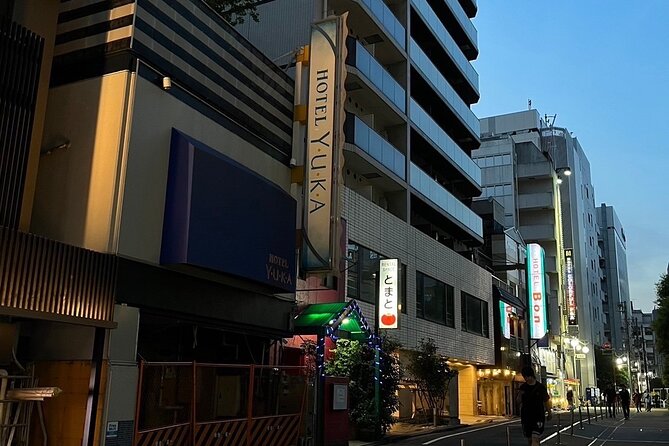
- Real Kabukicho locations: Visit places connected with murders, gang violence, accidents, and other disturbing incidents.
- Vivian’s specialist background: She wrote her graduating thesis on nightlife and night work in Japan and leads the tour in English.
- Small groups of four: You can hear the guide clearly and ask direct questions without a crowd.
- More than crime stories: The walk covers red-light culture, love hotels, nightlife work, folklore, and changing views of Kabukicho.
- Pop-culture connections: The route can include locations linked with the Yakuza games and HBO’s Tokyo Vice.
- A shrine ending: The tour closes with a quieter visit to a shrine, a fitting change after two hours of grim tales.
Why Kabukicho makes such an unusual walking tour
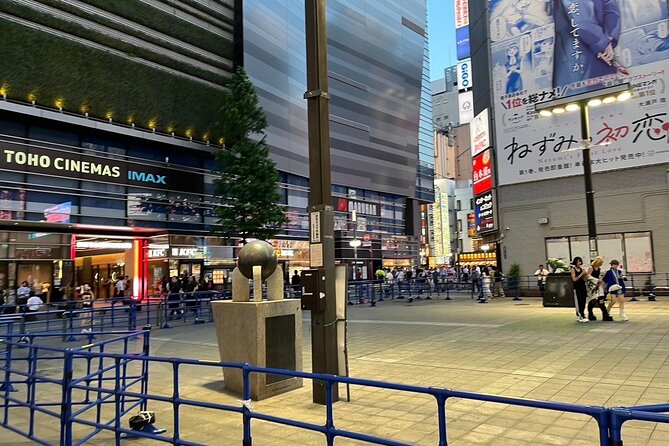
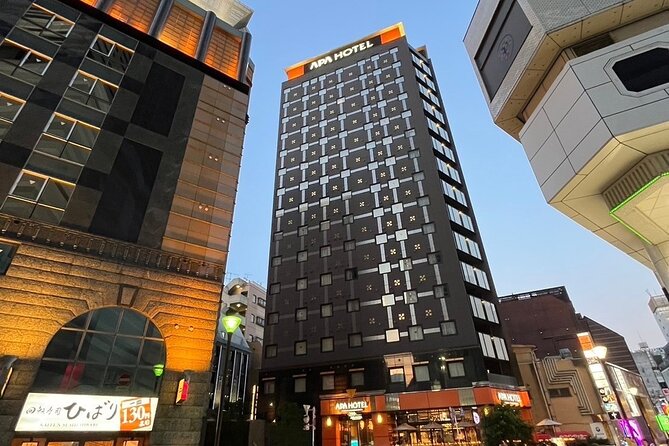
Kabukicho is often presented to visitors as Tokyo’s neon playground. That picture is not wrong, but it leaves out much of what makes the district compelling. Behind the giant signs and narrow alleys are decades of nightlife work, organized crime, sudden violence, personal tragedy, and urban folklore.
This tour treats Kabukicho as a real neighborhood rather than a theatrical backdrop. You walk past places connected with events from the past 43 years, while Vivian explains what happened and how each story fits into the district’s wider culture.
That distinction matters. A standard sightseeing walk might point out a famous gate, a restaurant street, or a gaming landmark. Here, the physical setting helps you understand why Kabukicho has acquired such a dark reputation. A hotel entrance, a side street, or a coin locker can take on a different meaning once you know the story attached to it.
I also like that the tour does not focus only on sensational crime. The description includes explanations of red-light district culture and social issues. That gives you a chance to ask what nightlife work looks like in Japan, how the district operates, and why certain forms of entertainment cluster in Shinjuku.
A few more ghost walks around Japan worth a look
- Kyoto Ghost Tour: Dark Tales, Urban Legends, Bamboo Forest Night
★ 5.0 · 625 reviews - The Dark Side of Tokyo – Night Walking Tour Shinjuku Kabukicho
★ 4.5 · 297 reviews - Tokyo Shinjuku Food & Backstreet Culture Tour: 15 Dishes+3 Drinks
★ 5.0 · 260 reviews
Meeting Vivian beneath the Kabukicho Tower lights
The meeting point is in front of the Starbucks at Kabukicho Tower, on the stairs. This is a useful landmark in a district filled with glowing signs and busy entrances, but you should still check the map pin before setting out.
The tour is conducted in English. Vivian is described as a native English speaker, and her academic work on Japanese nightlife and night work gives her a strong base for questions that go beyond the prepared stories. You can ask about the history of the area, current nightlife, cultural attitudes, or the meaning of places you pass along the way.
The group limit is four people. That is a major practical advantage in Kabukicho, where large groups can block narrow paths and make a guide hard to hear. With only a few people, you can stop without creating a street-clogging knot, and you have room to ask follow-up questions.
The pace is built around walking and talking, not entering attractions. You are shown locations from the outside while Vivian explains their context. That means comfortable shoes matter, and you should expect to remain outdoors for the full two hours.
The first streets: history beneath the neon
The opening part of the walk introduces Kabukicho and the wider red-light district. Vivian explains how the area developed and how entertainment, nightlife work, and criminal activity became linked in the public imagination.
This background is important because the district can otherwise feel like a confusing collection of signs. You might see a love hotel beside a restaurant, a quiet side street beside a loud entertainment building, and a row of small venues hidden above ground level. The tour gives these details a social and historical frame.
The stories cover a long period rather than one single notorious case. Vivian discusses mafia murders, gang disputes, murder-suicides, accidents, and crimes that were never solved. Some incidents are recent enough to feel connected to the Kabukicho you see today.
The guide uses illustrations for some cases. That can help when the location itself has changed or when the physical setting does not immediately reveal what happened there. It also gives the storytelling a clear structure, rather than asking you to follow a complicated account only through spoken details.
Murder sites, gang conflicts, and the darker side of nightlife
One of the strongest elements is the link between story and place. You pass actual locations tied to incidents, including sites associated with shootings, fights, Yakuza encounters, and gang conflict.
I would not book this expecting a theatrical ghost show. The focus is on real events and the cultural setting around them. The supernatural material is part of the atmosphere, but the tour also deals with documented crime and the human cost of nightlife.
That balance makes the walk more useful. You are not simply collecting spooky anecdotes. You are considering how a crowded entertainment district can produce conflict, how personal relationships can turn tragic, and how certain places develop reputations over time.
The subject matter can be harsh. Murder, suicide, violence, and exploitation are not treated as light entertainment. If you prefer gentle sightseeing or are uncomfortable with true crime, this is probably not the right evening activity.
For people who do enjoy crime history, the format works well. You are close to the setting, the stories are tied to specific places, and the small group allows you to ask how much of Kabukicho’s public image comes from fact, rumor, or popular culture.
Same streets after dark, a different sort of fright:
- Tokyo: True Crime And Ghost Stories Tour
★ 4.9 · 163 reviews - Kyoto: Ghost Tour – Legends, Dark Tales, Bamboo Forest Night
★ 5.0 · 105 reviews - The Dark Side of Osaka Walking Tour
★ 5.0 · 49 reviews - Kabukicho Macabre Tour The Real Tokyo Vice
★ 5.0 · 33 reviews
Love hotels, red-light culture, and questions you can ask
Kabukicho’s love hotels are part of the tour’s wider discussion of nightlife culture. Vivian explains cultural issues and phenomena connected with the red-light district, rather than simply pointing at buildings and labeling them.
This is where the guide’s background becomes particularly useful. A walk focused only on murder would give you a narrow view of Kabukicho. Talking about night work and the structure of the entertainment district gives you a more human picture, even when the subject matter is uncomfortable.
You can ask questions about Japan’s nightlife and night work, and the tour is designed for that sort of conversation. The group size means the discussion does not need to stop after one scripted explanation. If you are curious about how the district functions after dark, this is likely to be one of the most valuable parts.
Keep in mind that the tour does not promise entry into love hotels or nightlife venues. It is a walk and talk experience that explains the places from the street. You are learning through context, observation, and conversation.
Haunted places and the Tokyo after-dark mood
The route passes areas known to be haunted. These stories add a supernatural layer to the walk, especially when you are standing in an ordinary-looking place that has gained a darker reputation.
The mood comes from the contrast. Kabukicho is loud, bright, and full of people, yet the tour draws your attention to quiet corners and less obvious details. A brightly lit street can feel different once you know about a tragedy connected with it.
The supernatural side should be seen as part of the district’s modern lore, not as a promise of paranormal proof. If you enjoy ghost stories, the haunted locations add suspense. If you prefer factual crime history, the documented cases and social explanations give you plenty to consider.
The nighttime setting is central to the experience. Kabukicho’s signs, alleys, and crowds are part of what makes the stories work. Still, remember that the tour takes place in an active entertainment district, not a controlled attraction. You will be walking through real streets with ordinary nightlife continuing around you.
Yakuza game and Tokyo Vice locations
Fans of the Yakuza game series can connect the real streets with locations and settings that inspired the games. The tour can also pass places used to film the HBO series Tokyo Vice.
These references are a welcome extra rather than the main purpose of the walk. You do not need to know either title to follow the history, but the connection can add a satisfying layer if you have spent time in the fictional versions of Kabukicho.
The real district is less tidy than a game map or television set. That is part of the appeal. You see how popular culture borrows the look and mood of Kabukicho, while the guide explains the real people, conflicts, and social issues behind that image.
If you are booking mainly for filming locations, confirm the exact route with Vivian. The information says these places can be included, but the core promise is the macabre history and red-light district context.
Ending at a shrine after two hours of grim stories
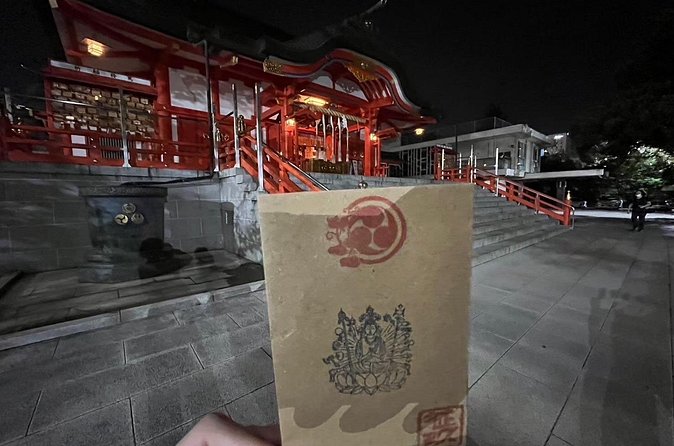
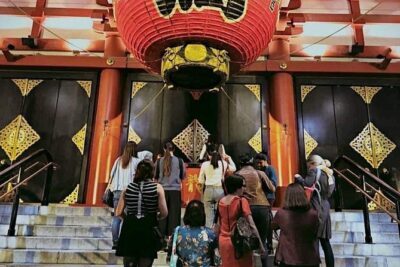
The tour ends with a shrine visit. That change of tone is well chosen. After hearing about murder, accidents, gang disputes, and haunted locations, a shrine offers a quiet place to pause and reflect.
The ending also connects with Japanese ideas about protection and spirits. One participant received a protective ward against ghosts, though you should not assume that such a gift is guaranteed on every departure.
This final stop prevents the tour from ending on a sensational note. You leave with a reminder that the district is not only a collection of shocking stories. It is also part of a living city, with places of worship and everyday life close to its nightlife streets.
For some people, the shrine will be the most memorable part because it gives the evening a sense of release. For others, the real crime locations and cultural discussion will be the main draw.
Is $56 a fair price for two hours?
At $56 per person, this is not the cheapest way to see Kabukicho. You are paying for a specialized subject, a live English-speaking guide, and a group capped at four rather than for entrance tickets or transport.
The value depends on what you want. If you only need a quick look at the neon streets, you can explore Kabukicho without booking a tour. If you want researched stories connected to precise locations and the chance to ask detailed questions about Japanese nightlife, the price is easier to justify.
The small-group limit matters here. A low-cost walk with 20 or 30 people would be a poor match for narrow streets and sensitive topics. With four people, the guide can adjust explanations and answer questions.
The tour has a five-star rating from 48 reviews, and the most consistent praise centers on Vivian’s storytelling, preparation, passion, and ability to explain both past events and current culture. The repeated comments about clear information and good pacing suggest that the price buys more than a stroll through neon streets.
Who should book, and who should skip it
I would recommend this tour to adults interested in true crime, Japanese subcultures, urban legends, nightlife, or the Yakuza games. It also suits repeat visitors who have already seen the polished side of Tokyo and want a more complicated view of Shinjuku.
It is especially useful if you enjoy asking questions. Vivian’s academic background and the group size create room for discussion about night work, entertainment culture, crime, and the way Kabukicho is portrayed in media.
You should skip it if you are looking for family sightseeing, light entertainment, or a broad introduction to Tokyo. Children under 15 are not permitted, and the subject matter is not suitable for young visitors.
Wear shoes you can walk in and use the restroom before meeting the group. One departure lost time because a participant needed a restroom stop, despite being asked about it at the start.
The tour is wheelchair accessible, but Kabukicho’s active streets and walking format may still make comfort and pace worth discussing when booking. Canceling up to 24 hours ahead allows a full refund, and you can reserve now and pay later if you want to keep your plans flexible.
Should you book the Kabukicho Macabre Tour?
Book it if you want Tokyo with the polish removed. The real strength is the combination of place, research, and conversation: you stand in Kabukicho while hearing how crime, nightlife, folklore, and popular culture have shaped its reputation.
I particularly like the route’s range. Murder sites and mafia stories provide the shock, but the discussion of night work, love hotels, haunted places, and media connections gives the evening more substance.
Do not book it simply because the title sounds spooky. The tour deals with serious events and can be disturbing. But if that subject interests you, this small, focused walk offers a rare way to understand the district beyond its signs and game-inspired image.
FAQ
Where does the Kabukicho Macabre Tour meet?
The meeting point is in front of the Starbucks at Kabukicho Tower, on the stairs. A Google Maps pin is provided with the booking information.
How long does the tour last?
The tour lasts two hours.
What language is the tour in?
The tour is conducted in English.
How many people can join the group?
The group is limited to four participants.
What does the tour cover?
It covers Kabukicho’s history, red-light district culture, night work, real crime locations, mafia murders, murder-suicides, accidents, terrorist attacks, haunted areas, love hotels, and unsolved serial killings.
Does the tour include Yakuza game or Tokyo Vice locations?
The route can include locations connected with the Yakuza games and places used to film the HBO series Tokyo Vice.
Is the tour suitable for children?
No. Children under 15 are not permitted.
Is the tour wheelchair accessible?
Yes, the activity is listed as wheelchair accessible.
Just added around Japan
- Tokyo’s Scariest Shitamachi Ghost Tour★ 4.0 · 30 reviews
- Tokyo Ghost Tour Through Haunting Japanese Legends★ 5.0 · 6 reviews
- Ghost Stories and Nightlife Tour of Takayama (Private Tour – Price per Group)★ 4.5 · 4 reviews
- The Dark Side of Osaka Walking Tour★ 5.0 · 49 reviews
- Kabukicho Macabre Tour The Real Tokyo Vice★ 5.0 · 33 reviews
- Tokyo: Ghost Tour with Scary Japanese Stories and Folklore★ 4.7 · 7 reviews
- Kyoto: Ghost Tour – Legends, Dark Tales, Bamboo Forest Night★ 5.0 · 105 reviews
- Ghost Stories and Nightlife Tour of Takayama★ 4.6 · 3 reviews
Tokyo Ghost Tours, compared.
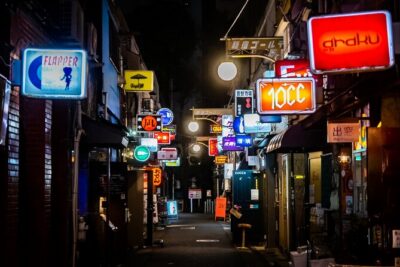
The Dark Side of Tokyo – Night Walking Tour Shinjuku Kabukicho
Read our review →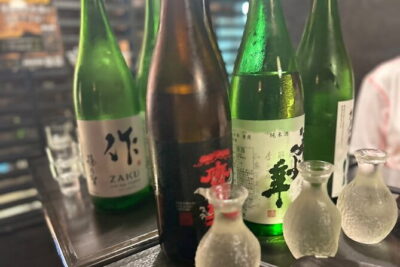
Tokyo Shinjuku Food & Backstreet Culture Tour: 15 Dishes+3 Drinks
Read our review →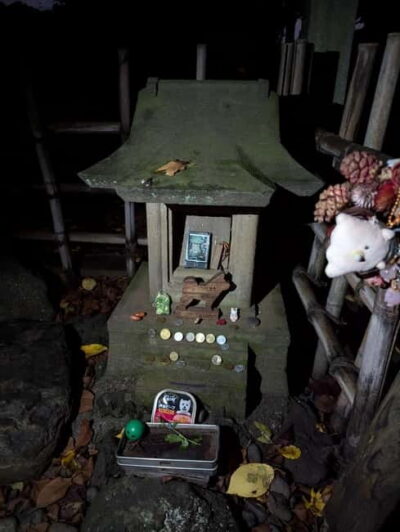
Ghost Tour with Scary Japanese Stories and Folklore
Read our review →
Tokyo Ghost Tour Through Haunting Japanese Legends
Read our review →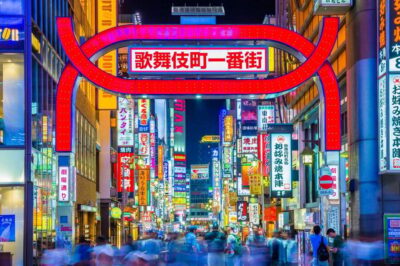
Browse the lists this tour appears in