
REVIEW · ROME GHOST TOURS
Ghosts, Legends & Mysteries of Rome Tip-Based Walking Tour
Rome’s most polished monuments have a darker side. This 90-minute night walk follows stories of executions, poisoners, corrupt popes, witches, heretics, assassins, and ghosts from Castel Sant’Angelo to Campo de’ Fiori. It is history with the curtains pulled back, and sometimes the jokes are as black as the subject matter.
I like the face-to-face storytelling, with no headphones getting between you and the guide. I also like the route itself: famous places look different after sunset, and smaller streets gain a sinister edge. The main drawback is that the tour can feel short, and a large group may make it harder to hear or ask questions.
Key points
- Castel Sant’Angelo begins the night with Rome’s most dramatic setting, once a fortress, prison, and place tied to executions.
- Giulia Tofana’s poison stories bring a chilling, less familiar figure from Roman history into the tour.
- Dark humor is part of the deal, including politically incorrect jokes that will not suit every audience.
- The route ends at Campo de’ Fiori, giving you a useful place to continue the evening over food or drinks.
- The guides make the experience, with Ivan, Leonardo, Simone, Max, and others praised for lively delivery and strong command of the stories.
- The low advertised price is not the final cost: plan on tipping at least €10 per person, usually in cash.
Rome after dark, with the polished surface removed
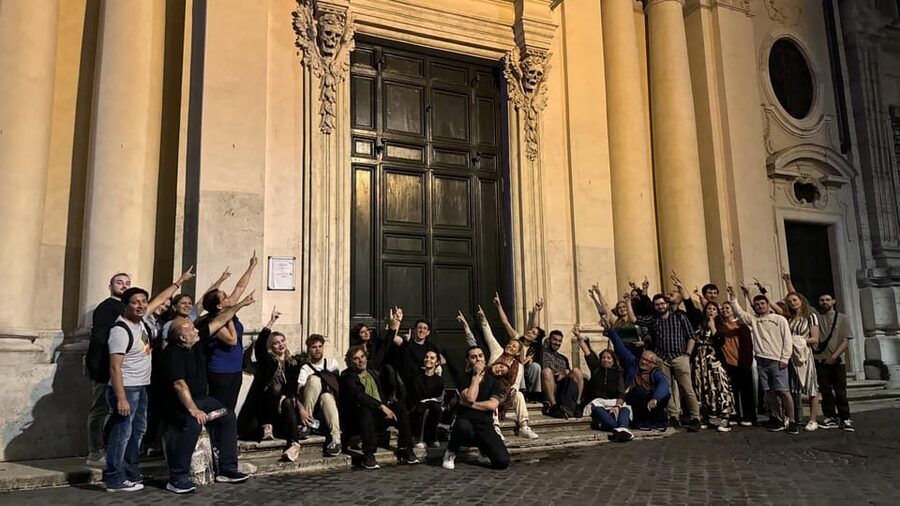
This is not a standard sightseeing walk. You will not spend the evening ticking off Rome’s grandest churches or hearing a broad survey of ancient history. Instead, the guide picks out the city’s unsettling corners and connects them to murder, punishment, superstition, religious conflict, and political power.
That focus gives the tour its appeal. Rome can feel familiar after a day of fountains, piazzas, and monumental ruins. Then night arrives, the crowds thin, and a guide points toward a quiet building or narrow street with a story involving a death, a prison, or a crime that has survived for centuries.
I like this kind of tour because it changes the way you look at places you may already have visited. The Fountain of the Mask and Farnese Palace are not just photo stops. They become settings in a story. Campo de’ Fiori is not only a pleasant square for dinner. It carries the memory of public punishment and the darker side of Rome’s civic life.
More Ghost Story Tours in Italy
- Rome: Small Group Rome’s Dark Side – Ghosts & Legends Tour
★ 4.9 · 343 reviews - Ghosts Legends and Mysteries of Rome Walking Tour
★ 5.0 · 149 reviews - Rome: Capuchin Crypts & Ghostly Legends Small-Group Tour
★ 4.9 · 133 reviews
Starting at Castel Sant’Angelo
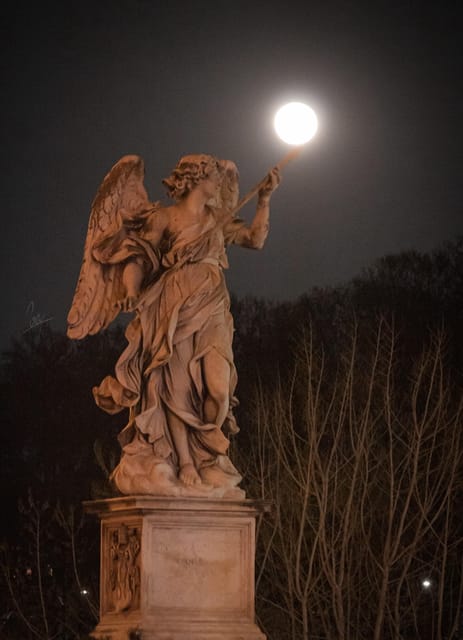
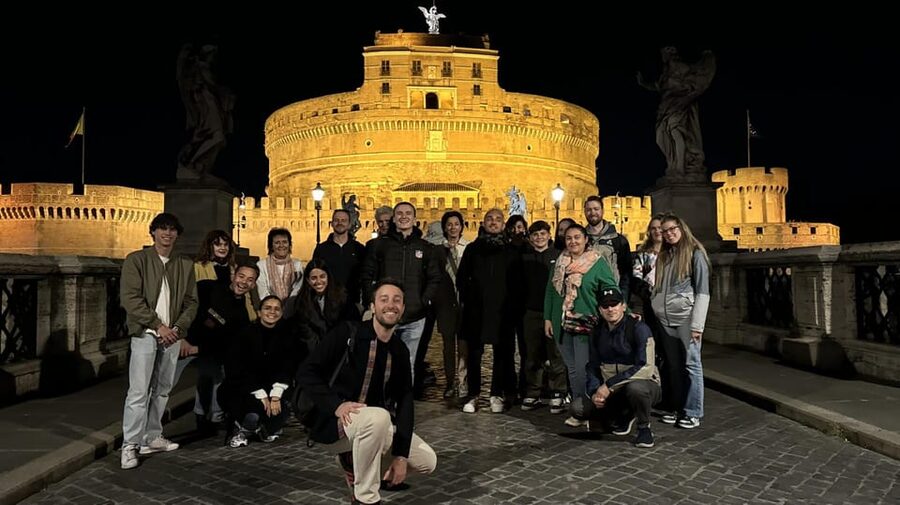
Meet directly in front of the entrance to Castel Sant’Angelo, beside Ponte Sant’Angelo. This is a practical meeting point, since the castle is easy to identify and the bridge is one of the city’s most memorable evening viewpoints.
The opening section lasts about 15 minutes. You get a photo stop, an introduction to the castle, and the first major stories of the night. The setting does much of the atmospheric work: a massive cylindrical fortress beside the Tiber, looming above the street after dark.
The tour uses Castel Sant’Angelo as more than a pretty backdrop. Its long history connects military power, papal rule, imprisonment, and executions. The guide also uses it to set the tone for stories about people who were punished, betrayed, or trapped by Rome’s ruling institutions.
You should not expect entry into the castle. This is a walking tour with outdoor storytelling, not an interior visit. That keeps the pace moving and the cost low, but it also means you will learn through the guide’s account rather than through museum displays or historic rooms.
Short stops and secret corners
After Castel Sant’Angelo, the group moves through several brief stops. Some last only five minutes, while others take ten. The exact names of two stops are kept secret, which is part of the fun but also means you cannot plan the route as a conventional sightseeing checklist.
These pauses are built around stories rather than long explanations. You may hear about haunted sites, forbidden practices, executions, or people caught up in Rome’s religious and political conflicts. The guide points out the place connected to the tale, then brings the past back through narration.
This format suits you if you enjoy atmosphere and surprises. It is less suitable if you want precise architectural commentary at every stop or time to examine each building in detail. The walk keeps moving, and the guide’s performance matters more than the physical sites alone.
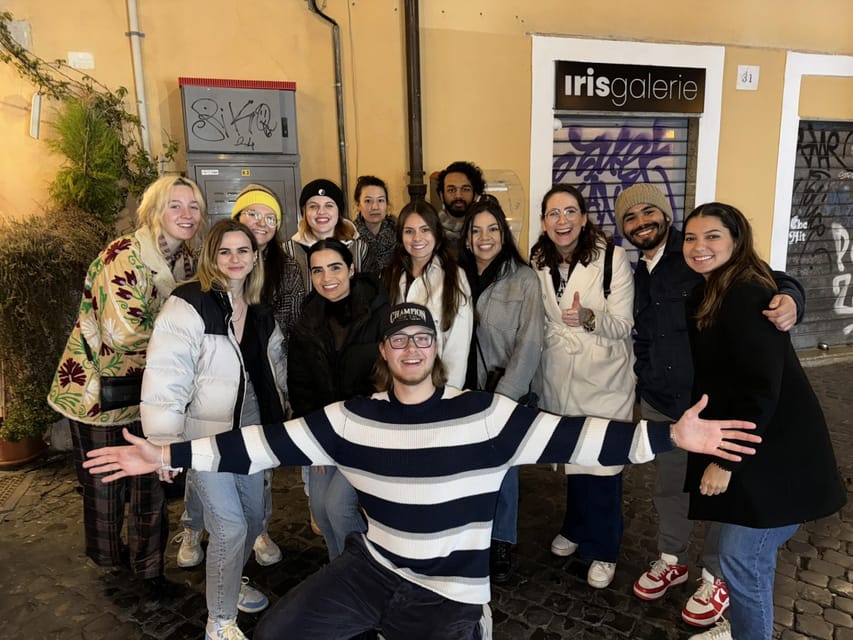
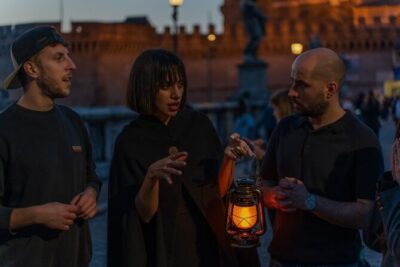
A useful detail from the experience is the lack of headphones. The guide speaks directly to the group, accepts questions, and can respond to the mood of the people around him. That makes the walk feel more like a conversation than a recorded audio tour. The tradeoff is simple: if the group grows too large, you may need to stay close to hear every detail.
Witches, heretics, and Rome’s machinery of punishment
The stories range beyond ghosts. You will hear about witches, heretics, the Inquisition, corrupt popes, and people who used violence or deception to survive. These subjects show Rome as a place shaped not only by art and faith, but also by fear and authority.
The treatment is intentionally unfiltered. The tour presents the cruelty and absurdity of the past without trying to make every figure respectable. That can be refreshing after the polished version of Rome often presented in guidebooks.
At the same time, the stories are delivered with dark humor. Guides such as Ivan, Leonardo, Simone, and Max are praised for making grim material entertaining without losing the historical thread. Ivan is especially associated with a quick, warm delivery and black humor. Leonardo is known for involving the group and adding local recommendations at the end.
You should know what you are signing up for. The jokes may be politically incorrect, and the subject matter includes murder, torture, executions, and terrible deaths. If you prefer a solemn presentation, this may not be your best evening activity. If you can handle humor alongside grim facts, the tone helps keep the 90 minutes lively.
More Ghost Story Tours in Rome
- Rome’s Dark Side Ghosts and Legends Tour
★ 5.0 · 93 reviews - Crypts and Legends: Exploring the Dark Side of Rome
★ 4.5 · 69 reviews - Ghost & Legends in Night Rome Walking Tour
★ 5.0 · 36 reviews - Rome After Dark Mysteries Myths and Haunted History
★ 5.0 · 14 reviews
Giulia Tofana and the darker side of true crime
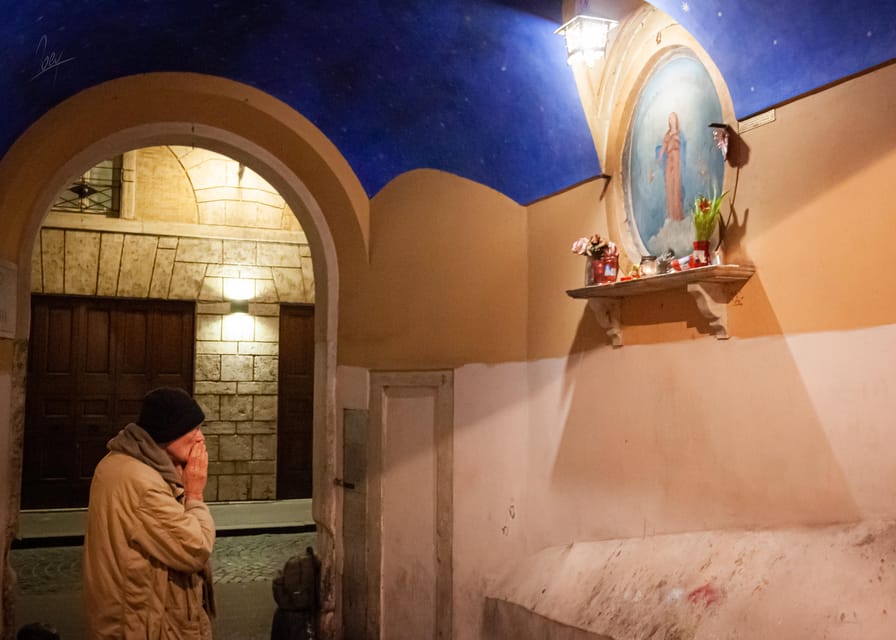
One of the more unusual figures connected with the tour is Giulia Tofana, an infamous poisoner. Her story brings the focus away from famous emperors and popes and toward the secret crimes that took place behind Rome’s respectable facades.
This is the kind of subject that makes the walk different from a standard city tour. You are not simply hearing that a building is old. You are learning about the people, motives, and acts that gave certain places their sinister reputation.
The tour also separates itself from a pure ghost walk. Some stories concern alleged hauntings and urban legends, while others involve documented crimes or brutal events. That mix gives the evening some variety. You get the supernatural atmosphere, but you also get real human wrongdoing, which is often more disturbing.
I would listen for the guide’s distinction between fact, legend, and local tale. The tour is designed to entertain, so not every story will have the same historical weight. One critical assessment found that some facts felt loosely connected and did not build toward a strong final climax. That is a fair concern. The pleasure here comes from a series of dark episodes, not from one carefully constructed mystery.
The Fountain of the Mask
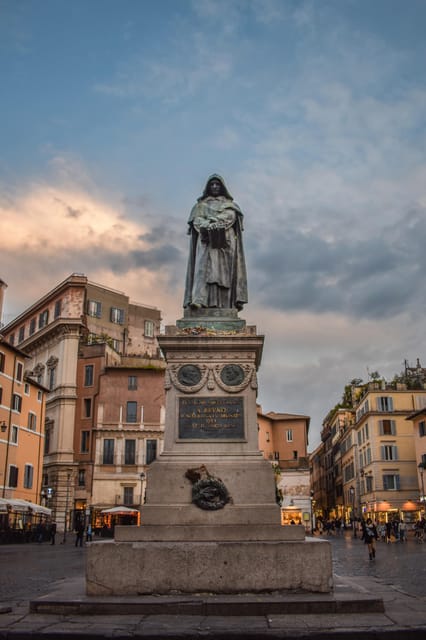
The Fountain of the Mask is one of the shorter stops, lasting about five minutes. It gives the group a visual break from the longer stories and adds another atmospheric feature to the route.
Fountains are usually among Rome’s most cheerful sights, but this one fits the tour’s mood because the guide frames it through the city’s legends and unsettling past. The stop works best as part of the wider walk, not as a major standalone attraction.
You will likely hear the guide explain why the place matters to the story being told, then move on before the group loses momentum. If you want long photo time, take your pictures quickly. The tour is paced as a continuous nighttime walk.
Farnese Palace and the power behind the stories
The stop at Farnese Palace adds a political dimension. Rome’s dark tales are not only about alleyways and apparitions. They are also about wealth, authority, religion, and the people who had the power to punish others.
The palace provides a strong backdrop for stories involving popes, institutions, and the upper levels of Roman society. The tour’s larger point becomes clear here: the city’s ghosts are tied to real systems of power. A haunting may be memorable, but the history behind it often concerns betrayal, corruption, or a public act of violence.
This part of the walk should appeal to you if you like social history with your sightseeing. You are seeing Rome through the lives of people who rarely appear in a basic monument tour. The information comes in short sections, so it remains accessible even if you have no background in Roman history.
Ending at Campo de’ Fiori
The final stop is Campo de’ Fiori, where the tour ends after roughly 10 minutes of storytelling and walking. Ending here is useful because you can easily continue the night with dinner, a drink, or a gelato.
The square also fits the theme. It is lively and social now, but its past includes public executions and religious punishment. The contrast is exactly what makes the stop effective. You can look around at restaurants and evening activity while hearing about a far harsher version of the same place.
The ending is not designed as a theatrical finale. One assessment found that the route did not always build toward a clear climax, and another simply found the 90 minutes too short. I agree that you should view the final stop as a stopping point rather than a grand reveal.
Still, the location is practical. Several guides provide suggestions for local restaurants, gelaterias, food, and drinks. That extra advice can be especially useful if you want to stay in the area after the walk instead of crossing town late at night.
What the tip-based price really means
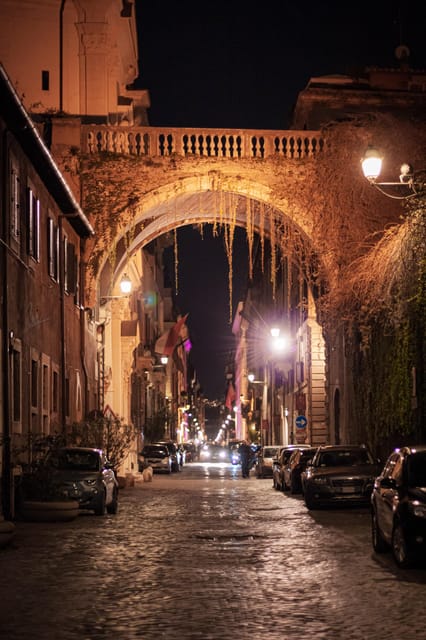
The advertised price of $3.77 per person is a booking price, not a realistic measure of the guide’s full pay. This is a pay-what-you-want experience, and the guides work for tips alone.
You should budget at least €10 per person, preferably in cash, with higher tips appropriate if you feel the guide delivered a strong evening. The stated usual range runs from €10 to $50, so the final cost depends on your judgment and your group’s budget.
At €10 or more, the value is good if you enjoy storytelling and want something different from a standard Rome tour. You get a local guide, a 90-minute walking route, several unusual stops, and a night view of central Rome. It is not good value if you expect admission to Castel Sant’Angelo, a long historical lecture, or a fully scripted theatrical production.
Free cancellation up to 24 hours before the start and reserve-now, pay-later booking make it easy to fit into a busy Rome schedule. English and Spanish tours are available. Starting times vary, so check the available evening departure before planning dinner around it.
Guides, group size, and the real pace
The guide is the heart of this activity. Ivan is repeatedly praised for humor, warmth, and the ability to keep the group involved. Leonardo is associated with strong storytelling, detailed explanations, and useful food recommendations. Simone is described as passionate and funny, while Max also receives praise for making the history both clear and entertaining.
Names can vary by departure, so you should not book expecting one particular guide unless the provider confirms it. The common thread is a conversational style, with room for questions and direct interaction.
The walk is not physically demanding in the way a long day tour can be, but you will be on your feet for 90 minutes. Wear comfortable shoes, especially since the route includes city streets and several short walking sections between stops.
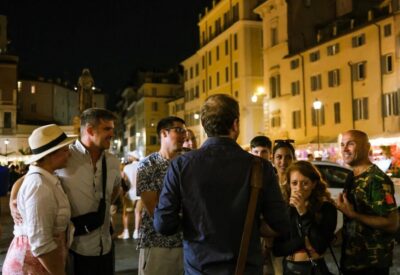
Group size can also vary. A smaller group makes it easier to hear, ask questions, and stay involved. One assessment found a group too large for everyone to speak up, while other experiences had a comfortable pace and a manageable crowd. Arrive at the castle meeting point on time and stay close to the guide once the walk begins.
Who should book this Rome night walk?
I would book this for a repeat visitor who has already seen the Colosseum, Trevi Fountain, and Pantheon and wants a different angle on the city. It also suits curious first-time visitors who enjoy crime stories, folklore, and history delivered with a joke or two.
Families with older children may enjoy it, but the subject matter is adult in tone. Young children may find the stories upsetting or fail to appreciate the humor. The same applies to anyone who prefers gentle ghost tales rather than accounts of real violence.
This is also a good choice for solo visitors and couples because the group setting gives you an easy evening activity without requiring a full dinner reservation or a major time commitment. You finish at a central square, so you can decide what to do next.
Should you book it?
Book this tour if you want Rome’s uncomfortable stories, an engaging guide, and a night walk that costs little upfront. The strongest part is the storytelling, especially when Ivan, Leonardo, Simone, or another skilled guide turns an obscure crime into a scene you can picture.
Skip it if you want a carefully ordered historical lecture, museum entry, or a dramatic final reveal. The route can feel short, some stories may sit loosely beside one another, and a large group can affect the experience.
For most curious visitors, I think it is worth the tip. Bring at least €10 per person, keep an open mind about the dark humor, and treat the walk as an entertaining introduction to Rome’s grisly side rather than a definitive history lesson.
FAQ
Where does the tour start?
The meeting point is directly in front of Castel Sant’Angelo, by the Sant’Angelo Bridge.
Where does the tour finish?
The tour finishes at Campo de’ Fiori.
How long does the walking tour last?
The experience lasts about 1.5 hours, or 90 minutes.
What languages are available?
Live tours are available in English and Spanish.
How much should I tip the guide?
The tour is tip-based, so the guide works from tips rather than a fixed tour fee. Plan on at least €10 per person, with the final amount based on what you think the experience was worth. Cash is recommended.
Can I cancel my booking?
Yes. You can cancel up to 24 hours in advance for a full refund. You can also reserve now and pay later.
More Walking Tours in Rome
- Rome: Paranormal Night Walking Tour & Secret Backstreets
★ 4.9 · 1,921 reviews - Rome: Haunted City Night Walking Tour
★ 4.9 · 616 reviews - Haunted Rome Ghost Night Walking Tour
★ 5.0 · 495 reviews - Ghosts and Crimes of Rome Night Walk
★ 5.0 · 61 reviews
Just added around Rome
- Ghost & Legends in Night Rome Walking Tour★ 5.0 · 36 reviews
- Secrets of Rome – The dark side Small Group Walking Tour★ 5.0 · 20 reviews
- Rome: Private Night Ghost Walking Tour★ 5.0 · 38 reviews
- Rome Secrets with Dark History and Tasty Bites Tour Experience★ 4.5 · 3 reviews
- Rome After Dark Mysteries Myths and Haunted History★ 5.0 · 14 reviews
- Haunted Rome & True Crime: The Cenci Curse Game★ 4.5 · 27 reviews
- Experience Rome in this Mysterious Ghost Tour★ 3.5 · 3 reviews
- Haunted Rome: Eternal City Night Walking Tour★ 5.0 · 38 reviews
Rome Ghost Tours, compared.
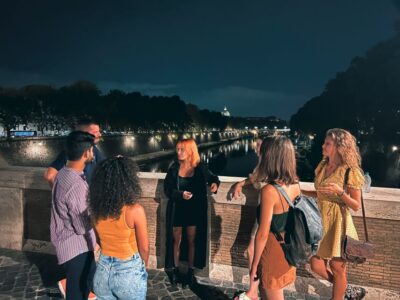
Paranormal Night Walking Tour & Secret Backstreets
Read our review →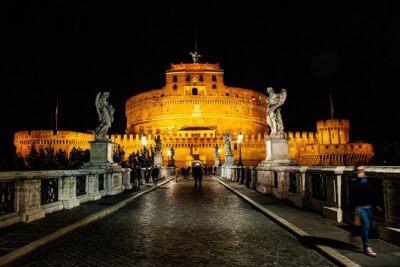

Small Group Rome’s Dark Side – Ghosts & Legends Tour
Read our review →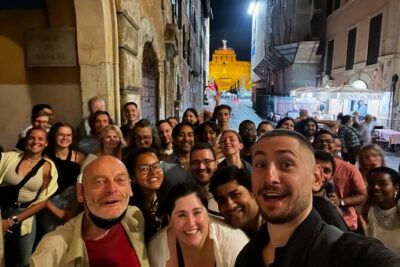
Ghosts Legends and Mysteries of Rome Walking Tour
Read our review →
Capuchin Crypts & Ghostly Legends Small-Group Tour
Read our review →Browse the lists this tour appears in