
REVIEW · ROME GHOST TOURS
Rome: Haunted City Night Walking Tour
Rome’s darker past comes alive after sunset on this two-hour walk from Campo de’ Fiori to Castel Sant’Angelo. You’ll hear about executions, murders, poisoned popes, and restless spirits while passing grand squares, tiny religious images, and bridges with grim connections.
I like the route for two reasons: it lets you see central Rome without the daytime heat and crowds, and it gives familiar sights a fresh meaning. Guides such as Yousef, Antonio, Maham, and Domenica are praised for clear English, strong storytelling, humor, and a willingness to answer questions. The main drawback is that the tour is more historical than truly frightening, so horror fans seeking jump scares may find it mild.
Key points
- Nighttime Rome: See Campo de’ Fiori, Ponte Sisto, Via Giulia, and Castel Sant’Angelo in cooler, quieter conditions.
- A dark-history route: Stories cover executions, murders, paranormal activity, infamous popes, emperors, and artists.
- A memorable chapel: Visit Santa Maria dell’Orazione e Morte, associated with death and human-bone decoration.
- Good guides matter: Yousef, Antonio, Maham, Domenica, Sarah, Dinara, and others are praised for humor, energy, clear English, and storytelling.
- Small enough to follow: The group limit is 20 people, with private tours available.
- Simple value: At $29 for two hours, you get a guided route through major sights and lesser-seen corners without paying for museum admission.
Why Rome’s ghosts work best after sunset
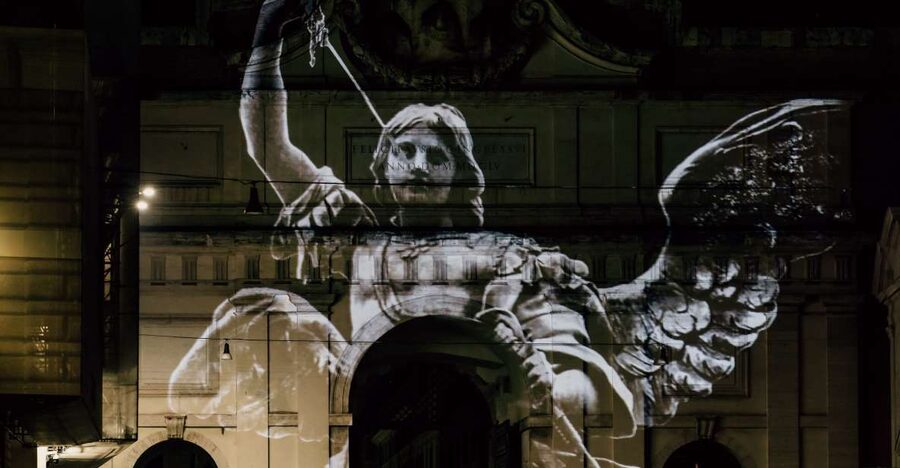
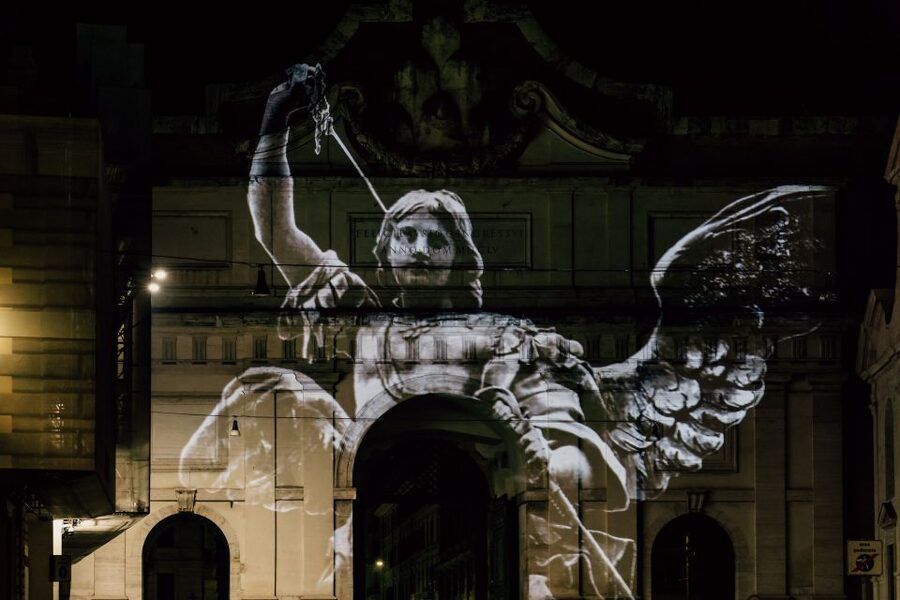
Rome can feel almost too familiar in daylight. You pass Campo de’ Fiori, Ponte Sant’Angelo, and the churches around Via Giulia with a gelato in hand, surrounded by tour groups and restaurant tables. At night, the same streets become quieter and more suggestive.
This tour uses that change in mood well. It does not take you into a haunted house or promise theatrical scares. Instead, it uses Rome itself as the setting. A church facade, a statue, a bridge, or a narrow street becomes the starting point for a story about violence, faith, punishment, or death.
That distinction matters. If you want a serious ghost-hunting experience, this is probably not the right choice. If you like history told through unsettling stories, it is a stronger fit. One of the clearest descriptions of the experience is that it feels more historical than ghostly, but still bone-chilling. That is a fair expectation.
The English-speaking guides give the walk its personality. Yousef is praised for his light humor and friendly style, while Antonio is known for clear English and confident answers. Maham brings enthusiasm and unusual facts, and Domenica is repeatedly described as engaging and charismatic. The guide you get will shape the evening, but the tour seems built around conversation rather than a flat script.
More evening tours in Rome:
- Rome: Paranormal Night Walking Tour & Secret Backstreets
★ 4.9 · 1,921 reviews - Haunted Rome Ghost Night Walking Tour
★ 5.0 · 495 reviews - Ghosts and Crimes of Rome Night Walk
★ 5.0 · 61 reviews
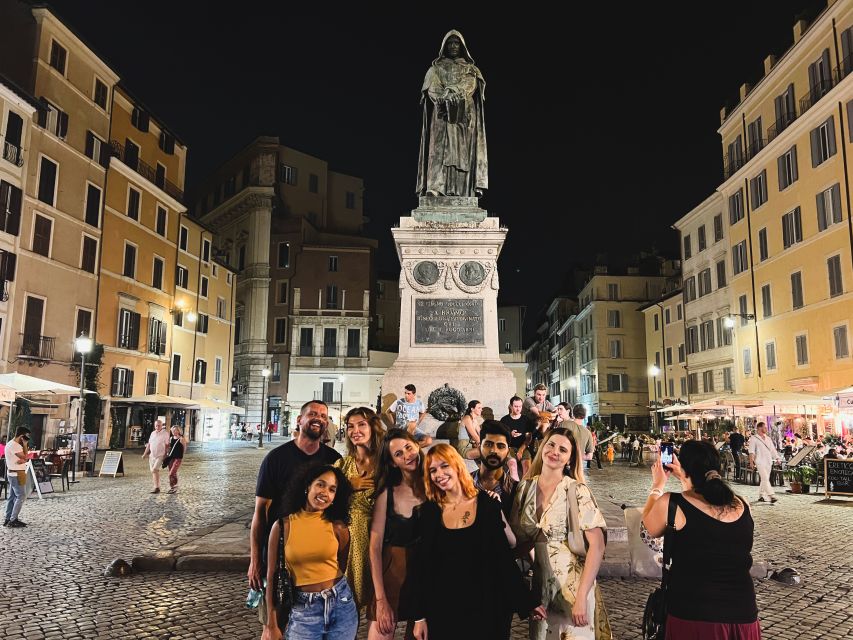
Starting under Giordano Bruno’s statue at Campo de’ Fiori
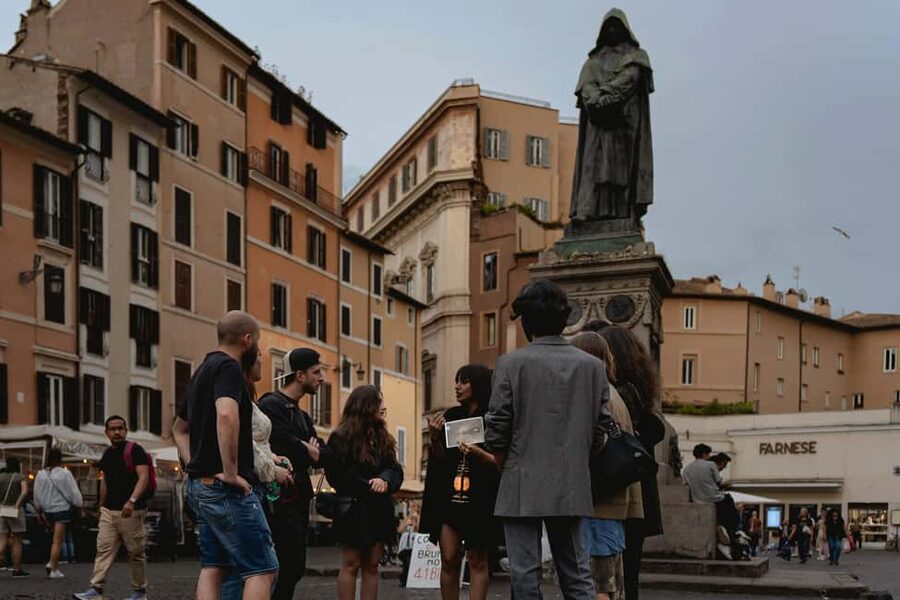
Your meeting point is beneath the statue of Giordano Bruno in Campo de’ Fiori. Look for the guide holding a yellow Carpe Diem Tours flag or sign, and arrive at least 10 minutes early. Late arrivals are not eligible for a refund, so this is not a good activity to schedule immediately after a delayed dinner reservation or a faraway museum visit.
Campo de’ Fiori is a fitting place to begin. By day, it is one of Rome’s best-known public squares. At night, the market stalls are gone, leaving the statue of Bruno to set the tone. Bruno was an Italian philosopher executed in the square in 1600, and his presence gives the opening a serious edge.
The guide starts here with a story rather than a long general lecture about Rome. That keeps the pace moving and gives you a reason to look closely at the square. You may also get a few interactive touches along the way. One guide used a game that asked the group to find small statuettes around the city, which adds a bit of play to the darker material.
Giordano Bruno and the grim side of public squares
The stop at the Statua di Giordano Bruno lasts about 15 minutes. This is not simply a photo stop. The statue opens a discussion about public punishment, religious authority, and how Rome’s central squares once served purposes far more severe than dining and sightseeing.
The story is effective because you are standing in the actual place connected with it. That physical link is one of the tour’s best qualities. Rome has no shortage of ancient ruins, but a modern-looking square can sometimes feel disconnected from its past. Here, the guide makes the setting part of the story.
The material can be unsettling, but the tone is not relentlessly grim. Several guides use humor to keep the walk comfortable for a mixed group. That balance is useful if you are traveling with older children or teenagers who enjoy spooky stories but do not want graphic horror.
Piazza Farnese and the city of power
The walk continues to Piazza Farnese, another elegant square with a less gentle past. The guide connects the architecture and political importance of the area with Rome’s powerful families, church leaders, and artists.
You will spend roughly 15 minutes here, including walking and explanation. This is a good example of how the tour differs from a standard sightseeing walk. You are not being asked to memorize dates or admire a facade in isolation. Instead, the guide uses the square to show how authority, religion, and personal ambition shaped daily life.
The pace is steady. You should expect frequent stops, but not a slow crawl. The route covers several locations in two hours, so the guide needs to keep the group together and move on before each story becomes a full lecture.
More walking tours in Rome:
- Ghosts, Legends & Mysteries of Rome Tip-Based Walking Tour
★ 4.7 · 284 reviews - Ghosts Legends and Mysteries of Rome Walking Tour
★ 5.0 · 149 reviews - Rome: Private Night Ghost Walking Tour
★ 5.0 · 38 reviews - Haunted Rome: Eternal City Night Walking Tour
★ 5.0 · 38 reviews
Small Madonnas and the details you might miss
The stop at Madonna della Pietà, one of Rome’s small Madonna images known as madonnelle, brings the tour down from grand squares to small details. These religious images appear in unexpected corners of the city, and they are easy to overlook when you are focused on major churches and monuments.
This part of the walk is valuable because it trains you to look at Rome differently. The tour is not only about famous ghosts. It also points out small religious markers and local details that you might pass without noticing.
The stop lasts about 15 minutes, and the guide explains its significance in the wider story of Roman belief and fear. Do not expect a major interior visit here. The interest comes from the setting and the story attached to a modest object.
Ponte Sisto and the crossing of the Tiber
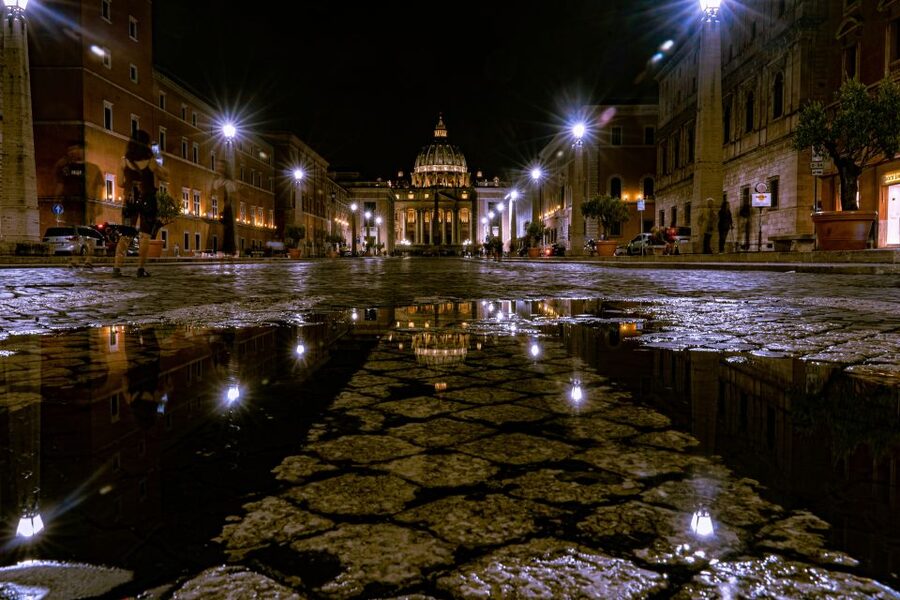
At Ponte Sisto, the tour reaches the Tiber and opens up a broader view of Rome at night. The bridge is attractive after dark, but this walk is interested in more than the view. The guide connects bridges and river crossings with movement, danger, punishment, and the city’s long relationship with death.
The river section also gives your group a chance to walk without stopping at every step. That helps the evening feel like a proper walk rather than a series of unrelated talks.
Bring comfortable shoes. Two hours on Roman paving can be tiring, especially if you have already spent the day walking between the Colosseum, Pantheon, and Vatican. You should also keep your attention on uneven surfaces while listening to the guide.
The Fountain of the Mask and Rome’s eerie street details
The Fountain of the Mask provides another short stop on the route. Its name alone fits the mood, but the real value is the guide’s explanation of how Rome’s fountains, streets, and public decorations can carry stories that are not obvious at first glance.
This is a good place to appreciate the tour’s mix of known sights and small discoveries. You may have seen photos of Rome’s grand fountains, yet the less celebrated features can make the evening feel more personal.
The guide’s delivery matters here. A dry explanation would make a small fountain feel like a minor detour. A lively storyteller can turn it into a scene involving local customs, strange events, or old fears. The comments about Antonio, Maham, Sarah, and Dinara repeatedly point to this ability to keep each stop interesting.
Santa Maria dell’Orazione e Morte and the bone-filled chapel
The Church of Santa Maria dell’Orazione e Morte is likely the most directly macabre stop. Its name translates roughly as Saint Mary of Prayer and Death, and the church is associated with death rituals and human-bone decoration.
This is the moment most likely to satisfy you if you booked the walk for creepy material rather than general Roman history. The guide explains the church’s connection with death and points out details that can be easy to miss from the street.
Keep your expectations measured. The provided experience describes a visit and guided sightseeing, but it does not promise a private or extended interior tour. The attraction is the story and the unusual subject matter, not a long museum-style examination.
Still, this stop gives the route a useful center. The earlier stories prepare you for Rome’s connection with punishment and belief, while this church makes mortality physical and visible. It is the kind of place you may remember after the grander monuments blur together.
Santa Maria in Monserrato degli Spagnoli
The walk then reaches Santa Maria in Monserrato degli Spagnoli. This church adds another layer to the evening by bringing in Rome’s Spanish connections and its religious art.
The guide uses the church as part of the wider dark-history story, involving artists, church figures, and the often complicated relationship between devotion and human behavior. As with the other stops, the value comes from hearing the background while standing nearby rather than reading a short plaque and moving on.
This is also a useful point for anyone who prefers history to pure ghost lore. The tour’s most praised feature is not theatrical fright. It is the way the guide brings lesser-known episodes into familiar streets. You will probably learn more about Rome’s social and religious past than you would on a standard evening stroll.
Castel Sant’Angelo and the final stories
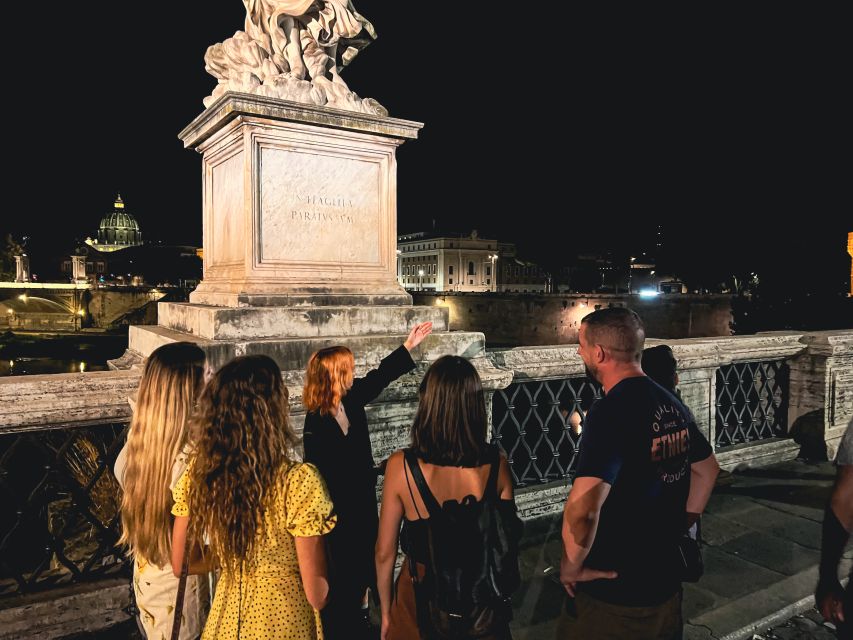
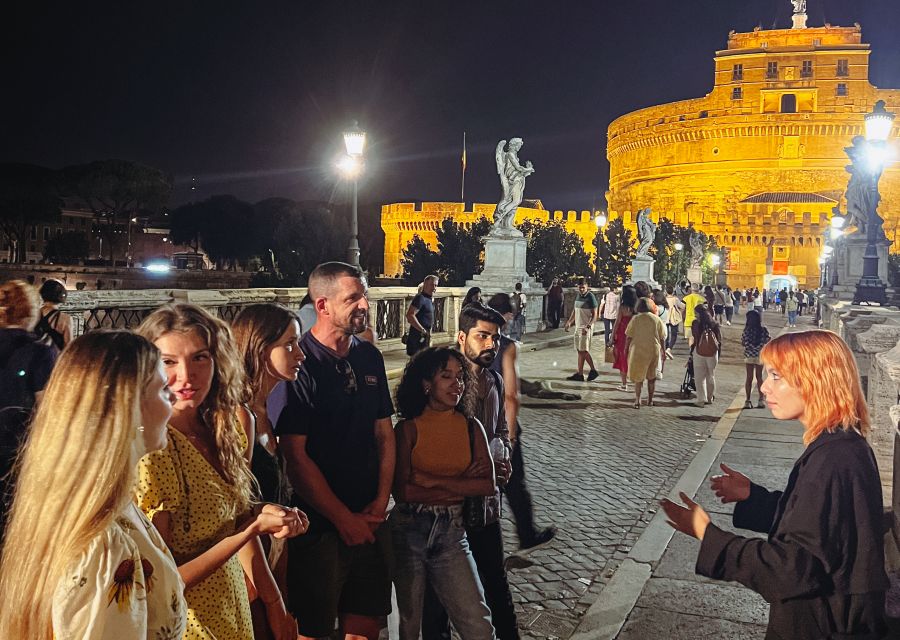
The route finishes at Castel Sant’Angelo, one of Rome’s most striking night views. The building has served different roles over time, and its connection with popes, imprisonment, executions, and death makes it a natural ending for a haunted-city walk.
The final stop carries more weight because the route has gradually moved from Campo de’ Fiori through squares, churches, bridges, and quieter street details. By the time you reach the castle, you have seen Rome as a place of power and spectacle, but also as a city where punishment and fear were part of public life.
The tour ends here rather than returning you to Campo de’ Fiori. That matters when planning your evening. Castel Sant’Angelo is a useful finishing point for continuing toward central Rome, but you should check your own route afterward rather than assuming the guide will lead you back.
What $29 gets you
At $29 per person, the tour is reasonably priced for a two-hour guided walk in central Rome. You are paying for a live English-speaking guide, a planned route, historical storytelling, and access to a set of sights that would be less meaningful without explanation.
The value is strongest if you enjoy guided context. You can walk from Campo de’ Fiori to Castel Sant’Angelo for free, but you will not automatically know which small Madonna, fountain, or church detail connects to Rome’s darker past. The guide turns an ordinary walk into a themed experience.
The cost is also modest compared with ticketed attractions. There is no indication that the tour includes paid museum entry, so do not book it expecting long visits inside major monuments. Think of it as an evening walking experience with sightseeing stops.
A group can include up to 20 people. That is not an intimate private walk, but it is small enough for a good guide to manage if everyone stays close. Private groups are available if you want more control over the pace or a more personal format.
The guide makes or breaks the evening
The strongest part of this experience is the human delivery. Names that appear repeatedly among the guides include Yousef, Yusuf, Antonio, Maham, Mahan, Domenica, Sarah, Sara, Dinara, Simon, and Csenge. Spelling varies in the available information, but the pattern is clear: the company uses several guides, and each brings a slightly different style.
Yousef is associated with humor, friendliness, and interactive storytelling. Antonio receives praise for clear English, detailed answers, and strong presentation. Maham is described as energetic and good at unusual facts, while Domenica is praised for keeping adults and teenagers involved.
You should also expect practical local advice from some guides. One guide offered food suggestions and tips for the rest of the visit, while another helped point out extra places to see. That can make the tour useful beyond its two-hour route.
The language is English. The guide’s voice and group position matter on a night walk, so stay reasonably close and do not drift behind while taking photos. One particularly useful detail is that at least one guide led without radio earphones, which made clear speaking important. Audio equipment is not listed as included, so you should not count on a headset.
Who should book this Rome ghost tour?
I would choose this tour if you have already seen Rome’s headline sights and want a different angle. It works well on a first visit too, especially if you like getting your bearings through stories rather than through a standard monument-by-monument introduction.
It suits:
- Couples looking for an unusual evening activity
- Families with older children or teenagers who enjoy history and spooky tales
- Solo visitors who want a social group walk
- Repeat visitors who have already seen the main monuments
- Anyone who prefers stories about people and events over a formal art lecture
I would think twice if you dislike walking at night, find stories about executions and death upsetting, or want a heavily supernatural experience. The tour has ghostly material, but much of its appeal comes from documented or legendary episodes tied to Roman places.
Wear comfortable shoes and bring a camera. Rome’s illuminated streets and bridges provide plenty of photo opportunities, although you should not let photography pull you away from the guide’s stories.
Booking details worth knowing before you go
The activity lasts two hours, with starting times depending on the date. Arrive 10 minutes before departure at Campo de’ Fiori, under the Giordano Bruno statue, and look for the yellow Carpe Diem Tours sign.
You can cancel up to 24 hours before the start for a full refund. The reserve-now, pay-later option also gives you some flexibility when your Rome plans are still changing.
The tour is listed at 4.9 from 616 ratings, and the most consistent strengths are guide energy, clear English, humor, unusual stories, and the chance to see central Rome after dark. That does not mean every guide will use the same jokes or tell every story in the same order. It does mean the experience has a strong foundation and depends heavily on a good storyteller.
Should you book it?
Book this walk if you want Rome with the polish removed. You will still see beautiful squares, churches, bridges, and Castel Sant’Angelo, but the guide will ask you to notice the city’s harsher memories too.
At $29, it is a sensible choice for a social evening activity, especially if you value an engaging guide more than entry into a major attraction. Just keep your expectations accurate: this is a spooky history walk, not a haunted attraction. For most visitors, that balance is exactly what makes it work.
FAQ
How long is the Rome Haunted City Night Walking Tour?
The tour lasts two hours.
Where does the tour begin?
It begins in Piazza Campo de’ Fiori, beneath the statue of Giordano Bruno.
Where does the tour finish?
The tour finishes at Castel Sant’Angelo.
What language is the tour conducted in?
The live tour guide speaks English.
How large is the group?
The group can include up to 20 people. A private group option is also available.
What sights are included?
The route includes Campo de’ Fiori, the statue of Giordano Bruno, Piazza Farnese, Madonna della Pietà, Ponte Sisto, the Fountain of the Mask, Santa Maria dell’Orazione e Morte, Santa Maria in Monserrato degli Spagnoli, and Castel Sant’Angelo.
What should you bring?
Wear comfortable shoes and bring a camera. Arrive at least 10 minutes early, since late arrivals are not eligible for refunds.
Just added around Rome
- Secrets of Rome – The dark side Small Group Walking Tour★ 5.0 · 20 reviews
- Ghost & Legends in Night Rome Walking Tour★ 5.0 · 36 reviews
- Rome After Dark Mysteries Myths and Haunted History★ 5.0 · 14 reviews
- Rome: Private Night Ghost Walking Tour★ 5.0 · 38 reviews
- Rome Secrets with Dark History and Tasty Bites Tour Experience★ 4.5 · 3 reviews
- Haunted Rome & True Crime: The Cenci Curse Game★ 4.5 · 27 reviews
- Experience Rome in this Mysterious Ghost Tour★ 3.5 · 3 reviews
- Haunted Rome: Eternal City Night Walking Tour★ 5.0 · 38 reviews
Rome Ghost Tours, compared.
Paranormal Night Walking Tour & Secret Backstreets
Read our review →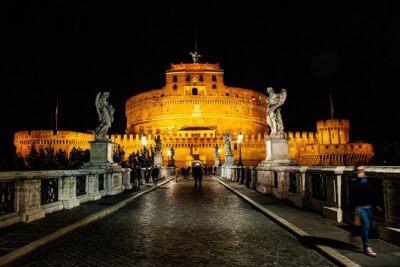

Small Group Rome’s Dark Side – Ghosts & Legends Tour
Read our review →
Ghosts, Legends & Mysteries of Rome Tip-Based Walking Tour
Read our review →
Ghosts Legends and Mysteries of Rome Walking Tour
Read our review →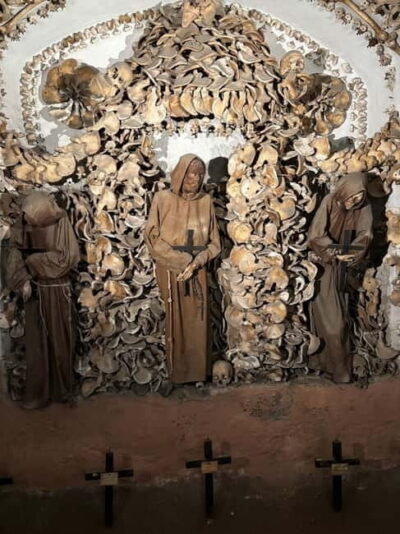
Capuchin Crypts & Ghostly Legends Small-Group Tour
Read our review →Browse the lists this tour appears in